


Did you know some de-icers can damage asphalt, shortening its lifespan? Understanding which de-icer is safe helps protect your pavement and wallet. This guide reveals critical facts you need for effective winter care without unexpected repair costs. Whether you manage a bustling parking lot or simply want to keep your driveway clear, choosing the right de-icer is crucial. Read on to discover how you can protect your asphalt and make smart choices that save money and spare you from expensive repairs—all while keeping your pavement safe during the toughest winter weather.
What You’ll Learn About De-Icer for Asphalt
- Understand the impact of de-icer for asphalt and how to choose safe products
- Compare top ice melt options: rock salt, calcium chloride, and magnesium chloride
- Explore the benefits and considerations of eco-friendly melt options for asphalt surface
- Learn crucial maintenance tips to extend the life of your asphalt pavement
De-Icer for Asphalt: Why Choosing the Right Product Matters
Every winter, property owners face an important question: which de-icer for asphalt is truly safe? Many common ice melt products, like rock salt (sodium chloride), promise instant results—but using the wrong kind can quietly eat away at your driveway or parking lot. Sodium chloride, for instance, is notorious for degrading asphalt surfaces and harming landscaping, not to mention its impact on surrounding vehicles and infrastructure. By understanding the key differences between de-icing options, you can make a smart investment that safeguards your asphalt pavement for years to come, minimizing unexpected repair costs and maximizing your return on pavement service. Let’s break down the facts you need to make the best winter weather choices for your home or business.
Understanding Asphalt Pavement and the Impact of De-Icers
How De-Icers Affect Asphalt Pavement Longevity
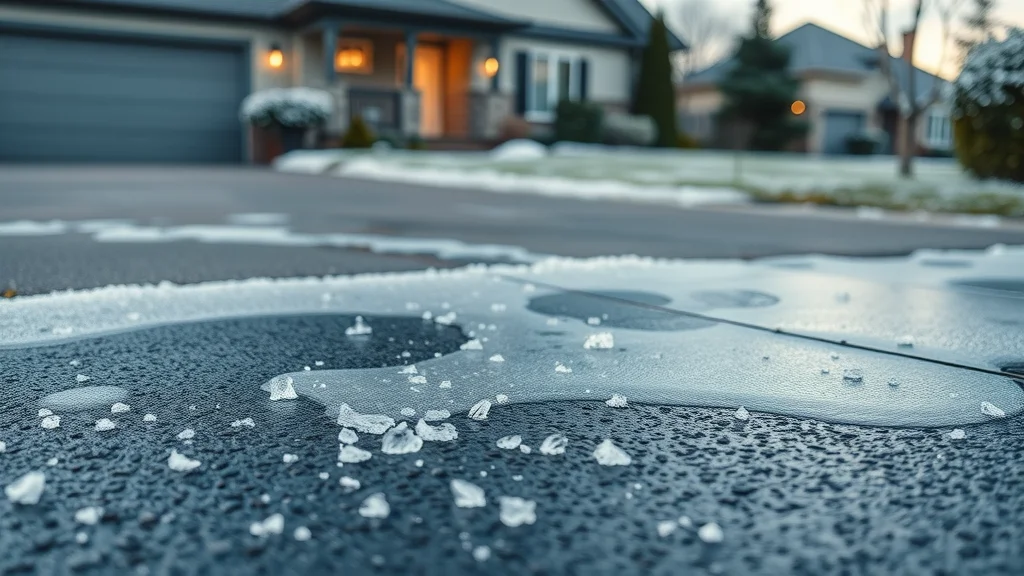
Asphalt surfaces are designed to withstand heavy traffic and harsh outdoor conditions, but winter weather introduces a unique set of challenges. When snow and ice accumulate, prompt removal is essential for safety and accessibility. However, the type of de-icer for asphalt you use can directly impact the health and longevity of your pavement. Harsh chemicals, especially high concentrations of sodium chloride, can seep into tiny cracks or unsealed spots, accelerating freeze-thaw damage and causing the asphalt to deteriorate faster. Over time, repeated cycles of application—especially with corrosive ice melt products—can lead to crumbling or potholes that require costly repairs. That’s why it’s essential to use melt options specifically formulated for asphalt surfaces, ensuring you balance quick ice melt results with long-term pavement protection. Choosing the right de-icer acts as an investment in the lifespan of your driveway or parking lot, reducing both risk and recurring maintenance costs.
When considering the best ways to protect your asphalt during winter, it’s also helpful to think about the broader maintenance needs of your pavement. For example, professional line striping services can enhance both safety and curb appeal, especially after winter weather has taken its toll on your parking lot or driveway.
Concrete and Asphalt: Key Differences in De-Icer Needs
Not all de-icers are equally suited to every surface. For instance, concrete sidewalk and asphalt pavement have very different compositions—concrete is more porous and can suffer from chemical pitting and spalling, especially if improper de-icers are used. Asphalt, on the other hand, is a bit more forgiving but still sensitive to over-application of harsh chemicals like sodium chloride. Concrete and asphalt also react differently to freeze-thaw cycles, making it even more important to select a de-icer that won’t accelerate surface degradation. When comparing ice melt options for both materials, always check for product claims about compatibility. Using a melt option labeled safe for asphalt ensures you protect your investment, whether maintaining a home driveway, parking lot, or walkway.
“Proper de-icer for asphalt selection is essential to preserve pavement integrity and avoid unnecessary repair costs.” – Lenny’s Asphalt Expert
Examining Ice Melt Options: What Works Best for Asphalt Surface?
Rock Salt (Sodium Chloride) as an Ice Melt Option: Pros and Cons
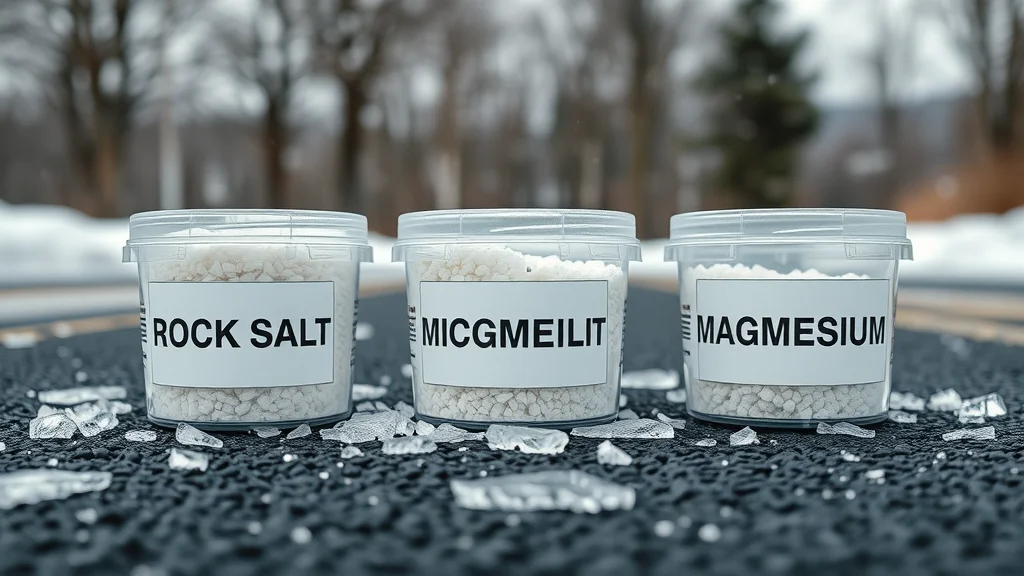
Rock salt, or sodium chloride, is the classic go-to for quick snow and ice melt. With a reliable melting capacity down to about 15–20°F, it’s affordable and widely available. However, sodium chloride’s corrosive properties come with downsides—it can break down asphalt binders, strip sealcoating, and lead to premature pavement damage if used repeatedly or in higher doses than needed. In addition, runoff can cause harm to nearby plants and corrode metal surfaces, such as those on parked cars or outdoor fixtures. When treating an asphalt surface in moderate winter weather, rock salt may offer a cost-effective answer, but its long-term risks must be weighed against short-term benefits. Best Used: Sparingly and only when temperatures stay above 15°F to minimize potential pavement and landscaping damage.
Calcium Chloride: Melt Option for Harsh Winter Weather
Calcium chloride stands out for its ability to rapidly melt through ice—even down to -25°F—making it one of the most powerful options for severe winter months and unpredictable freezes. This ice melt option absorbs moisture from the air, generating heat and accelerating the break-up of ice layers, perfect for heavily trafficked driveways or parking lots where ice build-up is a concern. While slightly pricier than rock salt, it’s less likely to erode asphalt pavement and leaves less residue when applied properly. Take care not to over-apply, as calcium chloride can create slippery spots and a slimy feel if used in excess, but when handled with care, it provides a high-performance, pavement-safe solution for tough winter conditions. Best Used: When deep freezes call for maximum melting power and pavement protection.
Magnesium Chloride: Safe Ice Melt Option for Asphalt and Environment
Magnesium chloride is valued among ice melt products for its effectiveness at temperatures as low as -13°F and its gentler impact on both asphalt and landscaping. It produces minimal residue, works quickly, and is less corrosive than traditional sodium chloride. For property owners concerned about runoff or plant damage, magnesium chloride is a safer option that delivers strong melting performance. This product’s balance of effectiveness and environmental safety explains why it’s often chosen for eco-sensitive zones and residential areas where both surface integrity and greenery matter. Best Used: When you want solid melting capability with minimal risk to asphalt or vegetation around driveways and parking lots.
“Calcium chloride and magnesium chloride are often preferred de-icers for asphalt due to their lower corrosiveness compared to traditional rock salt.”
Eco-Friendly and Alternative De-Icer for Asphalt Options
Organic De-Icers: Performance and Environmental Considerations
With growing attention on environmental responsibility, many property owners seek eco-friendly ice melt options for asphalt surfaces. Organic de-icers—often made from beet juice, corn byproducts, or other natural compounds—are biodegradable and designed to reduce harm to plants, water sources, and soil. While they generally work well in mild winter weather, their melting capacity can decrease in extreme cold. Still, as part of asphalt maintenance, they lower the risk of pavement service needs related to harsh chemicals or runoff pollution. For homeowners who prioritize green landscaping, these eco-friendly alternatives provide peace of mind and a gentler choice for your driveway or parking lot. Always check the product label to ensure it’s safe for asphalt and free from high amounts of sodium chloride or other corrosives.
Comparing Eco Melt Options with Conventional Ice Melts
- Organic and biodegradable melt options for asphalt surface include beet juice blends, corn byproduct-based pellets, and calcium magnesium acetate.
- Advantages: Environmentally safe, lower risk to plants and pets, gentle on pavement. Drawbacks: Slower performance in extreme cold, may require higher dosages, and can cost more upfront compared to conventional products.
Best Practices for Applying De-Icer for Asphalt
Application Tips: How to Get Rid of Ice on Asphalt Driveway or Parking Lot
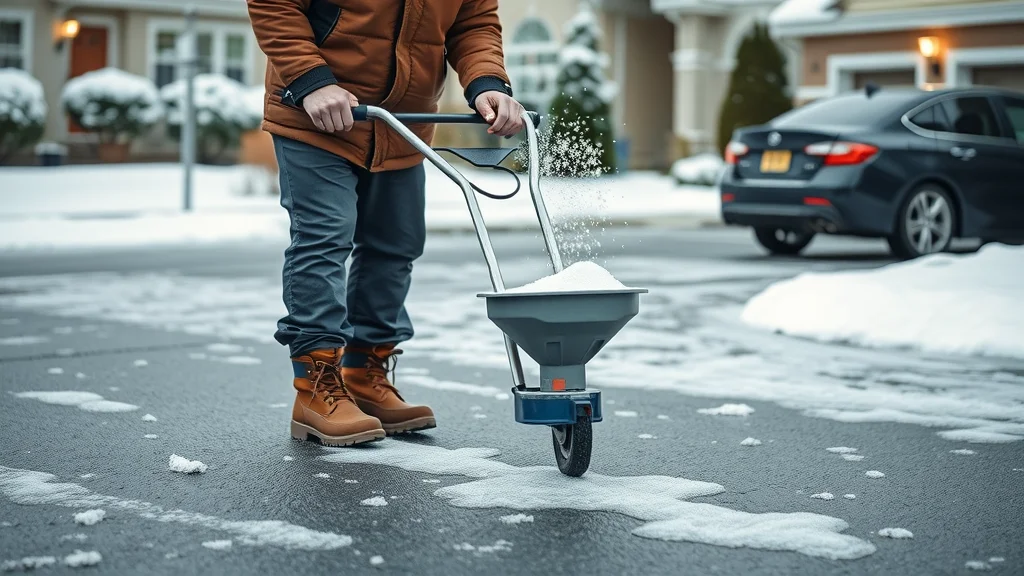
Applying de-icer for asphalt isn’t just about dumping granules and waiting—technique matters for effective results and reduced damage risk. Start by shoveling away fresh snow to expose the underlying ice. Using a broadcast spreader or by hand (with gloves), distribute the chosen ice melt product in an even, moderate layer across the affected area. For thick ice, briefly allow the product to absorb moisture and begin melting, then break up the loosened layer with a shovel or push broom. Avoid over-application; excess de-icer doesn’t speed the process and can cause surface damage or contamination. After melting occurs, clear remaining slush to prevent water seepage into asphalt cracks. Consistent, careful application each winter weather event protects both safety and your surface investment, ensuring your driveway or parking lot stays ice-free and in peak condition.
Maintenance Tips: Preventing Asphalt Damage during Winter Weather
- Step-by-Step: De-Icer Application
- Avoid applying de-icer until snow has been shoveled or plowed from the asphalt surface.
- Use the recommended dosage from the ice melt product label to prevent corrosion or residue build-up.
- After melting, promptly remove all slush and loose ice to reduce water infiltration risks.
- Winter Asphalt Maintenance Checklist
- Inspect asphalt surface regularly for cracks and sealcoat annually.
- Ensure good drainage to prevent snow accumulation and pooling water.
- Store melt products in a dry, secure space to maintain their effectiveness.
Side-by-Side Table: De-Icer Options for Asphalt Comparison
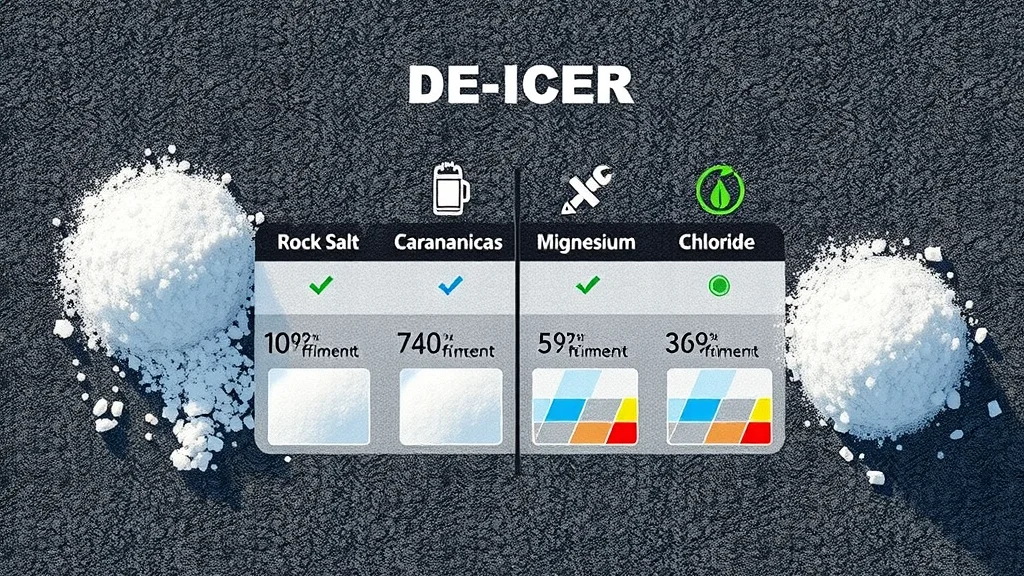
| Product | Effectiveness (Lowest Working Temp) | Average Price | Impact on Asphalt | Environmental Effect |
|---|---|---|---|---|
| Rock Salt (Sodium Chloride) | Down to 15–20°F | Low | Can damage sealcoating and accelerate asphalt wear if overused | High risk to plants, metal, and groundwater |
| Calcium Chloride | Down to -25°F | Medium | Less damaging than rock salt when used correctly | Moderate; safer for plants but use with caution |
| Magnesium Chloride | Down to -13°F | Medium-High | Low risk of asphalt damage | Low risk; preferred for eco-sensitive areas |
| Eco-Friendly/Organic Melt | Down to 10–20°F (varies by product) | High | Gentle on asphalt and sealcoating | Minimal; safe for most vegetation and water sources |
De-Icer for Asphalt: Customer Reviews and Expert Insights
Top-Rated De-Icer Products for Asphalt Pavement
- SafeStep Mag Chloride: Known for quick melting and minimal residue on asphalt parking lot surfaces.
- Green Gobbler Ice Melt: Made from magnesium chloride, eco-friendly, and safe for driveways and pets.
- Peladow Calcium Chloride Pellets: Melts at very low temperatures and works quickly for heavy snow and ice.
- BEET ICE Melt: Organic-based, minimizes runoff impact and works well in light winter weather.
What Customers Are Saying: Ice Melt Results on Asphalt Surface
Customers who have switched to magnesium chloride or calcium chloride products often report fewer issues with driveway cracking, residue, or damaged landscaping. Reviews emphasize the benefits of quick action, safety around pets and plants, and reduced worry about long-term asphalt maintenance. Product satisfaction tends to be highest among users who pair quality melt options with proactive surface care—like regular sealcoating and seasonal inspection. Keeping up with the best practices outlined above makes every winter less of a hassle and more of a routine.
“Since switching to magnesium chloride, my driveway looks great and my landscaping is unharmed.” – Lenny’s Asphalt Customer

Frequently Asked: De-Icer for Asphalt Safety and Application
What deicer is safe for asphalt?
Magnesium chloride and calcium chloride are generally considered the safest de-icer options for asphalt because they are less corrosive and less likely to cause damage than traditional rock salt (sodium chloride). Eco-friendly products may also be effective for mild winter weather.
Does ice melt damage a blacktop?
Certain ice melt products, such as rock salt (sodium chloride), can damage blacktop (asphalt) especially if overapplied or used during warmer winter weather. Choosing the proper de-icer and following recommended application rates help prevent this.
Can you put ice melt on an asphalt driveway?
Yes, you can use ice melt on an asphalt driveway, but it’s critical to select a product formulated for asphalt surfaces and to follow correct application procedures to avoid long-term damage.
How to get rid of ice on asphalt?
To get rid of ice on asphalt, use a de-icer for asphalt such as magnesium chloride, calcium chloride, or an eco-friendly blend. Evenly distribute the chosen product, allow time for melting, and remove any loose ice or slush with a shovel or broom.
Key Takeaways on De-Icer for Asphalt: What Should You Remember?
- De-icer for asphalt selection impacts both pavement durability and safety
- Calcium chloride and magnesium chloride offer good melting power and reduced damage risk
- Eco-friendly melt options suit light winter weather and environmentally sensitive areas
- Proper application and maintenance are crucial for long asphalt lifespan
Conclusion: Protect Your Asphalt Pavement All Winter
Choosing the right de-icer for asphalt not only enhances winter safety but also preserves your pavement investment. For personalized advice, premium products, or professional maintenance, contact the experts at Lenny’s Asphalt. Save money, reduce risk, and keep your pavement performing at its best.
If you’re looking to take your pavement care to the next level, consider the importance of working with a trusted professional for all your asphalt needs. From winter maintenance to large-scale repairs, finding a reliable paving contractor can make all the difference in the longevity and appearance of your surfaces. Discover expert tips and what to look for in a dependable partner by exploring our guide on how to find a reliable paving contractor. Investing in the right expertise today ensures your driveway or parking lot remains safe, attractive, and resilient for years to come.
Contact Our Experts for De-Icer for Asphalt Guidance
Call 610 366 9406 to speak with a knowledgeable Lenny’s Asphalt team member and get tailored recommendations for your asphalt surface or to schedule winter maintenance services.