

Did you know? The average homeowner who relies on regular rock salt during winter months could face double the asphalt repair bill in spring due to hidden cracks and moisture damage. Every handful of salt tossed on a snowy driveway sets off a chemical chain reaction—one few people realize is gradually eroding their biggest outdoor investment.
Understanding the winter battle happening on your driveway starts with looking beyond just shoveling snow and melting ice. There’s an invisible struggle between freeze-thaw cycles, de-icing materials, and your asphalt pavement. This guide gives you the inside scoop from paving professionals on how to protect your asphalt, avoid costly repairs, and keep your driveway—and wallet—intact all winter long.
How winter months affect asphalt
The science behind salt, ice, and thaw cycles
The best salt alternatives for winter asphalt protection
Key steps to protect your asphalt driveway
Signs when you need professional asphalt repair
Services your driveway needs this winter
“Did you know regular rock salt can accelerate tiny cracks in your asphalt driveway, potentially doubling your spring repair bill?”
Every winter, millions of homeowners instinctively reach for rock salt when the first freeze paints their driveways in white. That quick toss of salt promises safer footing, but few realize it also starts an invisible battle within their asphalt driveway. When snow and ice melt, water seeps deep into asphalt pavement—and if temperatures drop again, that water expands as it freezes. This constant freeze–thaw cycle, especially when combined with salt, quietly chips away at the strength of your driveway, opening tiny fissures that can quickly become wide cracks and costly potholes by spring. Even newer asphalt surfaces aren’t immune if left unprotected all winter months.
But here’s the good news: a little knowledge about winter asphalt protection can transform how you approach each storm and safeguard your investment until spring. You’ll learn how salt affects asphalt, what alternatives work best, and how to detect warning signs before minor damage becomes a major repair bill. By following these practical steps and knowing when to call for professional help, you can stay one step ahead of winter’s worst.
At the heart of winter asphalt protection is the freeze–thaw cycle. Each time temperatures dip below freezing, water trapped in small cracks and surface pores expands as it turns to ice, placing stress on the surrounding asphalt pavement. When salt or other ice melts lower the freezing point of water, it doesn’t simply disappear; it seeps deeper into the asphalt, carrying moisture past the protective top layer. As temperatures fluctuate above and below freezing—even within a single day—this process repeats. Over time, the repeated expansion and contraction of water, combined with salt’s chemical alteration of asphalt’s internal bonds, leads to micro-cracking, breakdown of the aggregate, and ultimately bigger cracks and potholes. The result: a driveway looking far older than its years, and spring repairs that can cost hundreds—or thousands—more than pre-season prevention.
Proactive maintenance is crucial, but knowing the early warning signs can make all the difference in preventing major winter damage. If you’re unsure what to look for, check out these key indicators your driveway needs attention before winter truly sets in—addressing them early can help you avoid costly repairs when the snow melts.
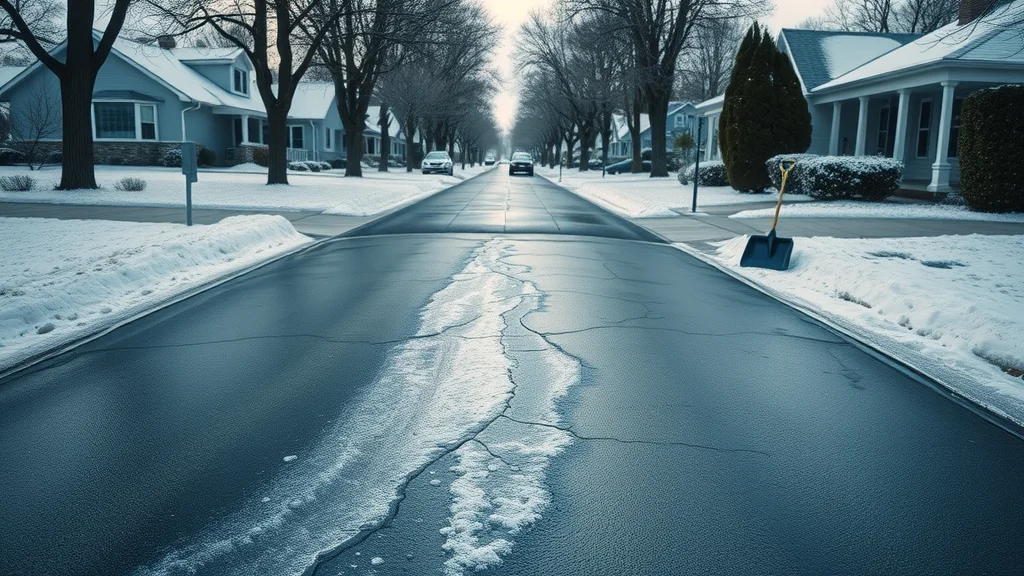
While most homeowners reach for rock salt the moment winter weather hits, few realize what’s happening at the microscopic level on their asphalt surfaces. Salt—specifically sodium chloride—works by lowering the freezing point of water, which helps to quickly melt snow and ice on driveways and sidewalks. However, this rapid melting creates more water on your asphalt driveway just as it’s most vulnerable. The problem isn’t the salt itself, but the constant cycle of moisture freezing and thawing in and below the surface. Water, aided by melted ice, wicks into existing small cracks and pores of the asphalt. When the temperature inevitably dips again, that water expands, turning hairline cracks into visible damage. Add heavy vehicle traffic or snow removal with metal blades, and winter damage amplifies.
Over time, the cumulative effect of rock salt use—especially on driveways that weren’t recently sealed or have existing cracks—leads to premature aging of the asphalt surface. Chemical reactions between salt and certain compounds in the asphalt pavement can degrade its binder, reducing flexibility and causing surface scaling, flaking, and faded appearance much earlier than expected. This is why understanding salt’s true effect is so important for effective winter asphalt protection and preventing unexpected repair bills when spring arrives.
The most destructive force to any asphalt driveway in winter weather isn’t just the snow or even the salt—it’s the freeze–thaw cycle. During the day, sunlight and salt can melt accumulated snow and ice. This melted water seeps into the asphalt’s porous surface and fills even the smallest cracks. As soon as nighttime temperatures drop below freezing, the water expands as it turns to ice, exerting pressure from inside the pavement. Repeated day-to-night and week-to-week freeze–thaw cycles overstress the material, leading to surface breaks, cracks and potholes, and even deeper structural issues if water reaches the base layers. Salt’s effectiveness in melting snow and ice is a double-edged sword: while it prevents surface ice, it also speeds this damaging cycle, particularly on older or vulnerable asphalt surfaces.
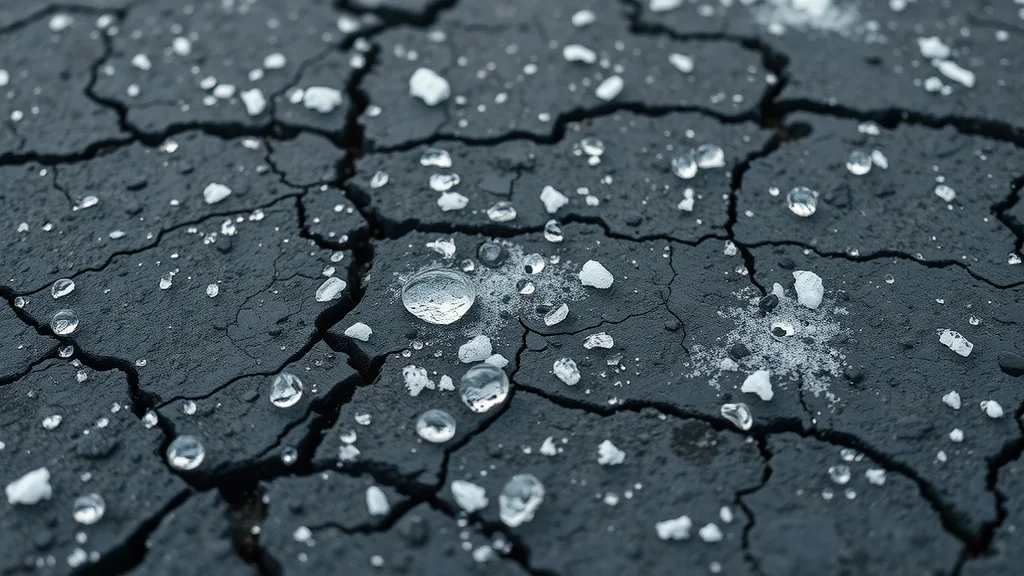
The early stages of winter asphalt deterioration can go unnoticed. Micro-cracking often starts invisibly, as repeated freeze-thaw cycles and salt exposure widen the molecular bonds in asphalt pavement. Over the course of just one winter, these micro-cracks collect moisture day after day. When freezing temperatures return, the result is tiny expansions that eventually connect, turning into longer, more open cracks. Throw in a heavy vehicle or two, and these cracks spread under pressure. If neglected, a network of small cracks turns into patches of weakened, flaking material or even potholes by spring. Regular de-icing with traditional rock salt only accelerates this process, meaning that driveway repairs become yearly instead of once per decade.
“Salt doesn’t instantly destroy asphalt pavement—but over time, repeated use without protection leads to more cracks and costly repairs.”
Ask any homeowner or paving pro—the recurring theme with winter asphalt protection is that prevention is far less expensive than repair. As salt and water do their work over winter months, here’s what can happen on your driveway or commercial parking lot if left unchecked:
Expansion cracks in asphalt driveways
Potholes forming by early spring
Surface flaking and scaling
Premature faded appearance of the pavement
Drainage problems after winter months
|
Type of Winter Damage |
Cause |
Early Signs |
Long-Term Result |
|---|---|---|---|
|
Expansion Cracks |
Thaw Cycle, Salt Penetration |
Visible hairline breaks |
Deep cracks, water intrusion |
|
Potholes |
Freeze/Thaw, Moisture |
Sunken spots |
Major potholes, tripping hazard |
|
Surface Scaling |
Chemical Action |
Gray/white flakes |
Rough, weakened surface |
Early intervention is your best insurance: sealing small cracks and managing salt use now prevents moisture and cold temperatures from causing severe winter damage. Most driveways develop these symptoms slowly, but once potholes appear or surface scaling starts, only professional asphalt repair can fully restore your investment.
Fortunately, winter asphalt protection isn’t an all-or-nothing game. Today, several de-icing and traction options offer better results and far less damage than traditional rock salt—especially for homeowners looking to protect their asphalt driveway or commercial parking lot throughout the winter months. Let’s break down the most effective alternatives, rated for both performance and safety.
CMA is rapidly becoming the gold standard for winter asphalt protection. It works differently from rock salt: instead of chemically attacking the asphalt binder, it neutralizes ice’s ability to bond to the driveway’s surface. While more expensive than sodium chloride, it causes minimal corrosion or scaling—perfect for protecting newer driveways or recently sealed asphalt. CMA remains effective in colder temperatures than standard salt, and is far less likely to damage surrounding landscaping. For homeowners serious about protecting their investment, CMA is a smart, long-term choice, whether for a large parking lot or residential asphalt driveway.

For driveways and walkways that don’t require the fastest melt, sand and grit are excellent winter asphalt protection solutions. Unlike chemical de-icers, these materials do not induce freeze-thaw cycles or harm the asphalt surface. They simply provide traction, making it safer to walk or drive when snow and ice persist. As a bonus, both sand and grit are environmentally friendly and won’t corrode vehicles or concrete edging. Beet juice blends are a recent, popular entry: derived from sugar beet processing, these natural blends lower the freezing point of water without attacking the structure of the asphalt. They’re especially effective down to much colder temperatures, and can be combined with regular salt for improved performance and reduced surface damage.
Rock salt remains the default de-icer for millions across America’s snow belt, primarily because it’s widely available and cheap. However, when it comes to winter asphalt protection, sodium chloride is a last resort. Rock salt is only effective until about 15°F—below that, it stops working, but often leaves behind granules that attract moisture and accelerate freeze-thaw damage. For older, damaged, or unsealed driveways, repeated salt use nearly guarantees more cracks and potholes next spring. If you must use rock salt, always sweep off excess after the ice melts and avoid over-application on a vulnerable asphalt surface.
“For asphalt driveway owners, the safest bet is to use CMA or beet juice de-icers—they protect your asphalt and still keep your family safe from slips.”
Practical winter asphalt protection comes down to a few disciplined habits. Whether you’re a homeowner with one driveway or manage a commercial parking lot, these steps will help keep snow and ice from causing bigger issues and prolong the life of your investment:
Keep water out of all small cracks before applying salt
Don’t over-apply salt—a little goes a long way
Use only plastic or rubber edge shovels and scrapers
Improve drainage along edges of the asphalt driveway
Sweep off leftover salt once ice is gone
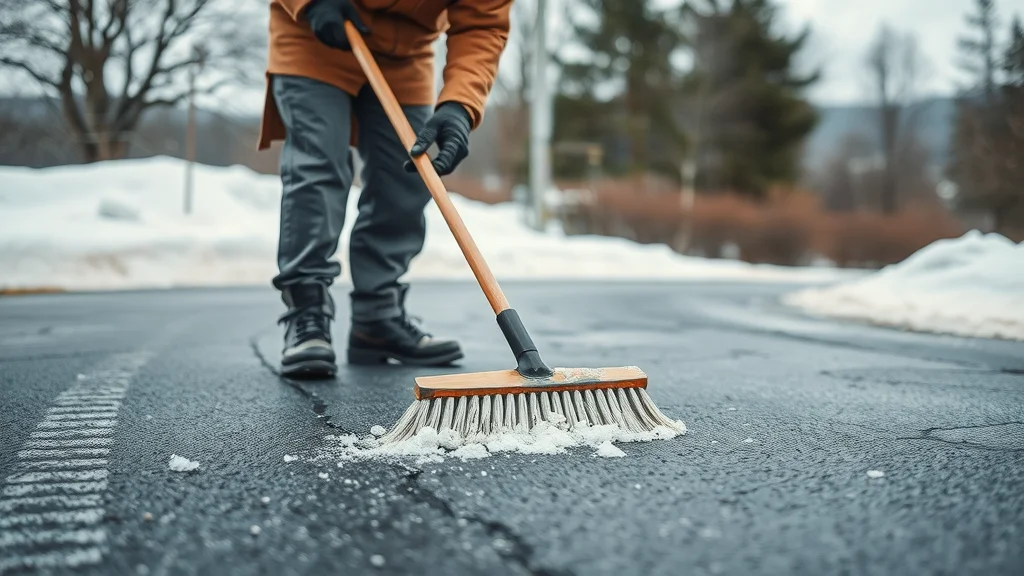
Consistently following this checklist gives you a major advantage heading into the tougher late-winter months. Each habit is designed to prevent moisture from invading the cracks and keeping heavy vehicle pressure from driving damage deeper. Professional paving contractors recommend scheduling a free estimate or winter inspection if you notice persistent pooling water, visible cracks after freeze-thaw events, or new potholes forming after any snow and ice cycle.
Cracking spreading in cold weather
Sudden pothole formation after a snow and ice event
Drainage issues causing water pooling
Previous winter salt damage visible
“Temporary fixes in winter can prevent spring disasters—don’t wait until a crack becomes a pothole to act!”
Some winter repairs—like crack filling or cold patch fixes—are temporary by necessity. They act as stopgaps, keeping water and salt out until full repairs can be completed in the spring. If your asphalt driveway (or commercial parking lot) is showing large or suddenly worsening cracks, pooling water, or salt-related surface damage, it’s time to call a professional. Fast action means lower repair costs and less risk to your property and family safety during winter weather.
Cold patch and crack repair
Infrared asphalt repair (weather permitting)
Emergency safety fixes for commercial parking lot or residential driveways
Drainage improvements and snow/ice management
Pre-booking for spring asphalt pavement projects
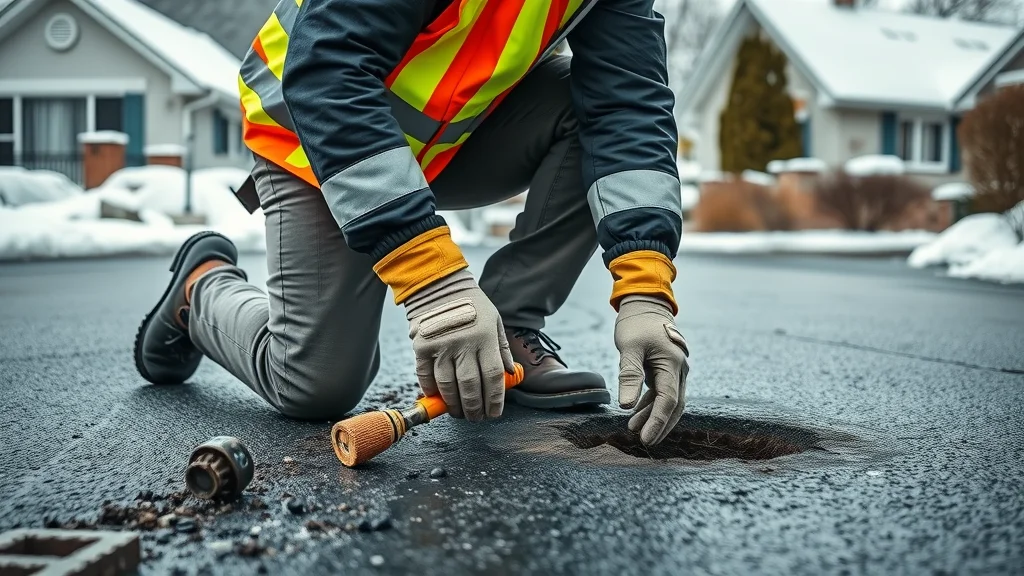
Winter doesn’t mean you’re powerless to protect your asphalt. Today’s paving companies offer rapid-response services like cold patch pothole and crack repair, specialized snow removal, and even certain drainage fixes that keep your driveway or commercial parking lot usable and safe. If weather permits, infrared patching or emergency safety fixes can add months of lifespan to vulnerable areas. Most importantly, booking an early spring assessment now ensures you’re first in line for permanent repairs—and the damage hasn’t spread further by the time warm weather returns.
Salt speeds up damage but is manageable with the right methods
Fix cracks early for best winter asphalt protection
Use safe de-icing alternatives to protect your asphalt driveway
When in doubt, consult a professional for complex or worsening issues
How often should I check my asphalt driveway for cracks in winter?
Inspect at least once after major freezes and before each snowstorm for early signs of small cracks or new damage.
Is sand or grit safe for all types of asphalt pavement?
Yes, sand and grit are safe on both asphalt and concrete surfaces, providing traction without causing chemical breakdown.
Should I re-apply sealcoat after winter months?
If your driveway shows signs of fading, cracking, or surface wear after winter, a fresh sealcoat in spring is recommended to protect your investment.
How long do cold patch repairs last during winter weather?
Cold patch repairs are a short-term fix, usually lasting through the season; professional repairs should be scheduled in spring for a permanent solution.
Proactive winter asphalt protection prevents bigger, costlier repairs in spring. Act early to safeguard your driveway!
If you’re looking to get ahead of winter’s harshest effects, timing your repairs and maintenance can make all the difference. Discover why fall is considered the secret window for asphalt repairs and how a little preparation before the first freeze can save you from major headaches later. For a deeper dive into strategic seasonal planning, explore our expert guide on why fall is the best time to prepare your driveway for winter. Taking action now means a smoother, safer surface and peace of mind all season long.
Get your free winter driveway inspection or emergency repairs scheduled today to protect your investment. We’re your neighborhood experts in asphalt repair and winter asphalt protection—contact us today to schedule service or book your spot for our busy spring calendar!