

It’s surprising, but the average Pennsylvania winter can shorten the lifespan of your winter asphalt care efforts by as much as 30%. While snow blankets your driveway, hidden threats—cracks, potholes, and surface erosion—are actively undermining your property’s value. Understanding these early warning signs is the key to stopping costly asphalt repairs before they spiral out of control.
How to identify key winter asphalt care issues
Why winter asphalt maintenance is critical for driveways and parking lots
Steps to spot cracks, potholes, and surface damage early
When to plan repairs or replacement for your asphalt driveway or pavement
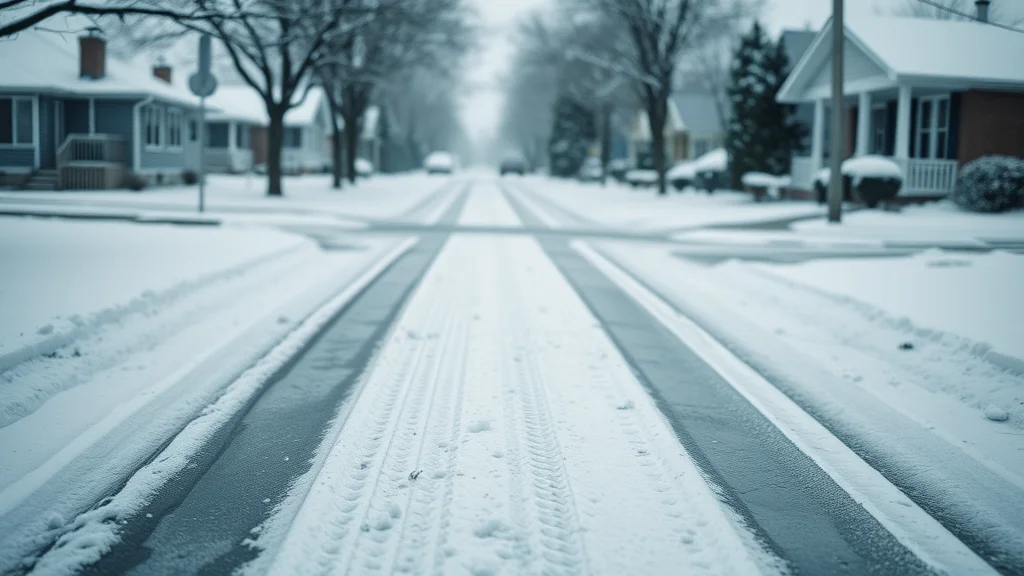
“Did you know the average Pennsylvania winter can shorten the lifespan of asphalt surfaces by up to 30%?”
Pennsylvania’s harsh winter weather poses some of the most significant challenges for asphalt driveways and parking lots. When freezing temperatures combine with heavy precipitation, the freeze–thaw cycle takes a serious toll on any asphalt surface. Property owners often overlook the cumulative impact of winter months on their driveways and asphalt pavement, but microscopic cracks widen and surface integrity can quickly deteriorate. The threat isn’t just the obvious pothole or crack—it’s also the unseen damage occurring below the surface, often worsened by rock salt, deicing chemicals, and improper snow removal.
Unpredictable winter weather can multiply winter damage overnight. Heavy rain followed by a deep freeze can infiltrate even the smallest flaws in the asphalt, while melting snow brings water that seeps deep into the pavement. Over time, this leads to serious issues such as large cracks, missing chunks, and even sinking pavement in parking lots and driveways. Addressing the complexities of winter asphalt care early is the best way to protect your asphalt investment and extend the life of your surface by years, if not decades.
While winter weather is a major culprit, it’s important to remember that seasonal debris like fallen leaves and branches can also accelerate surface deterioration if not managed properly. For a closer look at how yard cleanup impacts your asphalt and practical steps to prevent additional damage, explore how tree leaves, branches, and yard maintenance affect your asphalt.
Winter asphalt care goes beyond aesthetics—it’s about safeguarding your property’s structure and safety. Snow, ice, and freezing temperatures all target the vulnerable spots in your driveway or parking lot. Without vigilant asphalt maintenance, property owners risk facing extensive repairs or full replacement come spring. By learning to spot the early warning signs of wear, you ensure that damage from freeze–thaw cycles or the use of rock salt doesn’t spiral into bigger problems. In regions like Pennsylvania, where winters are not just cold but harsh and changeable, proactive care is critical for anyone responsible for asphalt paving.
Regular inspection and maintenance throughout the winter months helps you catch minor issues—like a small crack or an isolated pothole—before they become major liabilities. Quick action minimizes expensive replacements, preserves curb appeal, and keeps parking lots and driveways safe. Ultimately, effective winter asphalt care can significantly reduce your long-term property management costs and prevent unnecessary disruptions, so you can feel confident about your investment year-round.
Freeze–thaw cycles
Moisture intrusion
Snow and ice accumulation
Salt and deicing chemicals
Every winter brings a unique combination of challenges for asphalt surfaces. Freeze–thaw cycles, where water seeps into small cracks and expands as it freezes, are notorious for causing widespread damage. Moisture from snow and ice, combined with heavy rain during milder spells, accelerates this process. Salt and deicing chemicals, while essential for safety during snow removal, can erode the asphalt’s binder, making it more vulnerable to cracking and pothole formation.
Parking lots and driveways are especially susceptible, as each thaw cycle exposes asphalt surfaces to further stress and water infiltration. Even the materials used for snow removal—like metal shovels—can cause physical damage if not used carefully. Monitoring these risk factors and adapting your asphalt maintenance strategies as temperatures fluctuate are fundamental steps to protect your asphalt and avoid escalating property damage.
Factor | Potential Damage | Preventive Winter Asphalt Care |
|---|---|---|
Snow and Ice | Surface cracking | Regular removal; correct tools |
Temperature Swings | Pothole formation | Prompt crack sealing |
Salt Usage | Surface erosion | Moderate and clean up |
The longevity of your asphalt driveway or parking lot is determined not only by the quality of the original installation, but by your approach to winter asphalt care. Repeated freeze and thaw cycles can cause hard-to-repair structural cracks, while accumulated snow and ice accelerate surface wear. The wrong maintenance steps—such as using harsh chemicals or failing to promptly remove slush and water—worsen the situation, increasing the likelihood of cracks, potholes, and surface erosion.
Maintaining a regular schedule of snow removal (avoiding metal shovels), monitoring for new damage, and cleaning up salt residue can significantly reduce the long-term risks to your asphalt surfaces. Using less corrosive deicers, like calcium magnesium acetate, is another step property owners can take to ensure maximum protection. Without these preventive measures, winter months can turn a well-maintained pavement into a patchwork of costly repairs by spring.
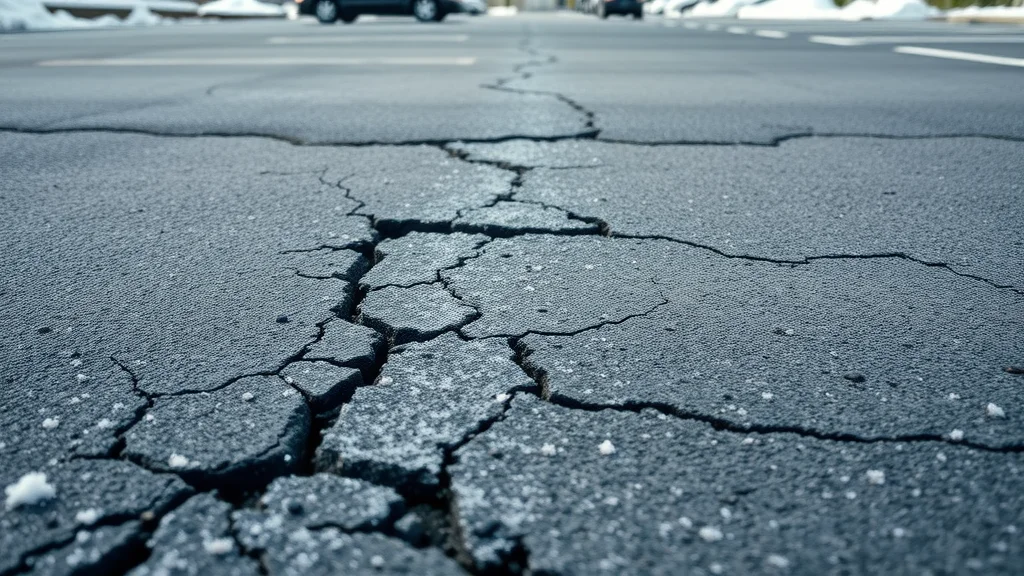
Few things are as telling as cracks suddenly widening right after a freeze. These are not just surface flaws; they are signs of deeper damage within your asphalt pavement. Catching them early is more than aesthetics—it can cut future repair costs in half. After snow and ice events, always take a close look at high-traffic areas. If small cracks have noticeably grown or multiplied, it’s time to act fast before water and ice cause more severe breakdown or dangerous potholes.
Proactive winter asphalt care means marking these new cracks for immediate attention and planning appropriate patching. Freezing temperatures, combined with heavy rain or melting ice, create the perfect environment for micro-cracks to grow into expensive liabilities. Property owners who schedule quick repairs or use appropriate cold mix asphalt products in winter can prevent wide-scale deterioration and avoid the nightmare of full surface replacement.
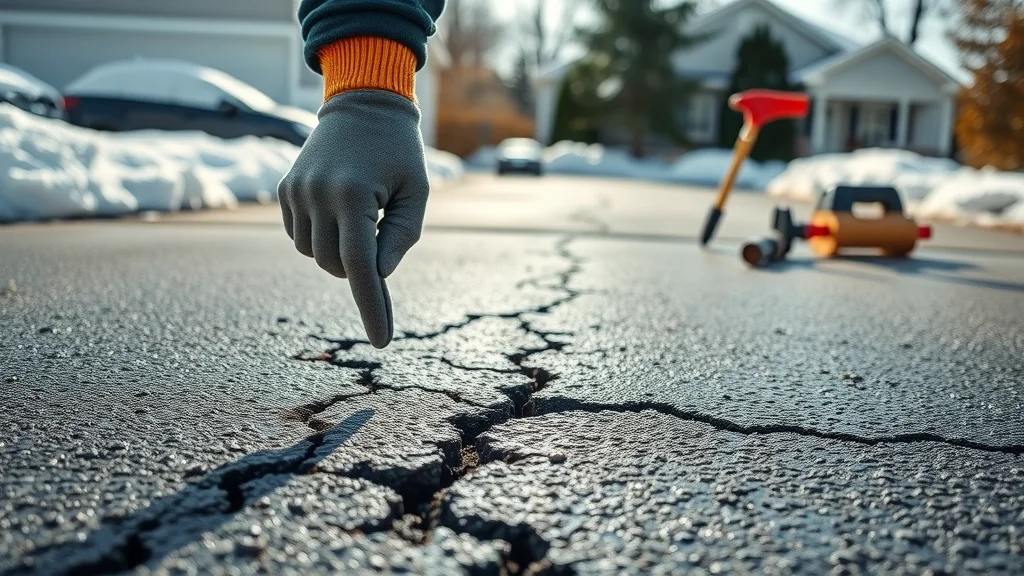
It’s easy to ignore a small crack on your asphalt driveway or in your parking lot, but during the winter, these minor blemishes can rapidly escalate. As freezing temperatures return, any water trapped inside a small crack expands, turning a superficial blemish into a wide, deep fracture. The more a surface thaws and refreezes, the more likely these cracks are to multiply and connect—a phenomenon especially common in Pennsylvania’s harsh winter climate.
Once these cracks join together, they create pathways for even more moisture and debris, undermining the integrity of the entire asphalt pavement. Heavy rain, common during warmer winter spells, can wash away tiny bits of asphalt, further enlarging cracks and leading to the premature appearance of potholes and surface erosion. If left untreated, an easily repairable small crack could result in a need for full surface replacement, so close monitoring and prompt repair are essential elements of effective winter asphalt care.
Spotting a small crack after snow and ice events
Best practices for winter asphalt repair
Tools and materials for crack repair
Start your inspections after every significant snow or ice event. Walk your driveway or parking lot, paying attention to any small cracks or surface rough patches that seem to have changed size or character. Early detection allows property owners to implement quick fixes—like using a cold asphalt patch—to arrest the progression of damage. The use of a plastic shovel instead of a metal shovel for snow removal can also prevent accidental gouges that later transform into wide cracks.
Apply crack filler or cold mix immediately when needed, following manufacturer instructions. For property owners with larger properties, maintaining a simple asphalt repair kit with a tamper, brush, and cold mix asphalt can make a substantial difference through the winter months. The best practice, however, is to call in professional asphalt maintenance teams for complex or persistent cracks, ensuring repairs last until spring. Remember, “Early detection and repair of cracks can double the lifespan of your asphalt surface.” Regular attention is your most cost-effective strategy.
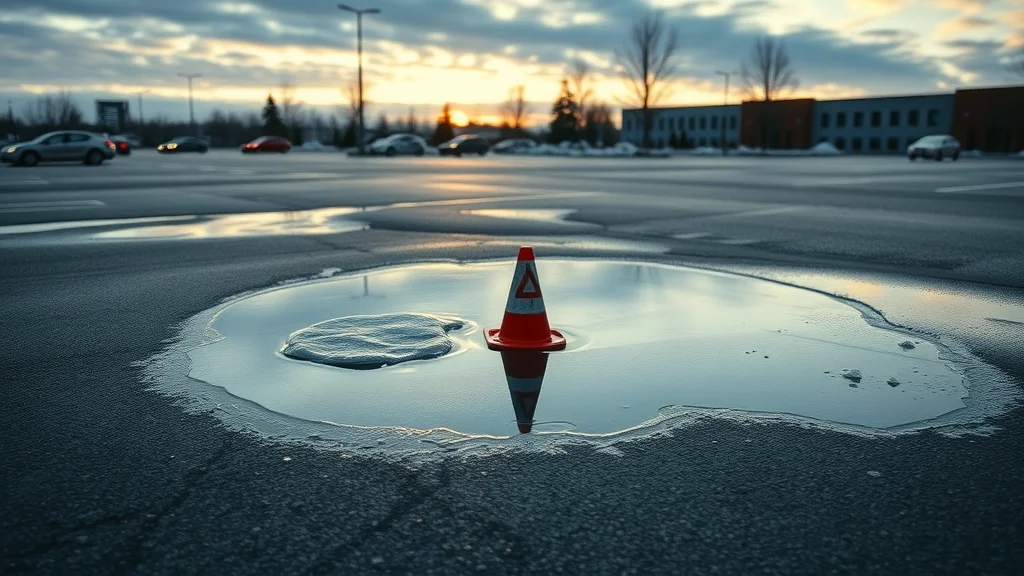
Potholes are the classic result of poor winter asphalt care—sometimes appearing overnight after a deep freeze or unexpected thaw. When water penetrates beneath the asphalt surface and freezes, it exerts upward pressure, creating a weak spot that quickly collapses under car or foot traffic. This sudden failure can turn an ordinary driveway or parking lot into a hazardous obstacle course, threatening vehicle tires, pedestrian safety, and your property’s reputation.
In the winter months, heavy rain followed by freezing temperatures is a particularly damaging combination. Even a small gap in preventative maintenance enables moisture intrusion, making potholes inevitable as the weather fluctuates. Prompt repair—using the right materials and marking hazards until help arrives—can limit further damage and prevent injuries or vehicle damage. For maximum protection against winter surprises, schedule regular inspections and act at the first sign of surface deformation or soft spots.
Potholes form when moisture infiltrates existing cracks or seams in asphalt pavement, then freezes and expands, breaking apart the pavement above. The repeated stress of vehicles passing over compromised areas worsens the breakdown. This process is especially aggressive in parking lots and busy driveways, where freeze–thaw cycles and constant traffic wear down already-stressed asphalt surfaces. The use of rock salt or harsh chemicals can accelerate the breakdown of the binder holding the asphalt together, making pothole formation more likely as the winter months progress.
Crucially, the combination of snow, ice, and heavy rain creates an environment where mistakes in asphalt maintenance are quickly punished. Even the smallest overlooked crack or soft spot can balloon into a full pothole within days. It only takes one cold snap following an unexpected warm spell for these hazards to surface—so proactive monitoring and repair are vital throughout the season if you want to protect your asphalt.
Importance of regular asphalt maintenance
Immediate action for pothole repair during winter
How to safely mark or fill potholes until professional help arrives
Potholes pose a serious risk not just to your property, but to anyone who uses your parking lot or driveway. Unattended, these hazards can cause tire damage, injuries, and even vehicle mishaps—especially when obscured by snow and ice. Property owners can protect themselves and their investments by implementing a reliable schedule for asphalt repair, especially immediately after snow or rain events.
Best practice is to mark any new potholes with cones or caution tape as soon as they’re identified. Temporary repairs, such as filling the holes with cold mix asphalt or similar products, can stabilize the area until a professional repair is scheduled. This quick action not only safeguards drivers and pedestrians but also maintains property value and prevents insurance or liability claims stemming from preventable accidents. Don’t underestimate the compounding effects of winter asphalt damage—early intervention is crucial for both safety and budget.
Visual Guide: Identifying and Marking Potholes for Winter Asphalt Care
Delaying repairs during the winter creates a domino effect—tiny issues quickly snowball into structural failures. The harsh winter accelerates this process, as each freeze–thaw cycle opens cracks wider and drives more water below the surface. Every week of procrastination increases repair complexity, so prompt attention to even minor flaws can prevent a full driveway or parking lot overhaul after the thaw.
Seasonal asphalt maintenance isn’t just about responding to problems but catching them early. Prioritizing small patch jobs, cleaning up salt residue, and blocking water intrusion now can save thousands come spring. If you notice cracks, recurring potholes, or surface sinking, call the professionals or use a DIY asphalt patch immediately—these small acts preserve your investment and keep your asphalt surfaces looking sharp throughout winter.
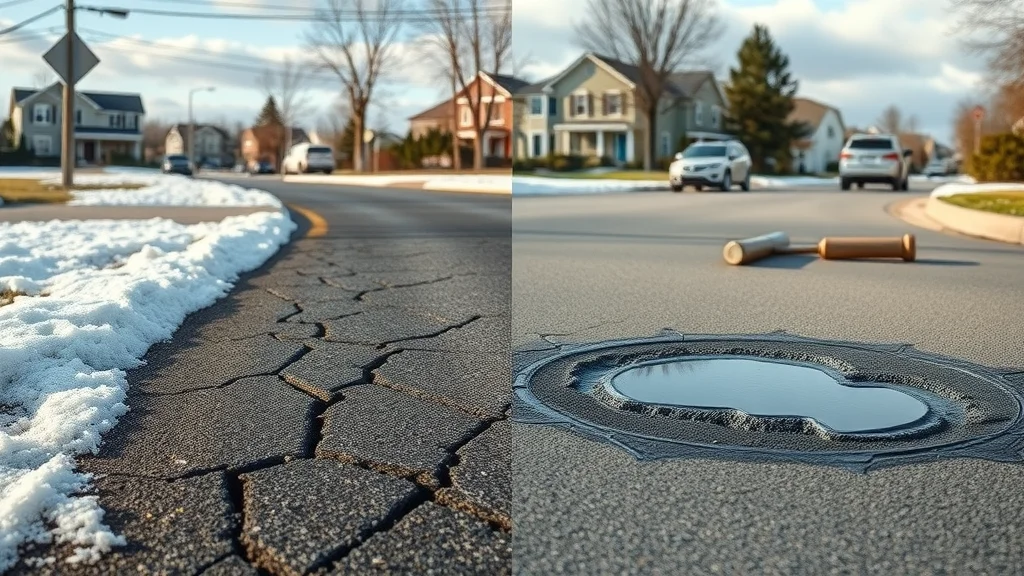
It’s easy to delay an asphalt repair in the cold. Yet, for every freeze–thaw cycle you wait, that small crack or dent becomes harder to fix. Heavy rain or melting snow rapidly fills these voids, and as the cycle repeats, a tiny issue can develop into widespread, compounded damage. When spring arrives, neglected winter repairs often require a complete surface replacement—costing much more than a simple patch job.
Timely intervention with winter-friendly materials, like cold mix asphalt and additive-enhanced patch compounds, can keep a minor blemish from turning into a network of cracks and potholes. The bottom line: maximum protection is achieved by dealing with problems as soon as they appear. In addition to saving money, this also ensures your parking lot or driveway remains safe and attractive well into the next season.
Recognizing early warning signs
DIY versus professional asphalt repair
Using winter asphalt additives and cold mix for temporary fixes
The first step toward effective winter asphalt care is developing a routine for detection. Walk your asphalt driveway or parking lot regularly, especially after storms, looking for telltale signs: spreading cracks, deepening potholes, and changing surface texture. For DIYers, keep a supply of cold patch asphalt and winter additives handy. These allow you to temporarily seal cracks or fill potholes even in freezing temperatures, thanks to specialized compounds that remain workable in the cold.
However, not every problem is suitable for DIY repair. Extensive or deep cracks, sinking surfaces, or chronic drainage issues are best left to professional asphalt paving teams. Experts can ensure the correct compounds are used and surface grading is restored. Together, prompt attention and professional guidance will help you extend the life of your asphalt surfaces through the toughest winter months. Always weigh the cost savings of DIY against the long-term risks—sometimes a professional approach is the most cost-effective solution.
Not every asphalt surface can be saved through basic winter maintenance. In some cases, the winter reveals underlying problems—like widespread alligator cracking, persistent standing water, or sinking pavement—that can only be solved with full spring replacement. Monitoring these issues closely during the winter helps you plan ahead and secure your spot on the contractor’s calendar before the busy season.
Early identification of irreversible damage can save property owners from ongoing patchwork that never fully solves the problem. When chronic winter weather issues persist, consider replacement to restore both safety and curb appeal. Preparing now ensures your new asphalt driveway or parking lot will be ready before next winter’s harsh conditions return.
Replacement is warranted when repairs can’t keep up with escalating damage. Key indicators include areas that never fully dry, repeated surface sinking, or large cracks that join together across your asphalt surface. If you frequently see the same potholes reappear after repairs or notice significant alligator cracking, it’s likely time to plan for spring replacement. Begin evaluating as soon as winter weather clears, before contractors become fully booked with other properties in need of help.
Even the best winter asphalt care has its limits if damage is too severe or system-wide. In these cases, professional assessment and a clear plan for replacement are the only way to ensure a safe, functional surface for years to come.
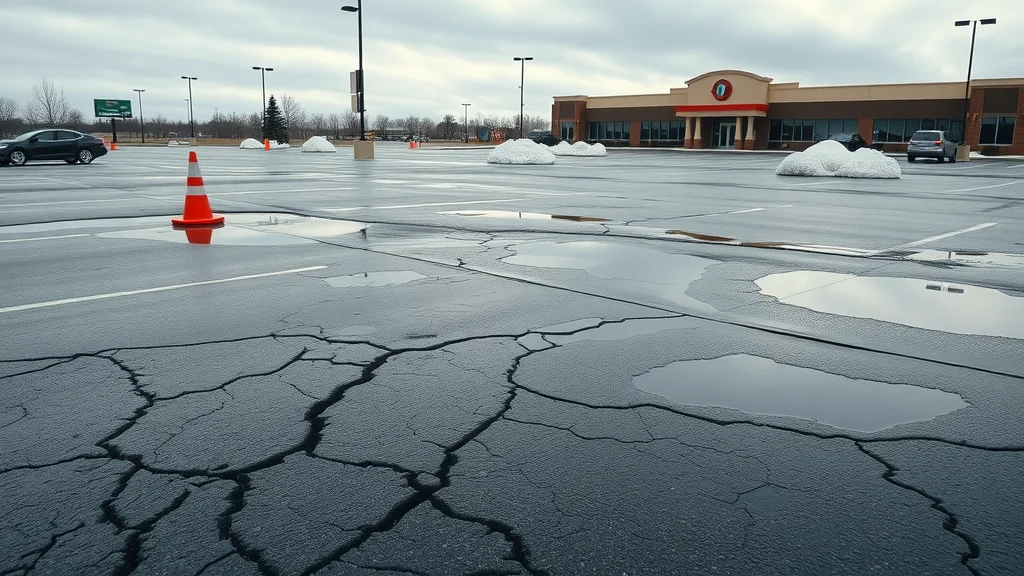
Large areas of alligator cracking
Persistent standing water
Recurring potholes despite repair
Major red flags that call for spring replacement include extensive surface crumbling (alligator cracking), unresolved drainage issues with frequent pooling, and sections of pavement that have noticeably sunk or warped. If these symptoms persist throughout the winter, minor repairs are unlikely to hold. Chronic issues suggest substantial underlying deterioration, possibly due to poor sub-base or repeated damage from the freeze–thaw cycle. Prioritize professional evaluation and budgeting for a new asphalt surface as soon as practical.
Spring Planning: Scheduling Your Asphalt Replacement After a Tough Winter
Sealcoating is generally not recommended for winter because cold temperatures prevent proper curing. For effective sealing, it’s best to wait for warmer, dry conditions to ensure the best bond and maximum durability.
In cold weather, asphalt takes significantly longer to cure—up to two or three times longer compared to summer months. It may stay soft for days or weeks, making it more prone to damage from freezing temperatures and traffic during this period.
Cold weather additives are specialized chemical agents—like calcium magnesium acetate or magnesium acetate—that keep asphalt workable at lower temperatures. These products allow for effective emergency repairs even when the mercury drops, offering vital flexibility for winter asphalt care tasks.
Generally, it’s considered too cold to install or repair asphalt when the surface or air temperature falls below 50°F (10°C). At these temperatures, asphalt won’t compact or cure properly, leading to weak repairs that fail quickly.
Inspect asphalt pavement and driveway frequently, especially after snow and ice
Pursue prompt asphalt repair for new cracks and potholes
Avoid metal shovels and harsh chemicals during snow removal
Consider asphalt maintenance scheduling for early spring
Winter exposes and exponentially worsens existing asphalt issues
Timely winter asphalt maintenance is essential for avoiding expensive replacement
Recognize problems early and act decisively
To minimize damage, inspect your driveway regularly after snow and ice events, promptly repair small cracks and potholes, use a plastic shovel (instead of a metal one) for snow removal, and avoid corrosive deicers. Clearing water and melted snow promptly can prevent moisture intrusion and extend your surface’s life.
Professional winter asphalt repair is valuable for complex issues or large areas of damage. Experts can use appropriate materials and assess underlying problems, ensuring repairs last until spring. For high-traffic parking lots or driveways, professional work adds peace of mind and may save money in the long run.
For small cracks, use a cold mix asphalt patch or liquid crack filler rated for freezing temperatures. Always follow product instructions, ensuring the surface is clean and dry. These fixes won’t be as durable as spring repairs but can halt further deterioration until permanent solutions are possible.
“Don’t let winter ruin your investment. Act now to prevent major repair bills in the spring.”
Conclusion: Winter asphalt care is all about vigilance, quick action, and knowing when to call in experts. Watch for these four warning signs—cracks, potholes, delayed repairs, and signs of surface failure—to keep your asphalt driveway or parking lot in top condition all year long.
If you’re looking to take your property’s protection to the next level, consider how a comprehensive approach to asphalt maintenance can benefit both residential and commercial spaces. For those managing larger lots or commercial properties, understanding the nuances of professional paving and long-term care is essential for maximizing durability and value. Discover expert strategies and insider tips for getting the best results from your next project by visiting this guide on commercial asphalt paving best practices. Investing in advanced knowledge now can help you avoid costly mistakes and ensure your surfaces stand up to every season.