

Imagine a customer’s first moment on your property: they pull into your parking lot. The pavement is smooth, the striping is clear, and footpaths are safe—right away, your business feels well-managed. But if cracks, potholes, or puddles greet them instead, the experience sours instantly. In Alburtis and the Lehigh Valley, PA, retail parking lot paving plays a vital, often overlooked, role in public perception, customer retention, and your bottom line. This comprehensive guide reveals why paving isn’t just routine maintenance; it’s a strategic investment in safety, traffic flow, and first impressions.
“Your parking lot is your storefront’s handshake—it’s the first and last thing every customer experiences.”
Critical for attracting and retaining retail customers
Impacts safety, brand image, and overall profitability
Improves the user experience from entry to exit
Strong curb appeal starts the moment a customer enters your business’s property. Retail parking lot paving directly shapes consumer perceptions: a pristine, well-maintained lot signals pride and professionalism, while faded lines and surface damage undermine faith in your brand. Beyond aesthetics, a well-designed parking lot supports efficient traffic flow, reduces accident risk, and ensures accessibility for all patrons—including those with disabilities or mobility needs. Retailers and property managers who invest in quality lot paving leverage their parking area as a silent salesperson, delivering reassurance and convenience every day.
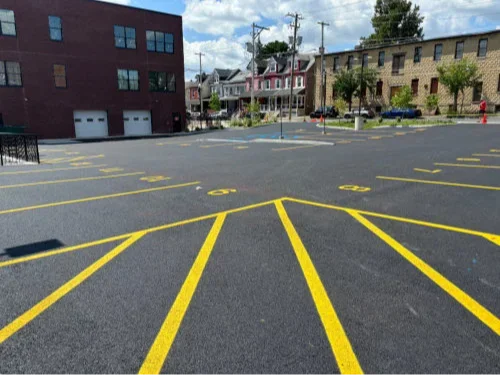
Why retail parking lot paving demands specialized strategy
The biggest risk factors and failure points in parking lots
How the right paving pro can maximize traffic flow, safety, and curb appeal
Step-by-step overview of commercial paving process for retail stores
How phased paving and lot maintenance keeps your business open and protected
This article delivers a roadmap for retail property owners in Alburtis, Macungie, and throughout the Lehigh Valley. You’ll uncover unique challenges in retail parking lots, learn key preventive strategies for lot maintenance, and understand how an expert asphalt paving contractor tailors solutions for shopping centers, standalone big-box stores, and high-traffic public facilities. Whether you want to avoid costly repairs, improve safety, or create a welcoming experience, this guide provides practical, actionable steps.
Retail lots see constant turnover—commuters coming and going, delivery trucks, and brisk pedestrian cross-traffic. These unique stresses demand far more than a standard paving job: the strategy for retail parking is designed around high traffic, visible presentation, and long-term safety. Unlike residential or industrial sites, retail store lots are always “on” and in full view. Every crack, puddle, or pothole is a potential liability and a negative brand impression.
Shopping centers, grocery stores, clinics, banks, and restaurants all face similar challenges: balancing durability with safety, keeping access open during work, and maintaining an inviting appearance. Effective lot maintenance and asphalt paving isn’t just about putting down new pavement. It requires traffic analysis, site-specific drainage solutions, and a phased approach that minimizes business disruption. Partnering with the right paving pro means building longevity and trust—delivering a retail environment that’s as smooth as it is safe.
To further enhance the longevity and appearance of your retail parking lot, it’s important to consider protective measures beyond the initial paving. Incorporating seal coating services can help shield your investment from weather, chemicals, and daily wear, ensuring your lot remains attractive and functional for years to come.
The typical retail parking lot experiences constant activity. Daily spikes in customer volume—morning rushes, midday flurries, evening peaks—create wear and tear most obvious at entrances, main drive lanes, and high-turnover spaces close to the building. These concentrated loads put unique stress on the pavement, which is why failure points like cracking and potholes often show up first in high-use areas.
Proper design and lot paving planning use data on traffic flow and natural movement patterns. Clearly marked drive lanes and thoughtfully placed parking spaces help direct vehicles efficiently, while wide, open sightlines reduce the risk of fender benders, congestion, and pedestrian hazards. A professional paving contractor will evaluate entry/exit points, pedestrian walkways, and delivery truck routes to create a retail parking ecosystem that supports both safety and shopper satisfaction.
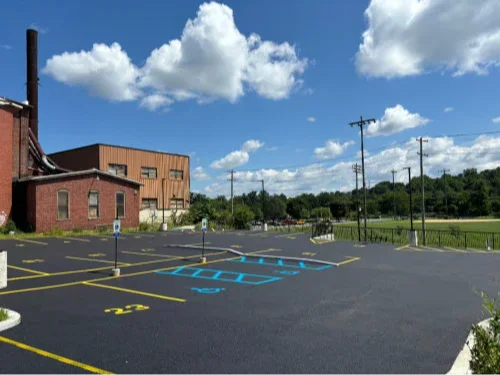
Safety and curb appeal aren’t just about looks—they’re strategic business imperatives. A neglected parking area increases trip-and-fall hazards, invites complaints, and raises your insurance exposure. Customers want to feel comfortable and protected, which is only possible when surfaces are flat, walkways are unobstructed, and markings are visible under any lighting.
From a liability standpoint, the property owner is responsible for providing safe access and parking. That means fast response to potholes, rapid repainting of crosswalks and ADA spaces, and proactive drainage maintenance to prevent ice patches or slick spots. Investing in professional retail parking lot paving signals to customers that your retail property takes their safety and experience seriously, enhancing your reputation and supporting ongoing profitability.
Entrances and drive lanes take the most wear
Standing water—signs of inadequate grading
Consequences: cracks, potholes, accidents, complaints
Drainage is often the hidden root cause behind fast-deteriorating parking lots. Without correct grading and water management, rainwater pools in low areas and seeps beneath the pavement. This moisture weakens the base, accelerates freeze/thaw damage, and leads to premature asphalt failures—especially in Pennsylvania’s variable climate.
A professional paving pro will ensure your lot is engineered for water to flow steadily away from high-traffic areas and building foundations. Best practices include integrating catch basins, sloping the surface appropriately, and reinforcing vulnerable spots like entrances and intersections. Proactive drainage planning dramatically reduces long-term repair costs and helps maintain consistently safe, attractive retail lots.
No two retail parking lots are exactly alike, but property managers across Alburtis and Lehigh Valley consistently face a familiar set of challenges. Environmental factors, traffic volume, and poor initial construction can rapidly degrade your investment—especially if routine maintenance is overlooked or underestimated. Understanding these pitfalls helps business owners act fast, prevent accident risk, and keep their curb appeal on point.
Top issues include cracking, potholes, standing water, and chaotic traffic design. Each of these problems increases liability, elevates repair expenses, and can quickly undermine daily business operations. Knowing what to look for—and how to respond—saves time, money, and future headaches.
Cracking and potholes are the most visible—and most dangerous—signs of parking lot paving distress. Cracks typically start small, the result of stress at drive lanes and parking areas, but water intrusion during freeze/thaw cycles rapidly expands the damage. Neglecting these warning signs often leads to more extensive repairs or full replacements later.
Potholes form when moisture erodes the base layer, causing sections of asphalt or concrete to break apart under repeated pressure. These hazards are especially common at lot entrances, delivery routes, and wherever vehicles brake or turn sharply. Not only are they unsightly, but potholes increase trip hazards, vehicle damage, and customer complaints—making prompt asphalt maintenance a must for any retail center.
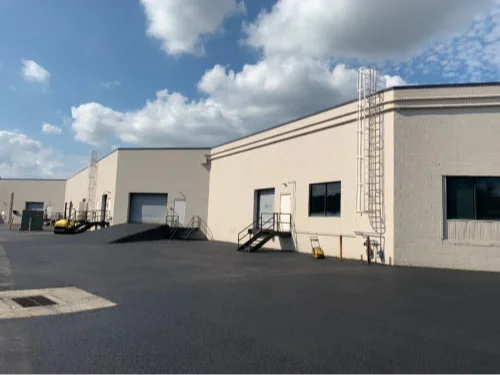
Pooling water after rainfall is more than a nuisance—it’s a red flag for inadequate grading or failing subbase. Improper drainage not only speeds up pavement breakdown but also endangers pedestrians and drivers. Collected water freezes in winter, creating dangerous ice patches and additional expansion damage.
Effective lot paving addresses proper drainage from day one. Solutions may include targeted regrading, improved slopes, and installation of catch basins at strategic locations. Addressing water issues proactively preserves your retail parking lot, minimizes expensive repairs, and keeps your shopping center safe and accessible year-round.
Water damage due to freeze/thaw cycles
Potholes in high-turn areas and entrances
Poor striping leads to congestion and accidents
A straightforward, intuitive layout is essential for both safety and efficient parking lot operations. Poorly marked lanes, unclear signage, or haphazard parking space layouts contribute to congestion, near-misses, and frustrated customers. Bad design also reduces lot capacity, eating into potential revenue for your business.
Modern parking lots use bold striping, directional arrows, and logical drive patterns to minimize confusion. A skilled paving contractor reevaluates traffic patterns with every repaving, offering actionable improvements for safer flow and more effective space utilization. This elevates curb appeal, improves tenant satisfaction, and prevents costly rearrangement down the road.
Material | Strengths | Ideal For |
|---|---|---|
Asphalt Paving | Flexible, cost-effective, fast installation | High-traffic, quick turnarounds |
Concrete Paving | Durability, bright/clean look, minimal repairs | Entrance aprons, loading zones |
Choosing the right asphalt or concrete for your retail parking lot is a foundational business decision. Asphalt paving is the go-to choice for most retail lots, thanks to its flexibility, cost savings per square foot, and rapid project completion. It excels in larger parking areas—which need to be repainted and reopened quickly.
Concrete paving is frequently used at entrances, delivery zones, or where heavy trucks operate, delivering superior compressive strength and a clean, long-lasting finish. Many retail centers combine both solutions for optimal durability, using concrete in highest-stress paths and asphalt elsewhere. A commercial paving pro will analyze your site’s traffic patterns and environmental stresses to recommend the perfect material mix.
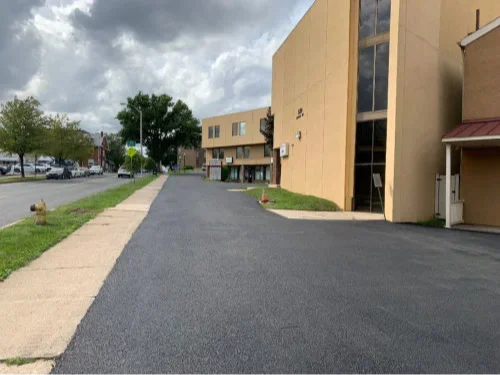
Material selection isn’t just about up-front cost; it’s about matching your lot’s specific needs. High-turnover retail stores, like groceries or department stores, benefit from asphalt paving which can be rapidly installed, repaired, or refreshed with new striping. Areas facing constant truck traffic (such as loading docks) often require concrete paving for its structural resilience.
Other site factors like soil composition, shade, and underground utilities may sway your choice. For property managers overseeing large shopping centers, combining asphalt and concrete provides flexible, budget-sensitive coverage for both vehicular and foot traffic zones. Consult an experienced paving pro to build a custom pavement strategy that balances durability, curb appeal, and long-term ROI.
Retail lot paving isn’t a one-size-fits-all process. It’s a staged, methodical approach: the groundwork must be flawless to avoid future failures. For business owners, understanding each phase ensures expectations are managed and downtime is minimized.
A typical commercial lot paving project for a retail property follows three core phases: site preparation, ground grading, and pavement installation. Partnering with a proven paving contractor means every phase is executed with attention to detail—preserving your investment for years to come.
Preparation sets the foundation for success. Crews start by removing debris, obstacles, and weakened pavement. Surveying and compacting the subgrade ensures a stable platform for the new surface. Proper preparation prevents voids, uneven settling, and early failures—key concerns for high-visibility retail parking lot paving.
An expert team will use grading equipment to create precise slopes, guiding water away from buildings and main drive lanes. Land grading corrects years of patchwork repairs or prior construction errors, providing a well-drained, even canvas for the new surface.
A correctly engineered base is the difference between a lot that lasts a decade and one that fails in just a few years. Layers of crushed stone and aggregate are compacted to form a strong, unyielding foundation. Drainage features, like underdrains or French drains, are installed to capture and redirect water efficiently.
Attention to the “hidden” aspects of lot paving dramatically reduces maintenance costs. Sufficient base depth, sharp edges, and reinforced transitions (especially at curbs, aprons, and stormwater inlets) provide the strength needed to withstand constant vehicle and foot traffic.
Debris removal and leveling
Establishing drainage and slope
Distributed paving for even, safe surfaces
The final stage begins with hot mix asphalt or ready-mix concrete delivered to the site and distributed for uniform thickness. Equipment like motorized pavers and rollers ensures the surface is evenly compacted and free of weak spots. Concrete zones, such as aprons and loading bays, receive careful finishing for a flawless, easy-to-clean presentation.
A seasoned paving pro manages each step—striping, bollard installation, traffic marking, and blending new pavement with surrounding walkways—resulting in a safe, attractive, and code-compliant retail parking lot. The area is swept, signage is reinstalled, and the lot is reopened for business as soon as possible.
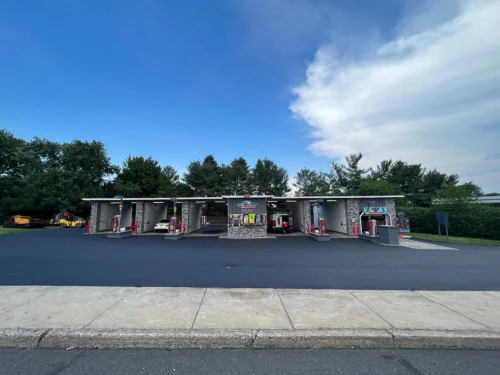
Retail and shopping center properties can’t afford downtime. That’s why professional lot paving projects are approached in phases, ensuring continuous access for customers, vendors, and emergency vehicles. Intelligent staging keeps your business running while improvements take place.
Strategic planning includes clear signage, temporary traffic routing, and scheduled work during low-volume periods—such as overnight or off-peak hours. Property managers that coordinate closely with their paving contractor minimize operational disruption and enhance customer loyalty throughout the project.
Phasing large parking lot projects
Maintaining clear routes for access and safety
Paving around high-traffic times
Phased paving means dividing the parking area into manageable zones, so some spaces remain open while others are being resurfaced. Careful scheduling (including evenings, holidays, or early mornings) ensures that tenants and customers always have clear, safe routes to entrances. Cones, barriers, and wayfinding signs help guide foot and vehicle movement during each phase.
A reliable paving pro works with property managers and retail tenants to develop detailed access management plans. They coordinate construction around deliveries, special events, and weather, reducing headaches and keeping your shopping center operating at peak efficiency—even during major upgrades.
For retail centers, regular parking lot maintenance is a proven way to save money, extend surface life, and create a safer environment. Just like with any high-value asset, prevention costs far less than emergency repairs or full-depth replacement. A few scheduled hours of asphalt maintenance each season can add years to your investment.
Savvy business owners and property managers know that routine maintenance—like sealcoating, timely crack repair, and fresh striping—stops problems before they spiral. This proactive approach reduces liability, prevents service interruptions, and supports steady business growth.
Proactive maintenance programs focus on two core principles: keep water out of the pavement system and repair minor issues promptly. Services such as annual sealcoating protect the surface from harmful UV rays, spills, and freeze/thaw cycling. Crack sealing stops water from penetrating the base, the number one cause of long-term structural failures.
Other cost-effective strategies include timely patching of problem spots, routine sweeping, and repainting faded lines for maximum visibility. A trusted paving contractor can recommend a tailored maintenance schedule that fits your retail lot’s needs, annual wear, and weather exposure—preserving curb appeal and extending useful life.
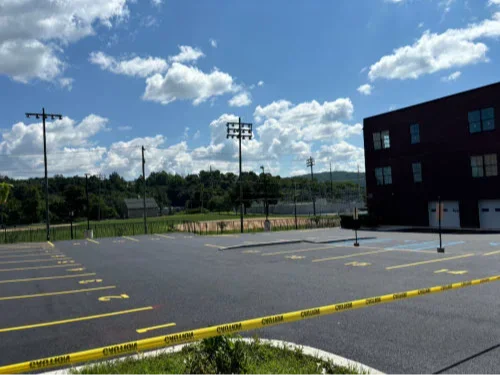
Routine inspections by experienced commercial paving pros help identify surface breakdown, drainage problems, or structural issues before they worsen. Walk-throughs catch new cracks, signs of settlement, or early pothole formation. Inspectors can also assess traffic striping, ADA compliance, lighting, and signage for a holistic safety review.
Key benefits of scheduled inspections include earlier intervention, smaller repairs, and reduced long-term costs for retail property owners. Investment in regular assessment provides priceless peace of mind, cuts risks, and ensures your retail parking lot remains competitive and complaint-free.
“Continuous maintenance means fewer emergencies and less downtime for your retail store.”
Sealcoating extends pavement life
Well-timed repairs prevent costly failures
Family owned, decades serving Lehigh County
Financing options for business owners
Seasoned commercial paving pro team
Free, no-obligation retail parking consultations
“We treat every parking lot as if it protects our own business reputation.”
Lenny’s Asphalt is the trusted local expert in retail parking lot paving for Alburtis, Lehigh Valley, and surrounding communities. As a family-run operation, the company offers decades of experience supporting business owners, property managers, and tenants alike. Their team delivers professional solutions—whether you’re updating a shopping center, rebuilding after storm damage, or planning a new retail project from scratch.
Financing options, year-round operation, and a hands-on, commercial-focused approach make Lenny’s the partner retail property owners can count on. Every project starts with a free, no-pressure consultation, so you can explore your options risk-free and benefit from local expertise built over generations.
The cost to pave a parking lot varies depending on lot size, material (asphalt versus concrete), site preparation needs, and drainage requirements. Most quotes are based on price per square foot and include factors like local material costs and traffic loads. An expert paving contractor provides free consultations and accurate estimates tailored to your retail lot’s unique specifications.
Commercial asphalt paving typically requires a thickness of at least 3 to 4 inches for light-duty retail lots, but heavy-use or high-traffic areas (like drive lanes and delivery zones) may need up to 6 inches plus a stabilized base. The ideal thickness is determined by local regulations, soil conditions, and projected vehicle loads—making consultation with a commercial paving pro essential for durable results.
For expansive commercial parking lots, reinforced concrete beams or curb-and-gutter systems may be used along perimeters and drainage lines to support structural edges. The exact beam type is dictated by lot design, loading requirements, and site drainage strategy. An experienced retail paving contractor will recommend the best solution for stability and long-term performance.
While small, low-traffic lots may be resurfaced by owners with DIY kits, professional retail parking lot paving is always recommended for larger, public-facing spaces. Proper grading, compaction, drainage, and compliance with ADA and local codes require specialized equipment and expertise. Working with a licensed paving pro ensures quality, warranty protection, and long-term value for your property.
First impressions and safety start with great retail parking lot paving.
Plan for high-traffic zones, drainage, and ongoing parking lot maintenance.
Partner with a reputable paving pro to maximize your investment and minimize business disruption.
Ready to create a safer, more welcoming retail environment? Call 610 366 9406 to request your free, no-obligation consultation from Lenny’s Asphalt—the Lehigh Valley’s trusted retail parking lot paving pros.
If you’re looking to take your property’s curb appeal and safety to the next level, consider how professional line striping solutions can further optimize traffic flow and enhance the overall customer experience. Well-executed striping not only maximizes parking capacity but also reinforces your brand’s attention to detail and commitment to safety. By exploring advanced maintenance and design strategies, you can ensure your retail lot stands out in the Lehigh Valley marketplace. For more expert insights and tailored recommendations, continue your journey with Lenny’s Asphalt and discover how every detail of your parking lot can drive business success.