

Imagine pulling into an office complex where the driveway is riddled with cracks, the parking lot lines are faded, and puddles pool near every walkway after rain. Now imagine a professionally paved lot—a crisp, welcoming surface with fresh striping, clean walkways, and smooth traffic flow. Instantly, you and every other visitor make a subconscious judgment about the professionalism and value of that property. For office parks, corporate campuses, and medical buildings, office properties asphalt isn’t just pavement—it’s the platform for first impressions, tenant satisfaction, and long-term asset health. A neglected parking lot is more than a nuisance; it’s a hidden cost that erodes your brand and drives away clientele.
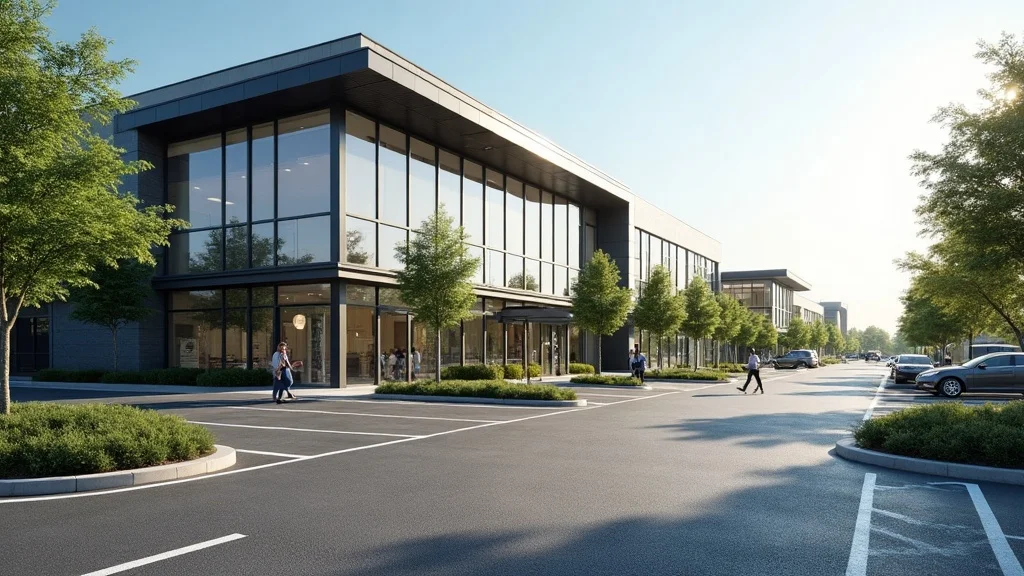
First impressions start in the parking lot. The condition of office properties asphalt speaks volumes. When a client or potential tenant arrives, the parking area—a clean asphalt surface with crisp striping and smooth drive lanes—signals care, organization, and stability. This visual appeal is not just cosmetic; it reassures visitors before they ever step inside the building. Faded lines, potholes, and debris subtly communicate neglect, suggesting that attention to detail is lacking throughout the operation.
Studies in commercial property management consistently point to curb appeal as a differentiator in leasing and customer retention. Tenants are more likely to renew leases and new clients more likely to sign when the surrounding environment exudes professionalism. The parking lot is an introduction, so its condition establishes instant credibility for the property manager and inspires trust from users and investors alike.
“The parking lot is the first handshake your property makes – make it a firm one.” – Commercial property manager
The exterior condition of office properties sets the stage for what tenants and clients expect inside. Whether your portfolio covers a single building or an expansive commercial campus, the status of commercial asphalt speaks to the standards you uphold as a property manager. Clean, uniform asphalt paving conveys order, while cracked, uneven surfaces imply deferred maintenance—a red flag for both tenants and investors. More than just aesthetics, consistency across multiple buildings ensures a seamless brand image, showing that the property manager or owner is attentive to every detail.
For property managers seeking to further enhance the exterior appeal and durability of their office spaces, exploring specialized solutions such as professional stone work can complement your asphalt strategy and add a distinctive touch to entryways, walkways, and landscaping features.
Managing commercial properties with multiple office buildings requires a coordinated approach to exterior surfaces. Consistency in asphalt paving, line striping, and general upkeep across parking lots and drive lanes presents a unified image for the entire campus. When each lot is maintained to the same standard, it reflects positively on the property as a whole, reducing confusion and providing clear cues to both visitors and employees. Uniform surfaces also ensure more predictable budgeting for property managers and help establish brand identity, whether the business specializes in professional services, healthcare, or technology.
From an operations perspective, managing a synchronized maintenance plan for all exterior asphalt surfaces helps ensure reactive, emergency repairs are minimized. This means fewer disruptions, more stable tenant experiences, and easier marketing for new leases. Inconsistent, patchwork repairs send the opposite message, signaling cost-cutting or mismanagement and decreasing the perceived value of every structure on the property.
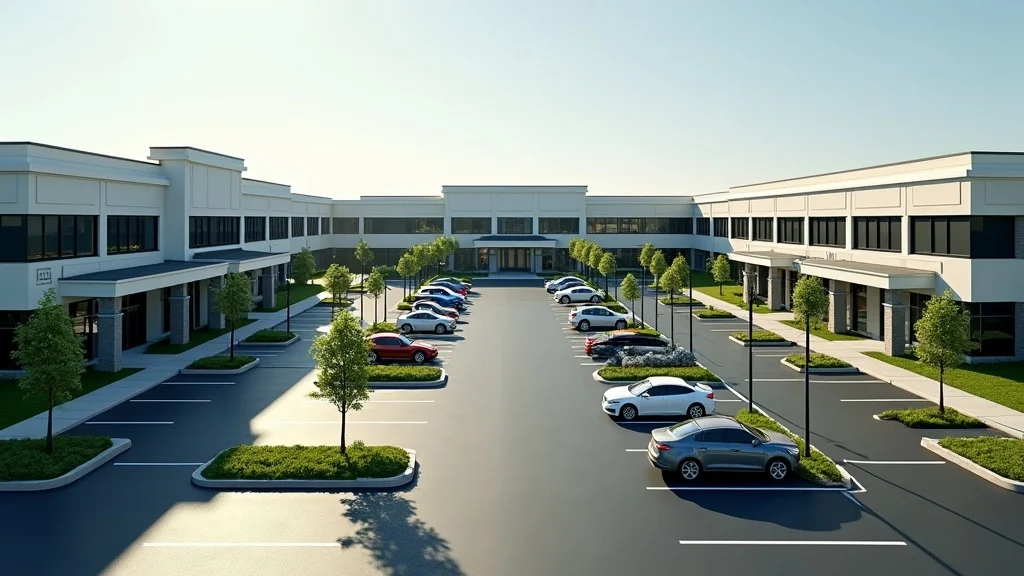
The parking lot is where most property users spend significant time, making traffic flow, safety, and clean walking surfaces among a property manager’s top priorities. Clearly marked lanes and accessible walkways ensure vehicles and pedestrians move efficiently and safely, reducing risk of accidents in busy multi-tenant zones. Well-maintained asphalt surface means fewer uneven surfaces that might trip up employees or visiting clients, further building trust in your management.
Features like proper striping, loading zones, and accessible routes contribute to a sense of care that can make or break your building’s reputation. Maintaining these standards also minimizes liability by reducing slip, trip, and fall hazards—a critical concern for property owners and risk managers alike. In professional environments, every detail counts, and nothing says “prepared and trustworthy” like a clean, safe, and orderly exterior.
Organized striping and clear signage in parking areas reinforce a sense of order and structure, core elements of professional property branding. Freshly painted lines guide both vehicles and pedestrians, creating a stress-free environment for all users. This semblance of structure and investment elevates curb appeal—an asset that directly supports marketing and leasing initiatives.
Superior asphalt paving not only adds to visual impact, but can also be an effective differentiator in competitive commercial property markets. Prospective tenants often include outdoor spaces, traffic flow, and ease of navigation in their decision-making processes. When your asphalt surface reflects the highest standards, it strengthens a narrative of well-managed, premium environments.
Tenant retention begins far outside the front lobby. A well-maintained parking lot demonstrates ongoing investment in comfort and convenience—two essentials for keeping businesses happy and productive. Users who contend daily with potholes, flooding, or ambiguous parking spaces quickly grow frustrated, while accessible, organized, and safe parking areas inspire loyalty and long-term leases.
When employees and visitors experience smooth entry and exit from your parking area, a subtle but powerful signal is sent: we value your time and safety. Crumbling surfaces, standing water, or poorly configured traffic lanes do more than inconvenience—they reflect poorly on the entire operation. Conversely, a well-maintained parking lot ensures that every morning starts with confidence, supporting efficiency and reducing stress for everyone on site.
For property managers of commercial campuses or medical buildings, the parking lot is often where user frustration—or satisfaction—begins. Reliable asphalt work and visible ongoing care reduce complaints, maintenance requests, and disruptions. The result is higher overall satisfaction, increased lease renewals, and a positive reputation among tenants and visitors.
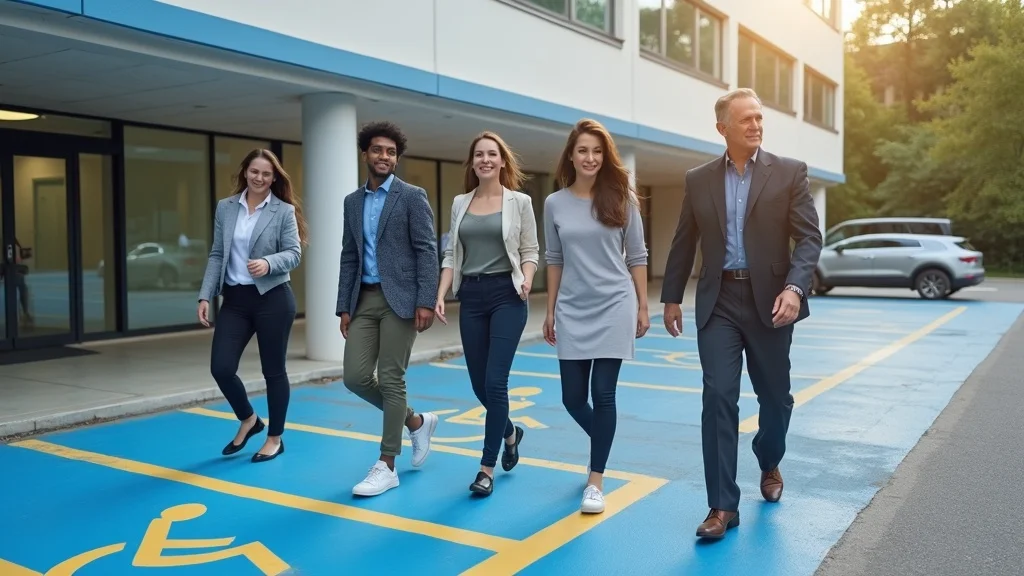
A modern parking lot must go beyond the basics—ADA-required asphalt paving features communicate inclusivity and safety. Clearly marked accessible spaces, routes, and curb ramps reflect not only legal compliance, but also the values of a professional property manager. Just as importantly, they instill confidence in visitors with mobility challenges and help businesses meet the needs of a diverse workforce.
Accessible design is also a business advantage. Properties that meet or exceed ADA standards avoid costly legal action, support their tenants’ hiring goals, and demonstrate a forward-thinking approach to building management. By making asphalt surfaces inviting to all, you open the door for a broader customer and employee base.
Reactive maintenance is costly; anticipating and addressing wear with scheduled asphalt work keeps both expenses and complaints down. Establishing a maintenance plan—from regular inspections and minor patching to annual crack filling and sealcoating—ensures issues are resolved before they escalate. Fewer emergency fixes means fewer complaints, less tenant disruption, and lower long-term maintenance costs for property managers.
More than inconvenience, every pavement complaint signals a gap in site management. By building proactive care into your routine, you can turn the most common pain points into strengths, retaining satisfied tenants and creating advocates for your office or business park.
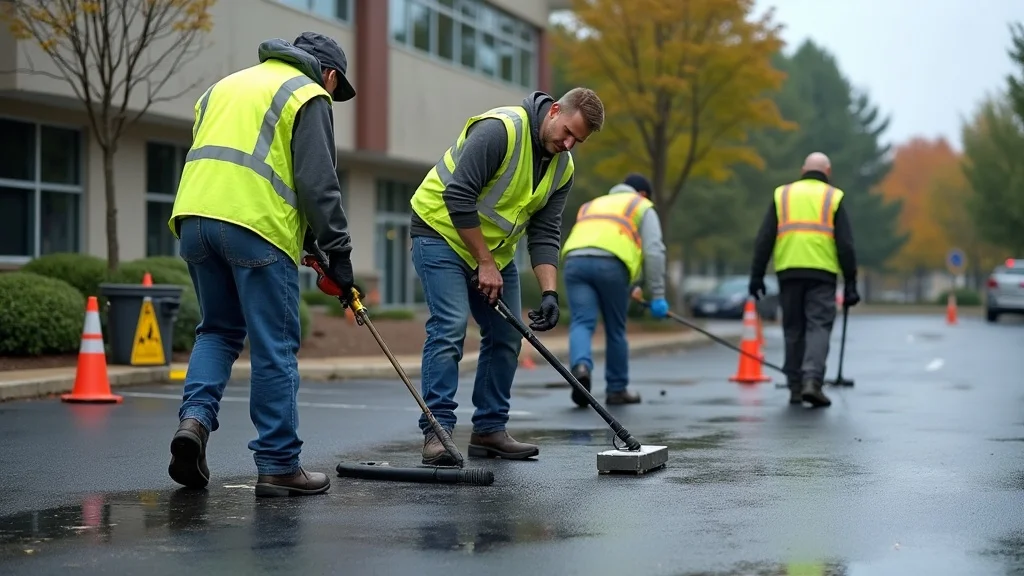
Every commercial property faces the choice: invest early or pay later. Preventative maintenance of office properties asphalt isn’t just about today’s appearance—it’s an investment in long-term value and operational efficiency. By adopting a proactive strategy, property managers avoid structural damage that snowballs into six-figure repairs and major disruptions.
The combination of routine sealcoating and prompt crack filling dramatically extends the life of asphalt pavement. Sealcoating protects against weather damage and chemical wear, maintaining rich color and resisting water penetration. Annual crack filling intercepts small fissures before they allow water to compromise the base layers—a leading cause of structural failures and high maintenance costs.
These practices aren’t just for show; they prevent potholes, surface collapse, and the premature need for costly full-depth replacements. Consistent, scheduled commercial asphalt care forms the foundation of a sustainable property asset management strategy.
The economics are clear: the price of deferred repairs is steep. Skipping preventative maintenance means small cracks grow to major liabilities—each costing multiples more to repair. A best-practices approach, built on preventative asphalt work cycles (sealcoating every 2-5 years, annual inspections, and regular cleaning), curbs the need for disruptive, large-scale replacement projects.
These savings aren’t just monetary; they extend to reduced downtime, fewer emergency tenant complaints, and better alignment with annual budget cycles. For every dollar spent in smart planning, property owners protect asset value and control one of the biggest avoidable expenses in commercial paving.
“Deferred pavement repairs often multiply costs for commercial properties managers – planning pays off in preservation.” – Industry expert
Managing maintenance across multiple office buildings or commercial spaces is a logistical test. The key to efficient asphalt work is planning—phased projects, off-hours repairs, and open communication keep tenants satisfied and disruptions at a minimum. With thorough scheduling, property managers can uphold high standards without upending business operations or frustrating lessees.
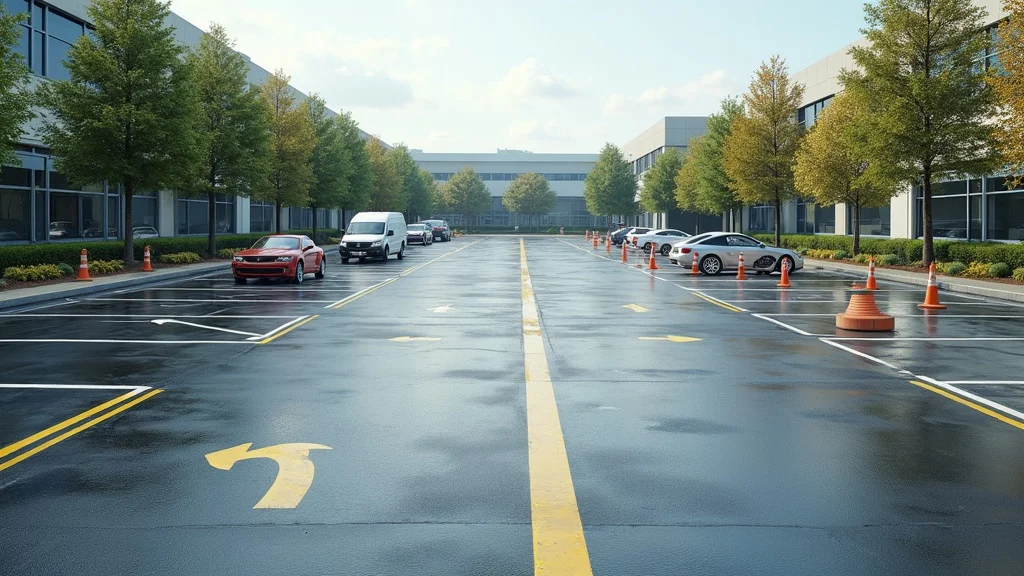
Breaking larger projects into phases—one half of the parking lot at a time, for example—allows tenants continued access while maintaining progress. Temporary signage, cones, and clear guidance are crucial for both safety and peace of mind, ensuring employees and clients navigate changes easily.
Phasing also lets the property manager adjust for weather, property use, and unforeseen delays, keeping projects on track and mitigating the risk of extended disruptions. This kind of methodical approach distinguishes well-run office properties and builds confidence in your ability to manage complex, multi-tenant environments.
No maintenance plan succeeds without effective communication. Proactive updates—explaining timelines, project scope, and alternate routes—reduce confusion and help property managers demonstrate transparency. Maintenance calendars, distributed by email or posted visibly, foster trust and set expectations, which is key to tenant satisfaction during asphalt work.
Pre-scheduled notifications about upcoming phases, parking lot closures, and anticipated completion dates reduce frustration and allow tenants to plan ahead. This collaborative relationship with tenants is as much a part of brand reputation as the finished pavement itself.
Certain areas bear more abuse—and carry more weight in a property’s image. Entry and exit points are prime curb appeal zones; their condition directly shapes the first and last impression for visitors. Loading docks and service drives accumulate heavy vehicular wear, causing surface breakdowns faster than standard parking. In high-traffic zones, constant vehicle flow wears striping and accelerates surface deterioration.
Drainage is a frequently overlooked, yet persistent, issue. Standing water on asphalt surfaces not only accelerates the creation of potholes and cracks but also signals systemic issues with lot design or maintenance. Prompt attention to water pooling, through routine inspections and drainage improvements, is essential for preserving your investment and upholding the reputation of your commercial property.
A well-maintained parking lot is more than an amenity—it’s a smart marketing tool. Office properties that prioritize asphalt paving and exterior aesthetics gain a clear edge over competing spaces, especially when attracting high-caliber tenants or premium lease clients. Cleanliness, organization, and safety are visible proof points of professional management and resource allocation.
Experienced leasing agents know the value of a polished property tour, where all details support the pitch. A commercial asphalt surface that is tidy, freshly striped, and free of defects validates claims of quality. For prospective tenants, this means confidence that common areas—indoors and out—will be managed to the highest standards.
This exterior excellence makes a property manager’s job easier; showing off pristine parking lots eliminates early objections and helps prospects envision their own clients and employees in a high-functioning environment. When a business can picture success before they move in, your property secures the advantage.
Office properties with meticulously cared-for asphalt surfaces support higher lease rates—renters know they are paying for more than square footage; they are paying for environment, reliability, and reduced operational headaches. Retaining high-value tenants often comes down to minimizing disruptions and maintaining exterior spaces on par with interior amenities.
Your commitment to annual maintenance, detailed asphalt work, and fast response to minor issues fosters the level of satisfaction that keeps businesses anchored, even as markets fluctuate. This not only steadies cash flow but can drive up asset value for the property as a whole.
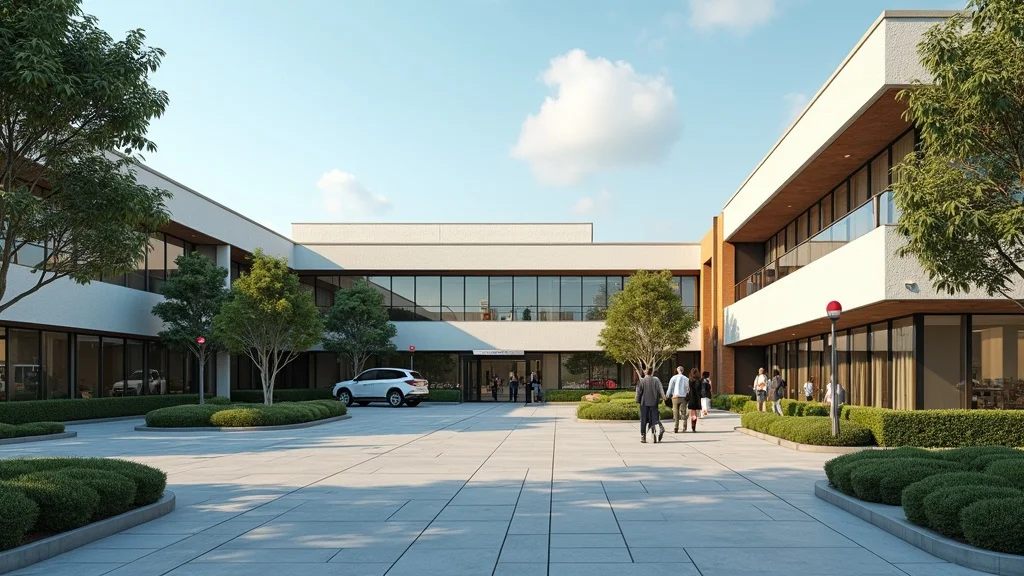
In markets crowded with similar amenities and price points, the difference often lies in the details. A property with consistently maintained asphalt—smooth drive lanes, elegant landscaping, and clear signage—immediately rises above competitors with less investment in external areas. This difference in curb appeal can be the deciding factor for prospective tenants evaluating multiple offers.
Word-of-mouth also plays a role; tenants who feel their operating environment continually meets the highest standards are likely to share positive experiences, aiding your marketing team and supporting referral-based growth. Ultimately, superior office properties asphalt is a competitive asset with returns far beyond the surface layer.
| Maintenance Activity | Recommended Frequency | Key Benefits |
|---|---|---|
| Sealcoating | Every 2-5 years | Extends surface life, improves appearance |
| Crack Filling | Annually | Prevents water penetration and structural damage |
| Line Striping | As needed | Ensures safety, enhances traffic flow |
| Drainage Inspection | Seasonally | Reduces risk of potholes and surface collapse |
As a best practice, office properties asphalt should be inspected at least annually—ideally before and after the winter season. High-traffic sites may benefit from additional inspections to identify emerging cracks, drainage concerns, or wear patterns before they escalate into major problems. Early detection is the most cost-effective strategy for property managers.
The optimal season for commercial asphalt work is late spring to early fall, when daytime temperatures range from 50°F–85°F. Warmer, dry weather enables proper curing of materials and minimizes project delays. Avoid scheduling extensive work during wet or cold periods for best results and longevity of repairs.
Multi-unit commercial properties can keep maintenance costs down with a preventative approach: combine sealcoating, crack repairs, and line painting into bundled projects, negotiate multi-site contracts with a trusted asphalt contractor, and phase work for off-peak periods to avoid emergency surcharges. Routine inspections prevent small issues from becoming major expenditures.
Look for widespread cracking, persistent standing water, faded or missing striping, potholes, and base layer movement. When these symptoms cover large sections of your commercial parking lot, minor maintenance is no longer sufficient—it’s time for a consultation with a professional asphalt contractor to determine repair or resurfacing options.
Watch as our expert breaks down: property maps, phased scheduling, and before-and-after results that showcase strategic maintenance for multiple office properties asphalt and parking areas. Clear visuals and planning checklists empower property managers to communicate with tenants and maintenance teams, while minimizing disruptions during asphalt work.
Discover how simple upgrades in asphalt paving, fresh striping, and thoughtful landscaping instantly transform the curb appeal and overall image of professional office properties—leading to increased property value and tenant satisfaction.
Large office parking lots face challenges such as higher vehicle turnover, increased exposure to weathering, and complex drainage requirements. Coordinating repairs without significant tenant disruption and maintaining ADA compliance across extensive paved areas are unique hurdles for property managers.
Neglected asphalt surfaces quickly diminish the curb appeal and perceived quality of a commercial property. Poorly maintained lots lead to frequent repairs, loss of tenant confidence, and can lower asking rents or property sale value. Proactive care protects both immediate function and long-term asset value.
If your office park, corporate campus, or medical building is showing signs of wear, now is the time to act. A clear maintenance strategy can prevent costly repairs and elevate your property’s professional image. Call 610 366 9406 to schedule a consultation and protect your property investment.
For property managers and owners looking to stay ahead of the curve, it’s worth considering how innovative approaches to exterior surfaces can further distinguish your properties. Exploring options like colored driveways not only enhances visual appeal but also signals a commitment to modern design and long-term value. To discover how these advanced techniques can elevate your property’s curb appeal and set your assets apart in a competitive market, take a look at the advantages of colored driveways for your home—many of these insights translate seamlessly to commercial environments and can inspire your next strategic upgrade.