

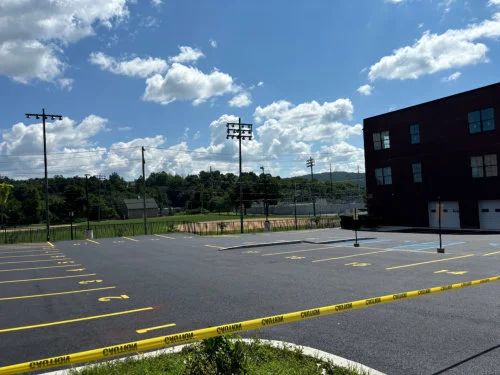
Imagine welcoming a prospective tenant or client to your property—their first impression? It’s the parking lot. Cracked, faded, or uneven pavement can signal neglect, while a smooth, freshly paved lot exudes professionalism and safety. Paving for property management is more than just a utilitarian expense; it’s a strategic investment that affects everything from curb appeal to asset value. In this guide, you’ll discover why top property management owners don’t leave pavement decisions to chance, especially for full parking lot installations or major repaving projects. Let’s uncover why your next paving contractor could be one of your most important partners.
Understanding Paving for Property Management: Foundation for Asset Value
-
Explore the critical role of paving for property management in maintaining curb appeal and safety
-
Discuss how full parking lot paving and commercial paving decisions impact long-term capital planning
-
Introduce the main keyword: paving for property management as a strategic choice
Paving for property management forms the foundation of every high-value real estate portfolio. For property managers, well-maintained paved lots aren’t just checkboxes for compliance—they’re key to daily operations, tenant satisfaction, and remarkable first impressions for visitors and customers. Whether it’s parking lot paving or routine commercial paving upgrades, your choices directly impact your property’s reputation and future marketability.
Effective asset protection begins with asking: is your paving strategy reactive or proactive? While patchwork repairs may seem sufficient in the short term, full lot paving and comprehensive pavement solutions actually support robust capital planning—reducing headaches, major unplanned costs, and risk for property managers and owners. Choosing paving for property management as a deliberate, strategic investment means your paved lot will stay safer, more attractive, and more durable for years to come.
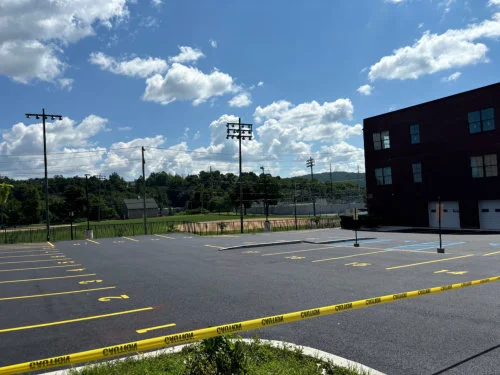
What You’ll Learn About Paving for Property Management
-
How a preferred paving contractor protects your property management investment
-
The difference between professional concrete paving and asphalt paving makes
-
Key factors in planning major parking lot paving projects
-
Success stories and pitfalls to avoid
In this article, you’ll discover how skilled paving contractors serve as trusted partners for property management teams, not just “call for a patch” vendors. We’ll cover what distinguishes concrete paving from asphalt paving in big projects—and why material choices affect maintenance, appearance, and pavement life. You’ll learn planning essentials for large-scale parking lot paving, project execution, cost-control strategies, and real-life case studies showing how the right approach makes all the difference for tenants and property owners alike.
We’ll also break down preventive maintenance (think crack fill, sealcoating, and line striping) that extends the life of your investment and explain what to look for in a top-tier paving contract. If you’re looking to avoid common headaches and secure long-lasting results, this guide arms you with the information every property manager should have before their next major paving project.
Addressing underlying issues such as asphalt settling is also crucial for long-term pavement performance. For property managers facing uneven surfaces or premature wear, understanding how to fix asphalt settling quickly and effectively can help prevent more extensive repairs and maintain a professional appearance.
The High Stakes of Parking Lot Paving in Property Management
“A successful paving project is not just about asphalt or concrete—it’s about partnership, preparation, and peace of mind for property managers.” – Industry Expert
When it comes to paving for property management, the stakes are high and the margin for error is slim. A parking lot is a substantial investment and a highly visible aspect of any managed property—one that tenants, facility teams, and clients depend on every day. Poorly executed lot paving or cutting corners on repairs can lead not only to unhappy tenants but to real liabilities: trip hazards, drainage system failures, and mounting maintenance costs.
That’s why an experienced paving contractor is so important. It’s not just about filling cracks or patching a pothole; it’s about working with professionals who understand the downstream effects of their work. A trustworthy contractor manages everything—assessment, design, execution, preventive maintenance—ensuring that your parking lot complements your operational goals and preserves your property’s long-term value.
Full Lot Paving vs Minor Repairs: Impact on Property Managers
-
Why paving services are essential—not just ‘patches.’
-
The downstream effects: tenant satisfaction, operational efficiency, and safety
Minor repairs, such as isolated crack filling or pothole patching, can be tempting short-term fixes for budget-conscious property owners, but they rarely address underlying infrastructure issues. In reality, full lot paving often becomes inevitable when surface failures accumulate, drainage is compromised, or the base has deteriorated. Property managers who schedule comprehensive paving services ahead of a crisis enjoy smoother traffic flow, improved property safety, and happier tenants and customers.
The ripple effects are substantial: a structurally sound, newly paved lot ensures ADA compliance, optimizes parking layout, and reduces day-to-day headaches for property management and facility teams. A proactive approach to lot paving also means fewer operational disruptions and lower total maintenance costs over time—critical for a property manager aiming for maximum asset value and tenant retention.
Choosing a Preferred Paving Contractor: Benefits for Property Managers
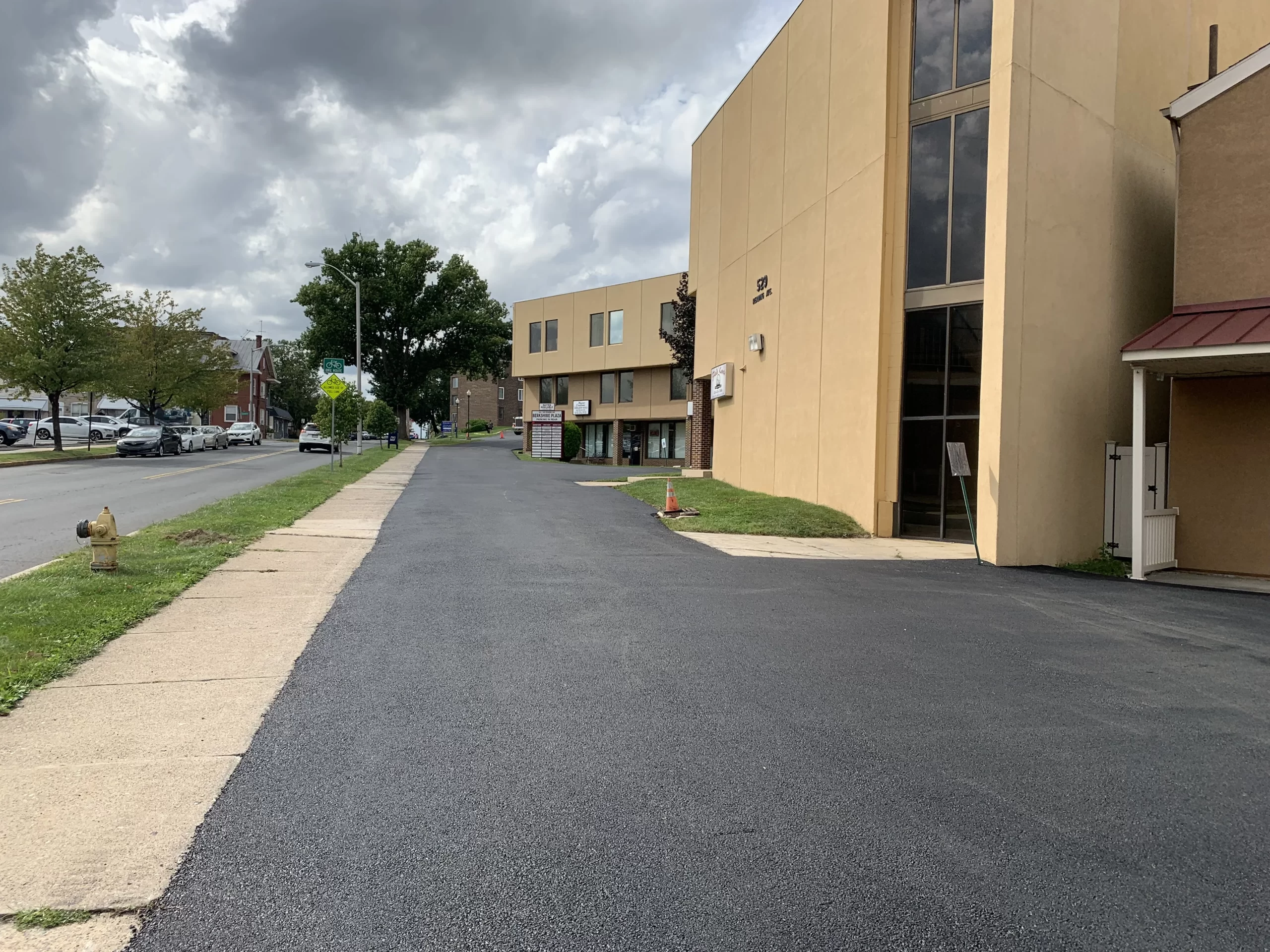
How a Go-To Paving Company Streamlines Vendor Management
-
Standardizing quality across your property management portfolio
-
Lowering project risk: fewer delays and rework
-
Moving seamlessly from planning to completion for parking lot paving and commercial paving projects
Establishing a relationship with a preferred paving company significantly streamlines vendor management for property management owners. Instead of starting each major paving project with an extensive bidding process, having a go-to contractor means you have immediate access to a team that understands your standards, site nuances, and timing needs. This familiarity leads to standardized workmanship throughout your portfolio, delivering consistent curb appeal and operational reliability.
Working with a proven paving contractor also reduces project risk. Fewer delays, less rework, and predictable scheduling allow property managers to maintain a seamless tenant experience—minimizing disruptions and maximizing efficiency. Ultimately, this trusted partnership means moving quickly from the planning phase to successful completion, whether for new commercial paving or full parking lot installations.
What to Look for in a Paving Contractor
-
Accountability, experience, and modern commercial paving equipment
-
Transparent paving contract processes and communication
-
Commitment to long-term partnership—not one-off transactions
Not all paving companies are created equal. When evaluating a paving contractor for your property management needs, prioritize firms with decades of proven experience on similar projects (parking lot paving, commercial properties, grading, and drainage). Look for modern, well-maintained equipment; crews with a professional attitude and a track record of compliance; and management that is responsive, transparent, and communicative at every stage.
Transparency in the paving contract process is a must. Reputable contractors lay out precise scopes of work, deliver clear timelines, identify responsible parties, and offer detailed warranties. Most importantly, the best contractors aren’t looking for “one-and-done” jobs—they’re invested in building a long-term partnership that will support your maintenance plan, capital improvements, and ongoing property management goals.
The Anatomy of a Successful Paving Project for Property Management
Comprehensive Site Assessment and Grading
-
Why grading and lot paving preparation set the stage for durability
-
Drainage, sub-base, and soil testing considerations for parking lots
Every successful paving project starts with a thorough site assessment. Grading is the foundational step—it establishes proper slope and supports effective drainage, helping eliminate standing water that can undermine both asphalt and concrete paving. Experienced paving contractors use site assessments to evaluate soil stability, existing sub-base conditions, and the need for excavation or land improvement before any material is laid.
This meticulous approach isn’t just for show. A well-graded, prepped lot ensures long-term pavement life, prevents costly water damage, and streamlines future maintenance efforts. Remember: quality at the base level is what truly separates a “quick fix” lot paving job from a resilient, trouble-free parking lot that serves your property management goals for years to come.
Material Choices: Asphalt vs. Concrete Paving
-
When to choose asphalt paving over concrete paving
-
Maintenance differences: crack fill, crack filling, and full replacement strategies
Selecting materials for your next paving project has lasting implications for cost, durability, and appearance. Asphalt paving is generally more flexible and cost-effective for large areas like parking lots, and it allows for easier crack filling and repair work as surfaces age. In contrast, concrete paving offers an excellent lifespan and a polished look, but requires a higher upfront investment and may require fewer, larger repairs or even full replacement if not maintained properly.
For property management portfolios, understanding how to balance these options—and integrating crack filling or sealcoating as preventive maintenance—will determine the real-world lifespan of your investment. A discussion with your paving contractor about expected traffic loads, freeze/thaw cycles, and regional weather patterns helps define the best approach to both day-one installation and long-term asset protection.
Execution: Scheduling, Communication, and Minimizing Disruption
-
How professional paving services manage timelines and stakeholder communication for property managers
-
Techniques to keep tenant and traffic flow interruptions to a minimum during major paving projects
Project execution is where your paving contractor proves their worth. Top-tier paving services develop clear schedules that accommodate peak traffic times, provide advance notice to tenants and facility teams, and maintain open lines of communication throughout each phase. By doing so, they help property managers avoid preventable disruptions and maintain safety for all occupants.
Best practices include phased construction (to keep portions of the lot accessible), signage and barriers for safe navigation, and prompt, courteous responses to stakeholder questions. Attention to detail here isn’t optional; it’s what sets reliable paving contractors apart in the eyes of both property owners and building users.
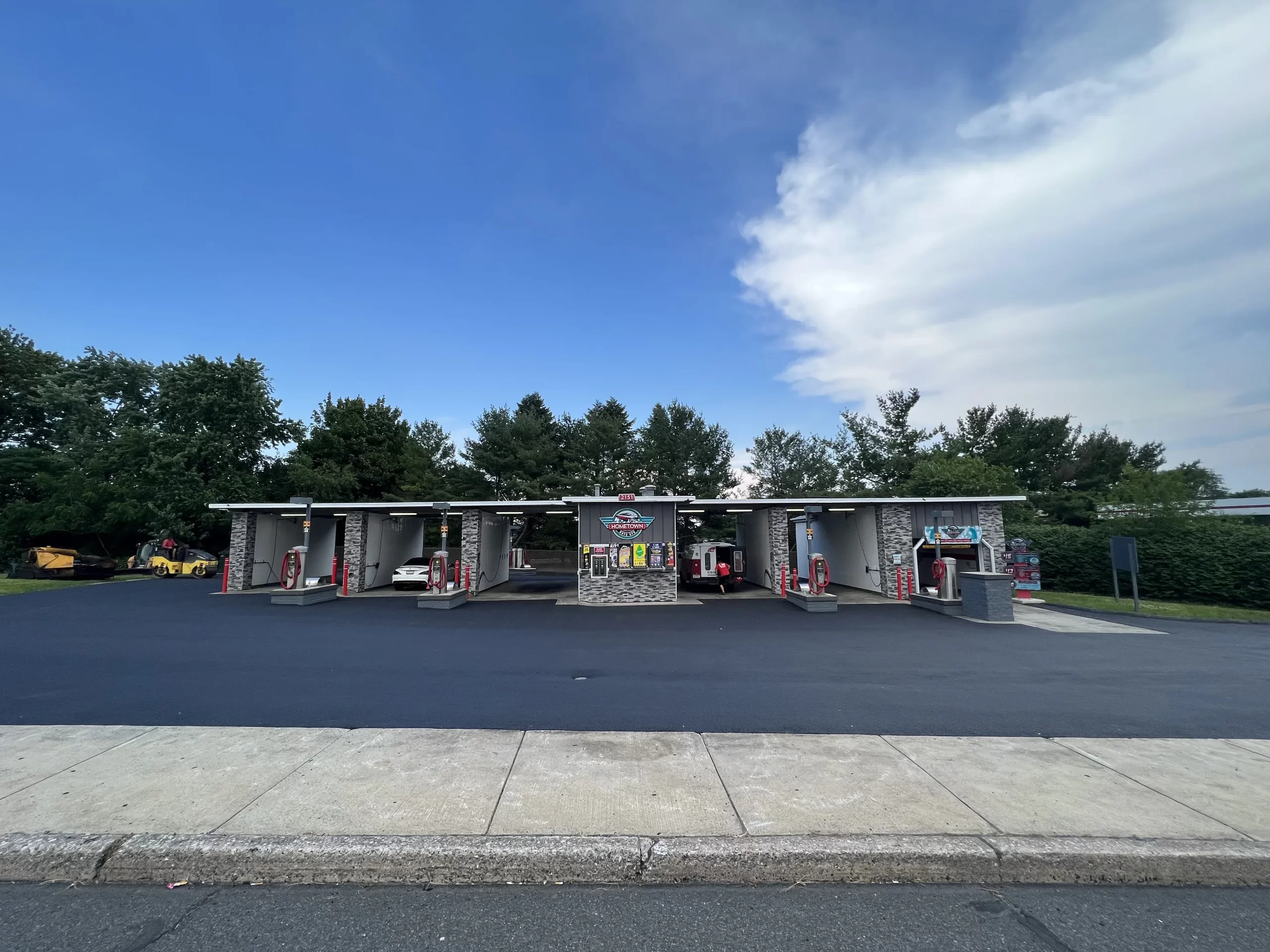
Preventive Maintenance: Extending the Life of Your Paving Investment
Crack Fill, Sealcoating, and Line Striping Explained
-
Best practices for preventive maintenance that safeguard the parking lot and property management value
-
When routine sealcoating or line striping is essential
Protecting your investment after paving is all about preventive maintenance. Crack filling addresses small fissures before they turn into costly potholes, while sealcoating replenishes the asphalt surface and shields it from the elements. Line striping maintains traffic flow, clarity, and accessibility standards—not just for aesthetics but for compliance and safety.
Property managers who implement scheduled maintenance plans—including routine crack fill, timely sealcoating, and fresh line striping—can dramatically extend the life of their parking lot. This approach minimizes unplanned repair costs and helps ensure every paved lot continues to make a positive first impression for property owners, tenants, and guests.
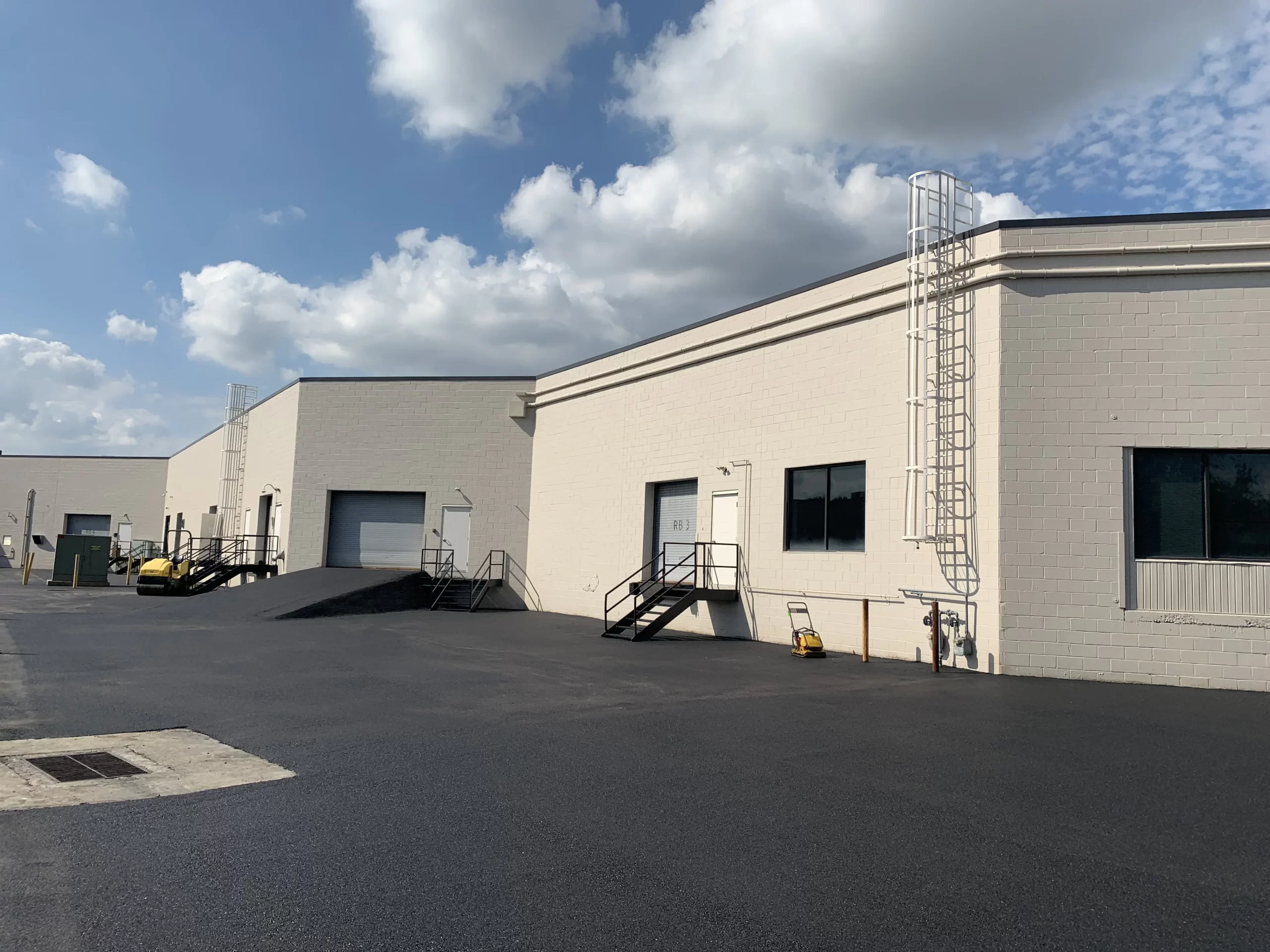
The Value of Long-Term Paving Partnerships for Property Managers
Real-World Outcomes: Testimonials from Property Managers
“Lenny Wells Paving turned our parking lot nightmare into a smooth, predictable project. Communication and results exceeded expectations.” — Local Property Manager
-
Professional crews, competitive pricing, and proven vendor reliability
-
How repeat partnerships reduce property management headaches
Property managers across the region consistently report the benefits of an ongoing relationship with a preferred paving contractor. Their feedback? Projects run smoother, budgets are easier to predict, and quality is unwavering. With repeat work comes quicker response times, improved understanding of site history, and the confidence that vendor reliability will not be a wild card each time capital improvements arise.
Especially for larger portfolios or multi-site commercial properties, having a paving contractor like Lenny Wells Paving that understands your unique needs and delivers each time becomes an invaluable asset—reducing the typical headaches and last-minute panics that can define poorly handled paving projects.
Paving Contracts: What Every Property Manager Needs to Know
|
Key Contract Terms |
Why It Matters for Property Management |
|---|---|
|
Scope of Work |
Eliminates ambiguity for both the paving contractor and the property manager |
|
Timeline & Milestones |
Ensures minimal disruption and project predictability |
|
Materials Specified |
Guarantees quality and performance for parking lots and commercial paving |
|
Warranty |
Protects your investment long-term |
Before signing any paving contract, property management owners should pay close attention to the details. Top contracts clearly define the scope of work, set project milestones, specify the types of materials to be used, and include warranty terms that actually protect your property’s value. Transparent, well-crafted contracts eliminate surprises, foster accountability, and serve as the foundation for lasting vendor relationships.
Frequently Asked Questions about Paving for Property Management
How much does it cost to pave 10,000 square feet?
-
A breakdown of cost considerations for large paving projects—including materials, preparation, and drainage
The cost to pave 10,000 square feet depends on several variables: material choice (asphalt vs. concrete), the amount of grading and drainage work needed, and the existing site conditions. Key cost drivers include sub-base preparation, soil stabilization, and design for proper drainage system performance. Asking your paving contractor for a detailed site assessment and itemized estimate will help you understand both the immediate and long-term financial investment for your property’s specific needs.
What is the cheapest way to pave a parking lot?
-
Overview of cost-saving options, including asphalt paving and phased approaches for property management owners
For most property managers, asphalt paving is the most cost-effective option for large parking lots due to lower upfront costs and the ease of repairs down the road. Phased installation—where sections are replaced over time—can also help spread costs. However, careful consideration of future maintenance, drainage system upgrades, and intended use is essential to ensure initial savings don’t become future liabilities through higher maintenance or premature replacement.
What is the difference between grading and paving?
-
Define the roles of grading (site preparation) and paving (installation of materials) in successful parking lot projects
Grading is the process of shaping and preparing the ground to achieve proper slope, support, and drainage for your lot. It involves excavation, soil evaluation, and the creation of a stable sub-base. Paving follows grading and involves installing asphalt or concrete over the prepared area. Successful parking lot paving projects require close coordination of both steps to ensure the surface remains durable, drainable, and ready to withstand heavy use for years to come.
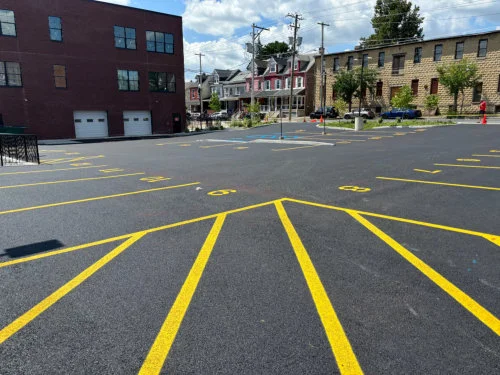
How long do 2 inches of asphalt last?
-
Discuss lifespan factors for lot paving, including usage levels, weather, and maintenance routines
The life expectancy of a 2-inch asphalt layer on a well-prepared lot can vary widely depending on usage intensity, regional climate (freeze/thaw cycles), and the rigor of preventive maintenance. Regular crack filling, sealcoating, and well-planned drainage help extend the life of your asphalt surface. Working with an experienced paving company to develop a custom maintenance plan can substantially extend the service life of your paved lot.
Case Studies: Major Paving Projects in Property Management
-
Example: Full parking lot replacement with enhanced drainage
-
Example: Commercial paving upgrades requiring minimal tenant disruption
A recent example in the region highlights a commercial property that required full lot replacement due to recurring flooding and pavement failure. By working with Lenny Wells Paving, the property manager received a comprehensive assessment, an improved grade for proper drainage, a phased project schedule to minimize tenant disruption, and a finished product that restored asset value and enhanced curb appeal.
Another case involved a busy retail center, where commercial paving upgrades were scheduled during off-hours to preserve traffic flow and shopping convenience. In both situations, partnership with a proven paving contractor ensured not just technical success but clear communication and stakeholder satisfaction from start to completion.
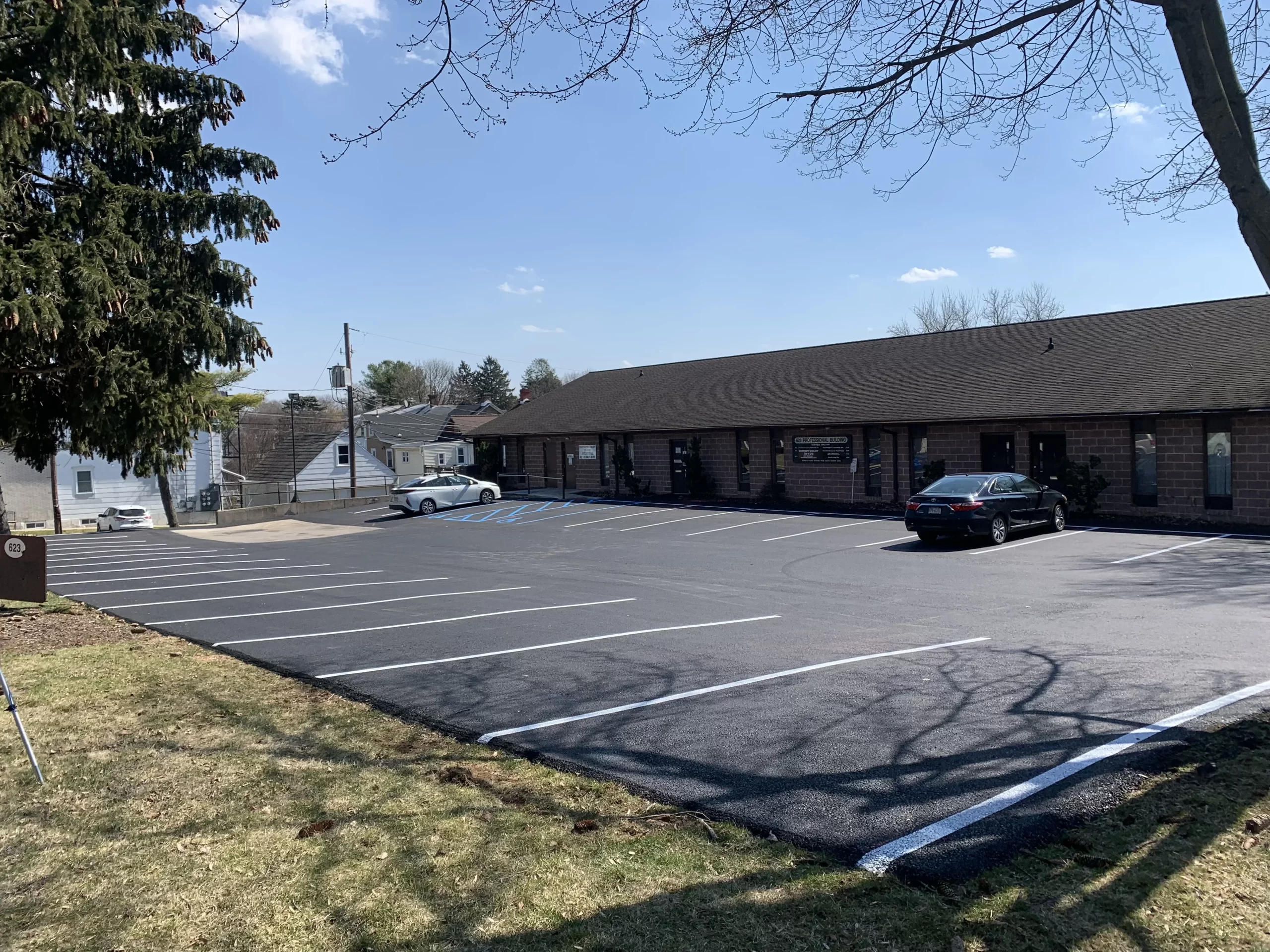
Let us show you how professional paving contractors assess your site, prepare the lot, execute grading, install asphalt or concrete, and apply precise line striping—all explained from a property management perspective.
See how routine crack filling, sealcoating, and line striping work together to keep your paved lot safer and more attractive—while reducing future repair costs.
Get insights directly from a veteran paving contractor about major project planning, pitfalls to avoid, and tips for property managers preparing for full lot replacements or capital upgrades.
List: Top 10 Qualities to Demand from Your Paving Contractor
-
Proven experience with property management projects
-
Track record of safety and compliance
-
Modern, well-maintained equipment
-
Strong client reviews and testimonials
-
Clear communication and transparency
-
Fair, consistent pricing models
-
Detailed contracts and warranties
-
Responsiveness to scheduling needs
-
Expertise in drainage and grading
-
Commitment to long-term partnerships
Key Takeaways for Property Management Owners
-
Major paving for property management is an asset protection strategy
-
Picking a reputable paving contractor is critical for long-term value and minimal disruption
-
A preferred partnership with a proven team drives better ROI and lasting results
Treat your next paving project as a long-term investment, not a simple repair—partnering with an established paving company sets your property (and reputation) up for success.
As you consider your next steps in paving for your property management, remember that the right approach can transform not just your parking lot but your entire property’s value and appeal. For those interested in exploring additional materials or alternative solutions, learning about crushed asphalt as a sustainable paving option can open up new possibilities for both cost savings and environmental impact. Dive deeper into advanced paving strategies to ensure your investment stands the test of time and supports your long-term property management goals.
Ready for Your Next Paving Project?
-
If you’re a property management owner looking for a proven, family-owned company to manage your next major parking lot or commercial paving project, call 610 366 9406 or request a free estimate today.