

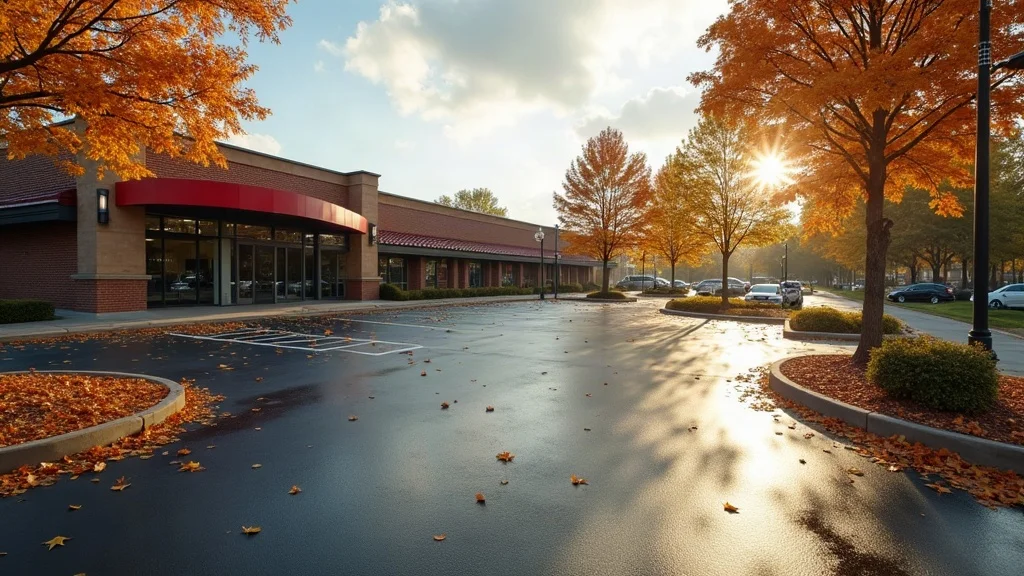
Imagine the first hard frost settling in—suddenly, those small pavement cracks in your parking lot have grown, and minor drainage issues are now major nuisances, creating new safety risks for tenants and visitors. Acting now, before winter tightens its grip, can save property managers the time, headaches, and expenses of spring repairs. This comprehensive asphalt checklist for fall will guide you through everything you need to inspect, maintain, and plan across your parking lots and driveways—so your property weathers the cold with confidence.
What You’ll Learn from This Asphalt Checklist for Fall
-
Key fall maintenance tasks for parking lot and asphalt driveway care
-
How to identify and prioritize asphalt repair needs before winter
-
Strategic planning for sealcoating, repaving, and future maintenance
Preparing Your Property: Why an Asphalt Checklist for Fall Matters
“Small cracks and potholes don’t stay small once winter weather arrives—proactive fall maintenance can save you time and money in spring.”
-
Potential risks of neglecting parking lots and pavement surfaces
-
Impact of fall weather on drainage systems and overall pavement condition
Completing a fall asphalt checklist is more than a seasonal task—it’s essential care that protects your investment and reduces future headaches. Left unchecked, small cracks and surface defects can quickly evolve into safety hazards and major structural problems after repeated freeze-thaw cycles. Drainage issues are especially problematic, as clogged catch basins and blocked water flow create standing puddles that accelerate pavement breakdown and threaten the structural integrity of both parking lots and driveways.
Fall brings a mix of moisture, falling leaves, and dropping temperatures, all of which conspire to stress your asphalt surface. By inspecting now, you can target critical areas, prioritize necessary asphalt repairs, and avoid being caught off-guard when winter arrives. This proactive approach better equips you to maintain safe, attractive, and accessible paved surfaces for everyone who visits your property.
Inspecting Cracks and Potholes: Critical Steps on the Asphalt Checklist for Fall
Spotting Early Signs of Asphalt Repair Needs in Parking Lots
-
Wide, interconnected cracks: dangers and solutions
-
Recurring potholes and their impact on asphalt driveway safety
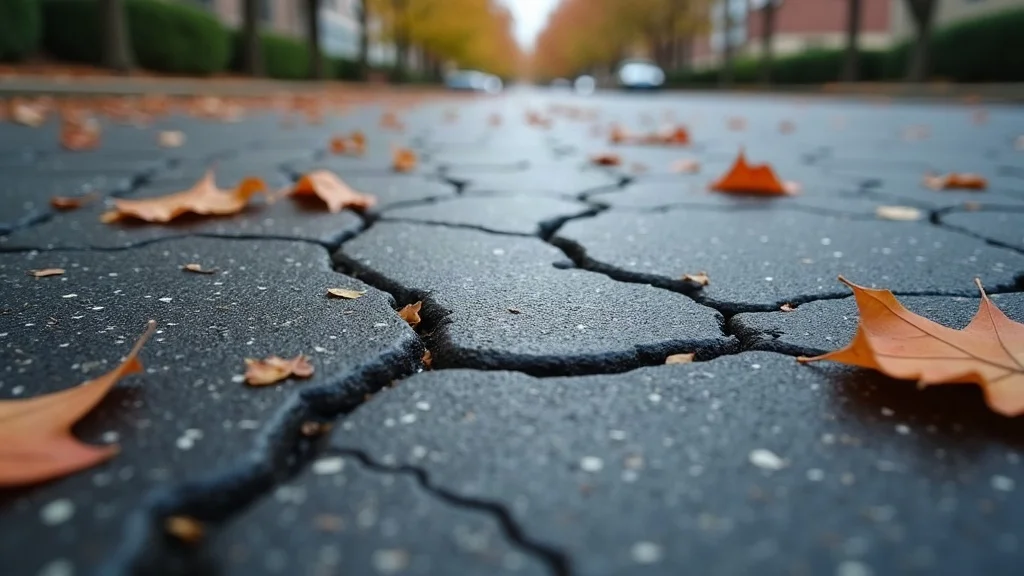
When walking your property, watch for large or expanding cracks, especially interconnected ones. These wider openings aren’t just cosmetic flaws; they’re visible signs that water infiltration could soon undermine the pavement surface. Once freezing temperatures arrive, trapped moisture expands, causing even minor cracks to rapidly worsen. This repeated freeze-thaw cycle is a primary reason why small repairs grow in both size and cost by spring.
Recurring potholes—especially in heavy traffic zones—are another red flag. They not only create uncomfortable or unsafe driving and walking conditions, but also signal potential subsurface problems that require prompt asphalt repair. Proactive crack sealing can prevent moisture penetration and stop isolated problems from spreading. Focusing on these trouble spots during your fall inspection can extend your parking lot’s life and reduce long-term costs.
Assessing High-Traffic and Vulnerable Areas
-
Loading zones, catch basins, and repeatedly patched sections
Certain sections of parking lots and asphalt driveways demand extra scrutiny. Loading zones, dumpster areas, and main entrances often see frequent, heavy traffic—they’re the first places to show signs of distress. Repeatedly patched zones may indicate deeper structural failures rather than surface wear alone. Inspect around catch basins for cracks or depressions, as these spots are essential for managing drainage and preventing water pooling in winter.
Focus on areas near building entrances, access roads, and delivery points. These high-use spaces are critical for tenants, visitors, and employees; quick attention to developing issues here helps keep your parking lot safe and operational. Note any low spots, dips, or zones with multiple repairs—these may require more than simple fixes and should be included in your planning for either pre-winter work or spring budgeting.
Evaluating Drainage Systems and Standing Water on Pavement Surface
-
Why drainage issues worsen in fall and winter
-
How to check catch basins and identify drainage problem zones
-
Addressing standing water before freeze-thaw cycles begin
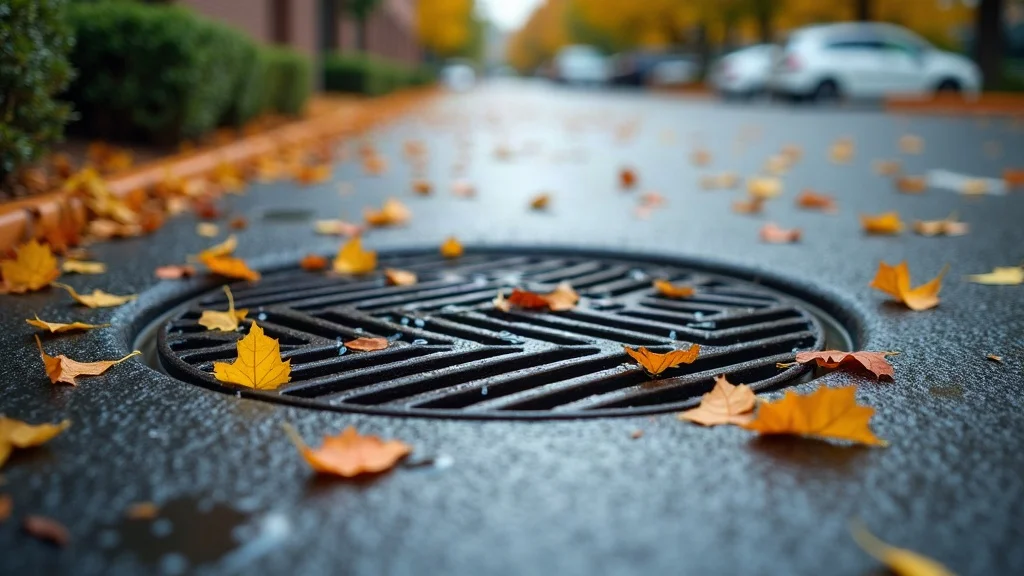
Effective drainage systems are a cornerstone of long-term pavement health. As leaves fall and rain becomes more frequent, clogged catch basins and debris buildup can disrupt water flow. Standing water doesn’t just erode paved surfaces; it can also cause freeze-thaw damage, surface spalling, and even foundation washouts. Addressing these issues now is one of the most valuable steps on your fall asphalt checklist.
After rainfall, walk around your property. Mark any locations where water lingers, especially near catch basins, low spots in driveways, or the edges of your parking lot. Remove leaf buildup, clear drains, and watch for pavement depressions or soft spots—these can signal both immediate and long-term problems. If drainage trouble is significant, consider consulting a professional about grading or system upgrades before winter weather locks in moisture and magnifies damage.
Assessing Safety: Trip Hazards and Uneven Pavement in Parking Lots
-
Common causes and warning signs of uneven pavement and broken asphalt
-
Protecting pedestrians and reducing liability by fixing damaged transitions
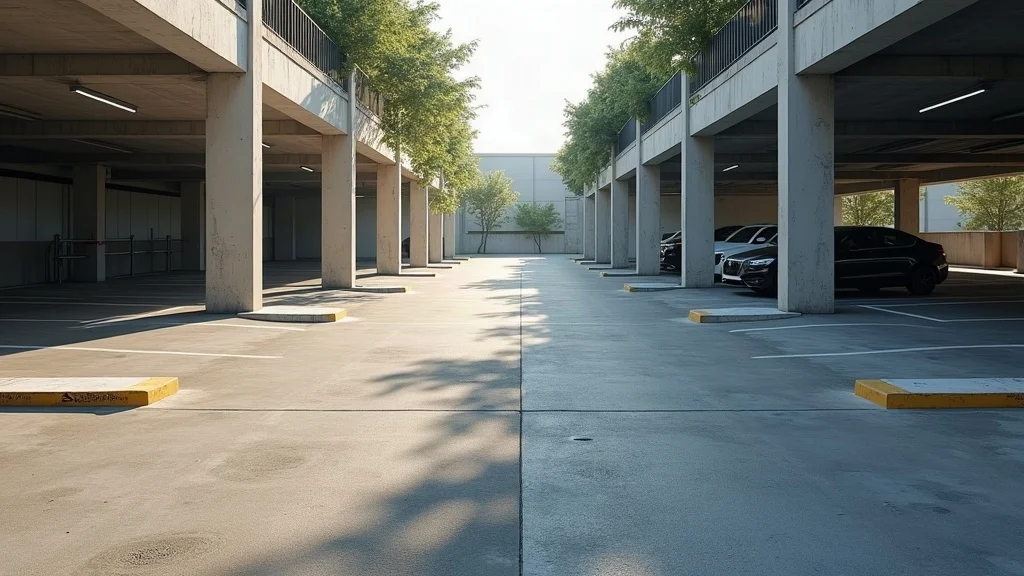
Physical safety is every property manager’s top concern, making uneven pavement and damaged transitions a focal point during your fall inspection. Uneven or crumbling asphalt surfaces can pose a significant safety hazard to pedestrians and vehicles alike. Look for raised edges, sunken spots, broken driveway transitions, and curb ramps that no longer meet grade requirements.
Addressing trip hazards protects everyone who visits or works on your property, and it’s a proactive way to reduce liability. Don’t ignore subtle cues: a misaligned curb ramp or deteriorating pavement edge can quickly become a trouble spot under snow cover or ice. Prioritizing safety fixes—even if you’re only planning temporary repairs now—demonstrates commitment to proper care and keeps your parking lot up to code and user-friendly throughout the winter.
Reviewing Parking Lot Striping and Maintaining Traffic Flow
-
Evaluating the visibility of markings and organization of parking lots
-
Integrating striping with other asphalt repair and sealcoating projects
Striping is a visible sign of a well-maintained property and plays a huge role in organizing parking lots for safety and efficiency. As autumn wears on, paint fades, making spaces and directional arrows harder to see—especially in low light and wet conditions. Take this time to assess whether line striping, ADA markings, and crosswalks remain crisp and easy to follow.
If your property needs asphalt repair, sealcoating, or even more extensive repaving, it makes logistical sense to coordinate these projects. Re-striping after sealing or resurfacing provides a fresh, uniform appearance and maximizes the lifespan of both markings and pavement surface. Well-organized traffic flow and clear parking-space delineation support smooth operations and an inviting environment for all users.
Choosing the Right Fall Solution: Repair, Sealcoat, or Repave?
When Targeted Asphalt Repair Is Sufficient
-
Situations where localized asphalt repair of cracks and potholes makes sense
Spot fixes are often the best first step when most of your asphalt surface is in good condition, and problem areas are defined. Localized asphalt repair—such as crack sealing and pothole patching—minimizes water infiltration and prevents small concerns from becoming seasonal headaches. This approach is cost-effective and can be completed quickly, ideal right before winter settles in. Use your inspection notes to pinpoint areas that need immediate attention; addressing them now will help you control costs and keep parking lots and asphalt driveways functional.
For a deeper dive into addressing underlying pavement issues that can lead to settling and uneven surfaces, explore this practical guide on how to fix asphalt settling quickly and effectively. Understanding these root causes can help you prevent recurring problems and extend the life of your repairs.
Sealcoating for Surface Protection: Fall Considerations
-
Benefits and limitations of sealcoating before winter
If your paved surface is structurally sound but showing oxidation, light cracking, or a faded appearance, sealcoating can refresh the look and extend the life of the asphalt. Sealcoating acts as a shield against moisture, oil, and UV rays after the harsh summer heat, and provides a sleek, dark finish that improves the property’s curb appeal. However, timing matters: sealcoating requires dry, mild weather, and shouldn’t be attempted if the forecast predicts cold, wet conditions. Weigh whether you can complete this step before the minimum pavement-temperature threshold is reached in late fall.
Is Full Repaving Necessary for Your Parking Lot or Asphalt Driveway?
-
Indicators that widespread pavement surface deterioration requires more than patches
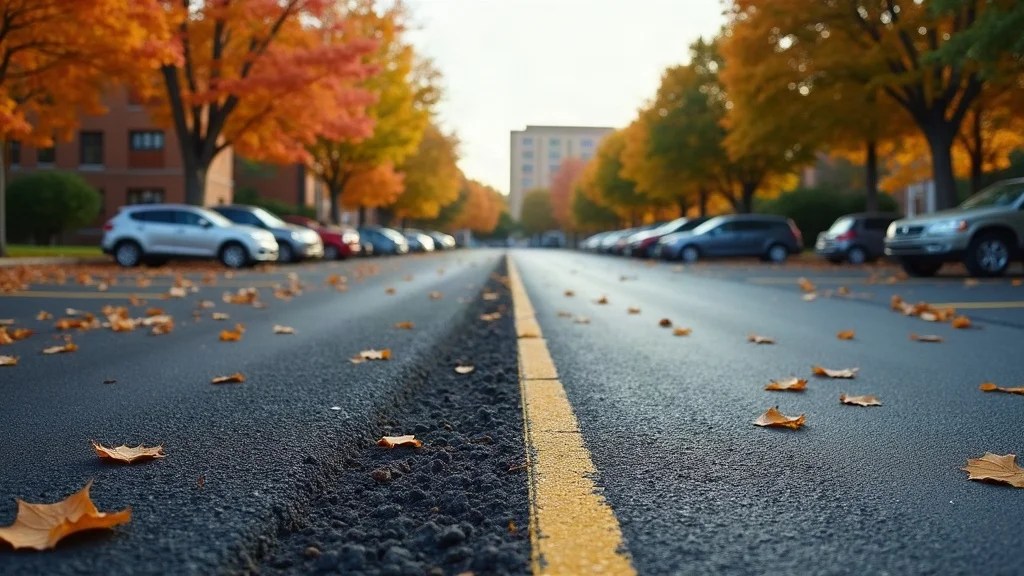
When deterioration is extensive—with extensive alligator cracking, multiple failed spots, or worsening drainage—spot patching or sealing won’t fix underlying issues. In these situations, full repaving or resurfacing may be the only route to restore the pavement surface’s structural integrity and maintain safety. Consider factors like repeated repairs, chronic drainage issues, and areas with sunken, crumbling asphalt. If these issues occur across large sections of your parking lots or asphalt driveway, it’s often more cost-effective and practical to plan a comprehensive makeover than to keep doing piecemeal fixes.
If budget or time constraints make a fall project unrealistic, don’t let the opportunity for strategic planning pass by. Start securing expert assessments, plan repairs or full repaving for spring, and share your findings with property owners so everyone is aligned for the next maintenance season.
Planning Ahead: If You Can’t Tackle Asphalt Projects This Fall
-
How to prioritize repairs and plan for spring paving projects
-
Involving property owners and budgeting for asphalt driveway and parking lot restoration
Not every project must happen before winter—sometimes the wise move is to assess and budget now, then schedule major asphalt repair or repaving for spring. Collect information on issue severity and locations, then rank repairs by urgency, safety, and budget. This gives you a strong foundation for spring proposals to property owners and keeps projects moving without last-minute surprises. Communicate regularly with stakeholders so they understand the scope, risks, and priorities tied to your asphalt checklist for fall.
Early planning lets you get contractor estimates, secure funding, and schedule work at the first available window next season—maximizing efficiency and minimizing risk from lingering problems.
Building a Partnership: Working with a Trusted Paving Company
“A reliable paving contractor can help you determine what needs immediate repair, what can wait, and what’s best reserved for future planning.”
-
Advantages of having a go-to company for catch basin, drainage systems, and asphalt repair
-
Questions to ask when choosing a contractor
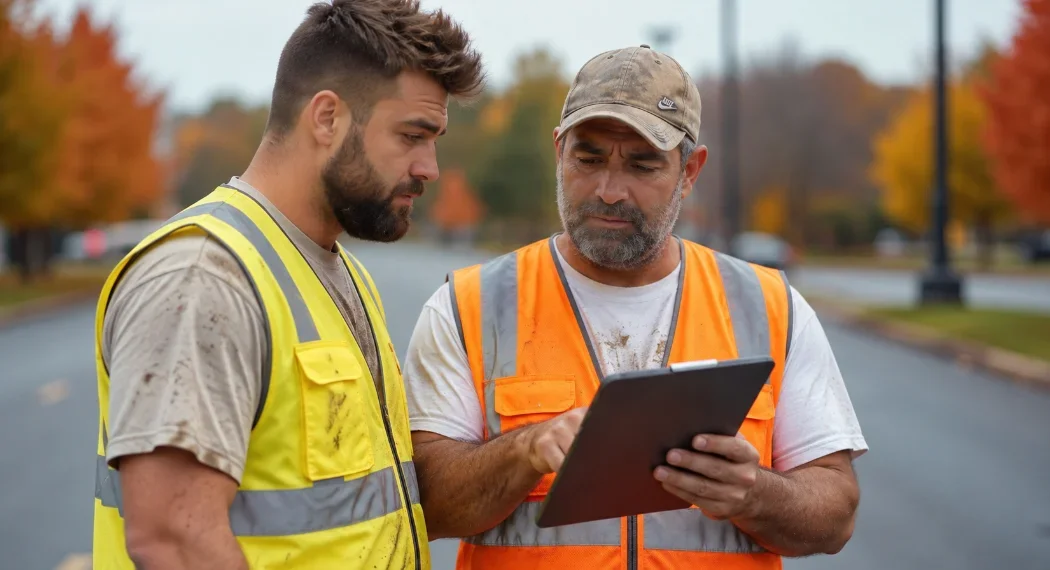
The value of a trusted paving contractor can’t be overstated. Partnering with a company familiar with your properties pays dividends—not just when emergencies arise, but in long-term planning and budgeting. The best contractors will inspect your parking lot and asphalt driveway, help you review prior repairs, assess catch basins and drainage systems, and offer honest advice on what’s urgent versus what can wait.
Ask contractors about their experience with similar properties, turnaround time, and approach to preventative maintenance. Clear communication and customer support are key—your vendor should help you develop a realistic plan, answer your questions thoroughly, and provide references if requested. Involving experts ensures your fall asphalt checklist translates into practical solutions and long-term savings.
People Also Ask
Is asphalt still soft after 2 weeks?
-
Explanation of asphalt curing process and when pavement surface is fully usable
Asphalt begins hardening as it cools after installation, but the full curing process can take weeks. After two weeks, newly paved asphalt is still more flexible than fully cured pavement but is usually firm enough for regular traffic. Heavy vehicles, though, should be minimized if possible, as the surface is still susceptible to impressions and minor scuffing. Total cure—when the pavement surface reaches maximum strength—may take several months, depending on temperature and the materials used.
Can you pave a driveway in November?
-
Weather and temperature considerations for asphalt driveway projects late in fall
Paving an asphalt driveway in November is possible, but only if daytime temperatures remain consistently above freezing—ideally at least 50°F (10°C). Cold weather affects compaction and adhesion, making the finished pavement surface more vulnerable to early failure. Always consult with your paving contractor to ensure conditions are suitable before scheduling late-fall paving projects.
What temperature is too cold to pave asphalt?
-
Minimum temperature guidelines for asphalt repair and paving
For most standard mixes, lay asphalt when air and surface temperatures are at least 50°F (10°C) for optimal results. Anything colder can lead to poor compaction and reduced durability, as the mix cools too quickly. If your fall asphalt checklist includes late-season work, confirm with your contractor that weather conditions will deliver strong, lasting results.
How long should you stay off a newly paved asphalt driveway?
-
Timeline for using new pavement surface after installation
For most projects, keep vehicles off a newly paved asphalt driveway for at least 24 to 72 hours. Foot traffic is often permitted after several hours, but heavy vehicles and sharp turns can mar the soft pavement surface if used too soon. Always confirm with your installer, and remember that cool weather may extend the curing period even more.
Table: Comparison of Asphalt Repair, Sealcoating, and Repaving Solutions
|
Solution |
Best For |
Project Timeline |
Weather Considerations |
Result Longevity |
|---|---|---|---|---|
|
Targeted Asphalt Repair |
Localized cracks |
1–2 days |
Dry, mild weather |
2–5 years |
|
Sealcoating |
Faded, oxidized surface |
1 day + cure time |
50°F+ and dry |
2–4 years |
|
Full Repaving |
Widespread deterioration |
Several days to a week |
Above freezing, dry |
10–20 years |
Key Takeaways from Your Asphalt Checklist for Fall
-
Walk your parking lots and assess all pavement surfaces carefully before winter
-
Address drainage systems, catch basins, and trip hazards early
-
Not every problem needs a large project—targeted asphalt repair can be highly effective
-
Plan with your paving contractor now, even if work is scheduled for spring
FAQs About the Fall Asphalt Checklist
-
What is the purpose of an asphalt checklist for fall maintenance?
It helps property managers systematically inspect parking lots and asphalt driveways, prioritize needed repairs, and plan preventative maintenance before winter weather creates new problems. -
How often should parking lots and driveways be inspected in fall?
At minimum, inspect regularly each fall. If your property sees heavy traffic or you notice visible signs of distress, more frequent checks may help. -
Are there specific signs that signal the need for immediate asphalt repair before winter?
Yes—look for wide, interconnected cracks, recurring potholes, standing water, and uneven or sunken pavement surface. These need quick attention before cold weather to prevent further damage.
Get Expert Help with Your Asphalt Checklist for Fall
-
Contact an experienced paving contractor to assess your property and create a fall maintenance plan tailored to your needs.
Conclusion
By proactively tackling your asphalt checklist for fall, you protect your property, reduce unexpected costs, and position yourself for a smoother transition into spring. Start planning today—your property (and your budget) will thank you.
If you’re ready to take your property’s curb appeal and safety to the next level, consider how comprehensive paving strategies can transform not just maintenance, but the entire experience for tenants and visitors. For a broader perspective on optimizing parking lot design, traffic flow, and first impressions, discover expert insights in this resource on retail parking lot paving and property enhancement. Exploring these advanced approaches can help you plan for long-term value, safety, and a standout property image year-round.