

Picture this: The first hard freeze hits Lehigh Valley, and suddenly those little cracks and puddles you noticed last fall have turned into bigger problems—uneven pavement, new potholes, and hazardous conditions you can’t afford to ignore. Many spring asphalt headaches start in autumn when small issues are left untreated. As Pennsylvania’s freeze–thaw cycles threaten driveways and parking lots, now is the time for every homeowner and property manager to make sure your asphalt is ready for winter.
Is Your Asphalt Ready for Winter: What You’ll Learn in This Guide
- How freeze–thaw cycles affect your asphalt ready for winter in Lehigh Valley, PA
- The critical signs of asphalt problems to address before winter arrives
- Preventative strategies for both homeowners and commercial property managers
- Professional insights from local asphalt paving experts
- When to use hot mix vs. cold mix asphalt for cold weather repairs
This guide, coming from Lenny Wells Paving, a family-run company in Lehigh Valley, breaks down how to spot, prioritize, and resolve the issues that Pennsylvania winters make worse. Whether you manage a busy commercial parking lot or want to protect your home’s driveway, you’ll find locally focused, practical advice you can count on.
Understanding Why Your Asphalt Ready for Winter Matters in Pennsylvania
The Impact of Pennsylvania’s Winter on Quality Asphalt Surfaces
Pennsylvania’s winter is a relentless test for quality asphalt. When the temperature dips and moisture gets into even fine surface cracks, the freeze–thaw cycle begins its work. As water freezes, it expands, prying cracks wider and weakening what started as a solid asphalt surface. Come spring, damage that looked minor in the fall can turn into major repair jobs, like sunken edges and deep potholes, especially after months of exposure to snow, ice, and salt. Both residential driveways and commercial parking lots need to be checked before winter, as cold weather doesn’t discriminate between foot traffic and vehicle traffic—any paved area is at risk.
Routine fall maintenance and pre-winter checks aren’t just proactive; they’re essential for extending the life of any paving project. Neglecting to address initial signs of early damage can lead to costly fixes and potentially unsafe conditions for your family, guests, or business customers. That’s why Lehigh Valley property owners, whether homeowners or business managers, are wise to act before the winter freeze sets in.
Local Freeze-Thaw Asphalt Damage: How the Lehigh Valley Climate Threatens Pavements
The alternating freeze and thaw cycles typical of Lehigh Valley winters are notorious for creating and accelerating damage to both residential and commercial asphalt. Cold nights cause water trapped in cracks and beneath surfaces to freeze and expand. As daytime temperatures rise, that ice melts, allowing water to seep deeper into any vulnerable spots. Over time, this constant shifting can weaken even fresh asphalt and widen new or existing cracks into potholes or “alligator” cracking patterns.
Factors like leaf accumulation, drainage issues, and heavy vehicle traffic can trap moisture and worsen the freeze–thaw effect. For parking lots and driveways, overlooked drainage issues may create standing water that only amplifies the problem. Experienced local paving professionals know these seasonal challenges inside and out, which is why they encourage a careful fall inspection for every Pennsylvania property—because preventative repair now helps you avoid spring surprises and expensive emergency repairs later.
Residential and Commercial Perspectives: Driveways, Parking Lots, and High-Traffic Areas
Every property—residential or commercial—faces unique winter risks, but the underlying challenge is the same: keeping your asphalt surface resilient against Pennsylvania weather. For homeowners, driveways and walkways should be free of cracks, low or sunken areas, and clogged drains. These not only affect curb appeal but also threaten safety and property value. Businesses need to focus on large parking lots, loading docks, entrances, and high-traffic or snowplow-prone areas—sections exposed to repeated cold weather impacts as well as foot and vehicle traffic.
Whether it’s a single-family home or a busy strip mall in Lehigh Valley, every property can benefit from a thoughtful fall maintenance plan. Identifying the subtle warning signs of weather-related damage and addressing them with targeted asphalt repairs puts you ahead of the curve and helps protect your investment, safety, and peace of mind.
For those looking to maximize the effectiveness of their fall maintenance, understanding the timing of repairs is crucial. Discover why autumn is considered the optimal season for addressing asphalt issues in the Lehigh Valley by exploring why fall is the secret window for asphalt repairs before winter and how this timing can help prevent costly spring damage.
Five Warning Signs Your Asphalt is Not Ready for Winter
- Open cracks that allow water intrusion
- Standing water and poor drainage on paved surfaces
- Sinking, uneven areas, or sunken pavement edges
- Visible potholes, “alligator” cracking, or deteriorating sections
- Damage in high-traffic, snowplow, or loading/unloading zones
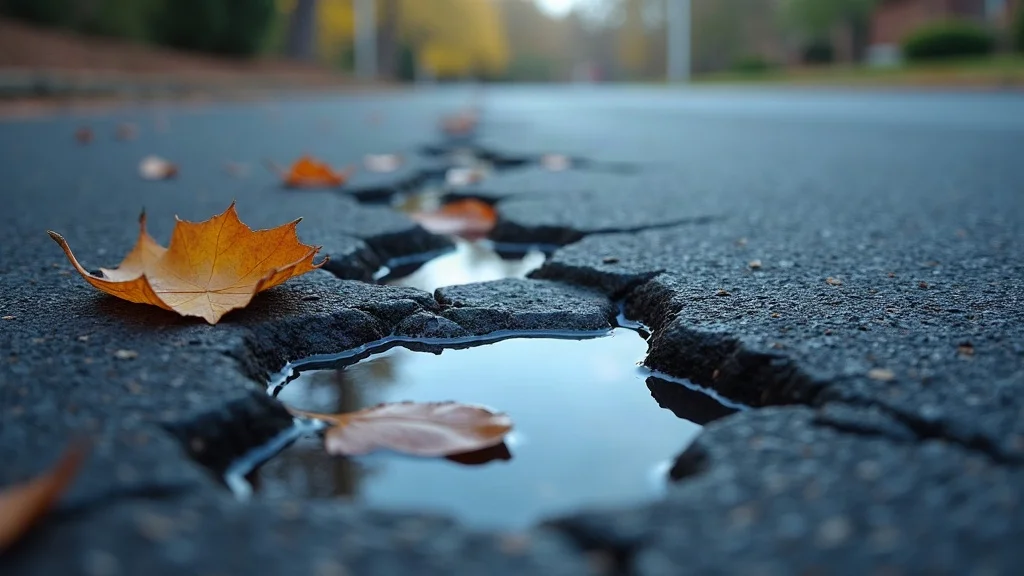
“Winter weather magnifies hidden problems. Each freeze-thaw cycle is an opportunity for untreated cracks to become major headaches by spring.” — Lenny Wells, Owner, Lenny Wells Paving
These warning signs should never be ignored. Open cracks are highways for water, while standing water exposes your base layers to freeze–thaw damage. Sinking sections or sunken pavement indicate problems below the surface and can worsen quickly during Pennsylvania’s wet, icy months. Potholes or “alligator” cracks signal advanced breakdown of your pavement’s structural integrity. Lastly, areas that experience frequent snow removal or heavy traffic take a harder beating in winter, so check them closely—especially in parking lots, business entrances, and loading docks.
The Role of Water in Cold Weather Asphalt Damage
How Water Beneath Pavement Leads to Expanding Cracks and Potholes
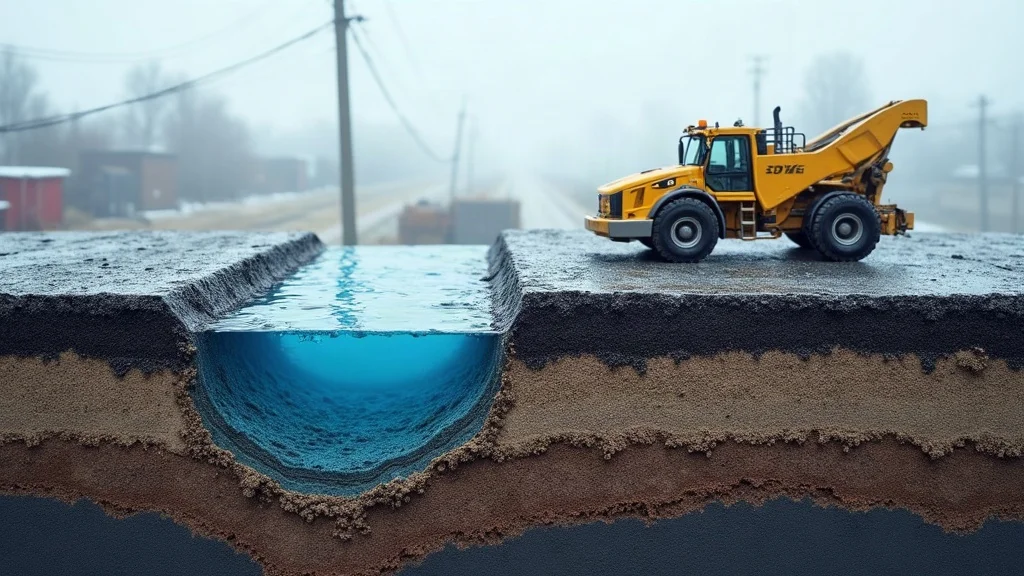
Water is the silent culprit behind most cold weather asphalt damage. When rain or melting snow seeps into cracks or pooled low spots and then freezes, it forces the pavement to expand, breaking apart the top layer and the materials underneath. This repetitive cycle—a hallmark of Pennsylvania winters—turns minor issues into major ones, creating new cracks and enlarging existing ones. Poor drainage only makes things worse by allowing water to linger, increasing the odds of freeze–thaw cycles exacerbating the problem.
A simple puddle left after rain may signal deeper trouble—standing water can permeate small breaks in the asphalt, inviting early damage and making your pavement vulnerable to rapid deterioration. That’s why prompt fall maintenance and well-timed repairs, including both cleaning and sealing, are essential for anyone who wants to avoid a major paving project in spring.
Cold Mix Asphalt vs. Hot Mix: What’s Effective for Winter Repairs?
When you discover damage close to winter, local contractors have two essential repair options: hot mix asphalt and cold mix asphalt. Hot mix is the high-quality, long-term solution—offering a resilient, nearly seamless patch that integrates with existing pavement. However, it requires the right weather conditions, generally above 50°F. In late fall or early winter, this is often only an option on warmer days and smaller, urgent repairs that can be finished before temperatures drop for good.
Cold mix asphalt, on the other hand, is specially formulated for cold weather repairs. While not a permanent fix, cold mix is an effective stopgap: it can be placed in lower temperatures and provides an immediate solution for potholes, cracks, or high-risk hazards that simply can’t wait until spring. Skilled asphalt paving experts in Lehigh Valley will recommend hot mix for durability when conditions allow, but use cold mix for temporary, emergency repairs during the harshest months.
Fully Cure Winter Repairs: Is It Possible in Lehigh Valley’s Climate?
In Pennsylvania’s unpredictable late fall and winter weather, it’s important to understand the difference between patching and full curing. Hot mix asphalt needs time and warmth to fully cure and harden, integrating with the old surface for a lasting repair. In chilly or damp conditions, the curing process is slower—so even after a repair, those sections can remain susceptible to damage from future freezes or heavy vehicle traffic.
Cold mix repairs are invaluable for blocking out water and restoring safety, but they do not fully cure or bond like hot mix does. Instead, they remain somewhat flexible—a vital protection against ongoing freeze–thaw cycles until permanent repair can be made once the weather improves. Your local Lehigh Valley paving partner will help you prioritize which repairs need to be addressed before winter and which projects can wait for warmer weather and a proper cure.
Fall Asphalt Maintenance: Preparing Your Asphalt Ready for Winter
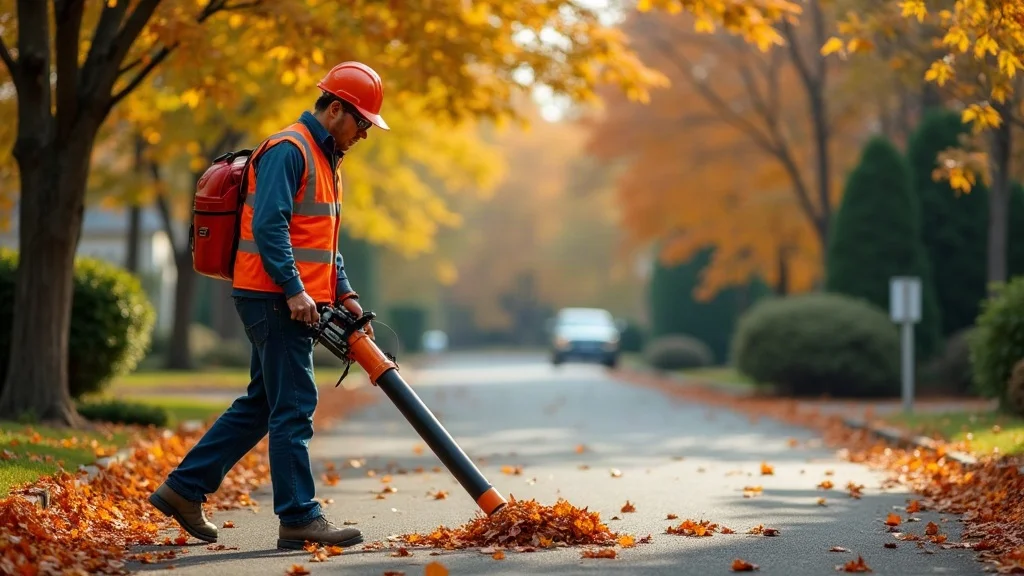
- Clearing Debris and Standing Water: Preventing Ice Hazards
- Crack Sealing and Pothole Repair: Why Timing Matters Before Cold Weather
- Edge Repairs and Drainage Improvements: Protecting Pavement Longevity
- When Professional Evaluation Makes Sense: Local Asphalt Repair Lehigh Valley PA
After the leaves fall, one of the best times for asphalt work is before consistent freezing. Sweep away leaves, debris, and keep drains clear to prevent standing water and early freeze issues. Prompt sealing of cracks and potholes keeps water out so the curing process can unfold before snow flies. Restoring drainage and reinforcing pavement edges ensures winter water won’t eat away at your investment. And when in doubt, professional evaluation from an experienced Lehigh Valley paving company is invaluable for safety, longevity, and cost savings.
Residential vs. Commercial: Tailoring Your Asphalt Ready for Winter
Driveways and Home Pavement: Protecting Your Investment
For homeowners, fall is a great time to protect your property’s curb appeal and long-term value. Clean and inspect the driveway and walkways, looking for cracks, low areas, or places where water tends to collect and freeze. These trouble spots are where winter weather will do the most harm. Contacting a local expert for a quick walk-through can help determine if your issues require repair, simple maintenance, or can safely be monitored until spring. Early action can save big on repair costs and make sure that the first thing you and your guests notice when they arrive is a safe, smooth surface.
Small cracks and isolated low spots can be addressed with targeted repairs, sealing, and edge reinforcement. Don’t wait for them to become a hazard—taking care of your driveway in the fall can keep it looking and functioning better for years to come. The sooner you address early damage, the less likely you’ll need a full repaving project later.
Parking Lots and Business Entrances: Safety, Appearance, and Liability
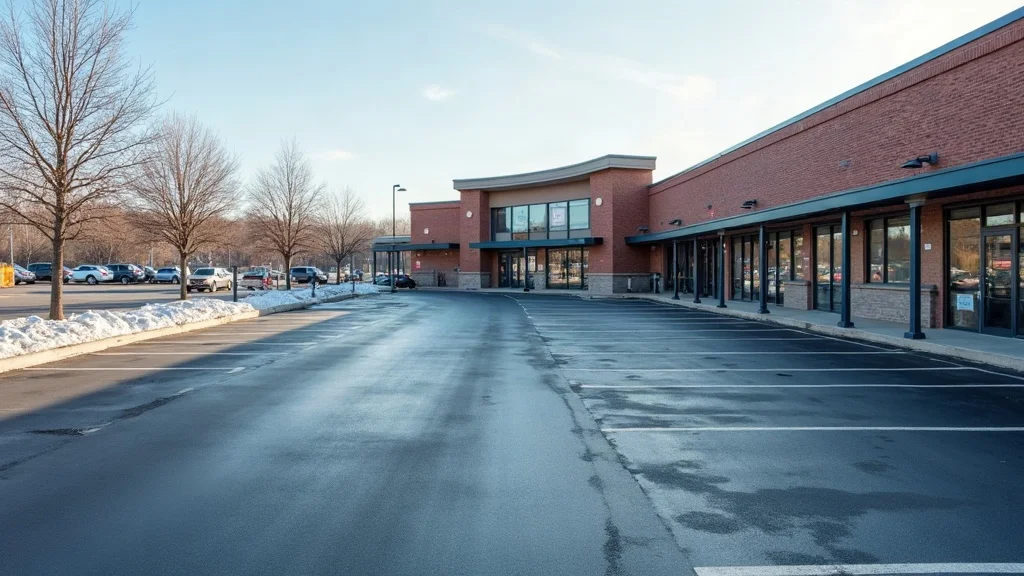
Commercial properties in Lehigh Valley face additional risks. Parking lots, entrances, and loading areas deal with heavier vehicle traffic, snow plowing, and more opportunities for early damage. Businesses must prioritize safety, as slick, uneven, or damaged pavement is a liability—no property owner wants slip-and-fall incidents or vehicle damage complaints when winter sets in.
Fresh asphalt and proactive maintenance pay off here: clear pavement markings, smooth transitions at entrances, and well-managed drainage keep your property looking professional and reduce risk for customers and employees. For larger repairs or extensive damage, it may be wise to plan significant paving projects for the spring, with temporary cold mix repairs getting you safely through winter.
Special Considerations for Snow Removal and High-Traffic Areas
The intersection of snow removal and pavement maintenance is critical, especially for high-traffic zones in both residential and commercial settings. Aggressive plowing can chip away at already weakened edges and newly patched areas. Instruct your snow-removal teams to avoid scraping too close to pavement edges and mark recent repairs clearly. Regularly check for emerging damage after each storm, and keep walkways and pedestrian crossings as hazard-free as your parking lot.
Being proactive in fall leads to fewer problems over winter—a single trouble spot, left untreated, becomes a recurring obstacle for plows, foot traffic, and property safety. Smart maintenance is about managing risk and expense with the help of experienced local paving professionals.
Asphalt Repair Options Before Winter: Hot Mix, Cold Mix, & Planning Ahead
| Type | Best Use | Temperature Range | Durability | When to Use |
|---|---|---|---|---|
| Hot Mix Asphalt | Permanent repairs, patching, resurfacing | Above 50°F | High (Fully Cure) | Fall or warm winter days |
| Cold Mix Asphalt | Temporary, emergency winter repairs | Lower temperatures (down to freezing) | Moderate (Does not fully cure) | Late fall/winter and emergency fill-ins |
When Cold Mix Asphalt Makes Sense for Winter Emergencies
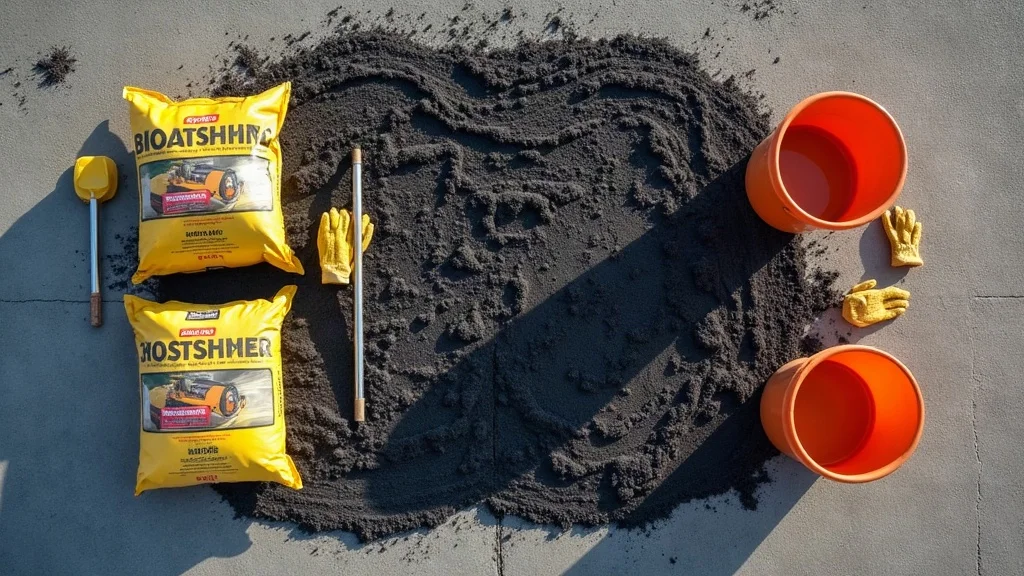
Cold mix asphalt is a smart solution for pavement emergencies that can’t be postponed until spring. If a pothole or major crack becomes a safety hazard right before or during winter, cold mix can be placed even in freezing temperatures to provide immediate relief. While not as strong or long-lasting as hot mix, cold mix’s flexibility gives crucial protection from further water intrusion and additional freeze–thaw damage.
It’s important to understand that these repairs act as placeholders, not permanent solutions—they’re designed to keep your lot functional, safe, and looking presentable until weather and temperatures permit a full hot mix repair and proper curing process.
Why Some Repairs Should Wait Until Warm Weather for Full Cure
Some paving projects—especially large resurfacing, significant crack work, and structural repairs—are best delayed until consistent warmer temperatures return. Hot mix asphalt needs the right conditions to properly bind, cure, and fully harden to withstand vehicle traffic, foot traffic, and another round of freeze–thaw cycles. Rushing these jobs in the cold can lead to poor results, requiring rework and additional costs.
Work with your paving contractor to identify which jobs can be completed before winter, which require temporary cold mix patches, and which should be scheduled for early spring. This approach maximizes your maintenance investment and ensures your property is always ready—no matter the season.
“A good plan means fixing the most urgent problems now, doing preventative maintenance, and scheduling bigger projects for spring.” — Lenny Wells
Expert Tips for Property Owners: How to Get Your Asphalt Ready for Winter
- Schedule a fall inspection by local asphalt paving professionals
- Document and monitor any changes in pavement condition
- Clear leaves, debris, and ensure all drains are functional
- Don’t assume all repairs require full repaving—ask experts to prioritize needs
- Prepare snow-removal teams to avoid scraping pavement edges and recently repaired areas
Following these tips lets you prioritize repairs, stretch your maintenance budget, and head off winter’s most damaging effects on your pavement. In Lehigh Valley, a practiced eye from a local paving expert can make all the difference between a quick patch and a major spring repaving project.
People Also Ask: Winter Asphalt Readiness
At what temperature is it too cold to lay asphalt?
Laying asphalt generally requires surface and air temperatures above 50°F for hot mix asphalt, while cold mix can be installed in lower temperatures but is intended for temporary repairs. Local Lehigh Valley paving contractors can assess if conditions are right for lasting repairs.
How long does it take for asphalt to cure in cold weather?
Asphalt curing is slower in cold weather. Hot mix asphalt may take several days to fully cure, while cold mix stays flexible and is typically used as a stopgap until a full repair can be completed during warmer months.
Does rain help asphalt cure faster?
No. Rain can actually hinder the curing process and make it more difficult for asphalt to bond properly, especially in cold weather. Proper scheduling and protection are essential.
How hot can asphalt get in 90 degree weather?
In full sun, asphalt surfaces can reach temperatures well over 130°F in 90-degree weather, which does not occur in winter but highlights how extreme temperature swings can affect pavement performance year-round.
Frequently Asked Questions: Your Asphalt Ready for Winter
- What’s the difference between cold mix and hot mix asphalt for winter repairs?
- Can sealing cracks in the fall make a big difference for spring upkeep?
- Is it possible to delay major repairs until after winter?
- How does snowplowing impact pavement condition over winter?
Hot mix asphalt is the standard for long-lasting, durable repairs but needs warm temperatures; cold mix is used for winter emergencies or temporary patches. Sealing cracks and taking preventative action in the fall directly reduces big spring repairs. Major repairs can safely wait until after winter if smaller issues are addressed in advance. Snowplowing can damage already weakened pavement—communicate with your service provider to protect recent repairs and pavement edges.
Key Actions to Ensure Your Asphalt Ready for Winter
- Inspect and repair open cracks, fix potholes, and address drainage issues
- Consult local paving experts to prioritize fall repairs
- Implement drainage and edge reinforcement where needed
Preparation is the best defense against Pennsylvania’s winter. With targeted action and trusted local expertise, both homeowners and business managers can keep their asphalt paving durable and safe through the toughest season.
Don’t Wait—Contact Local Experts to Make Sure Your Asphalt is Ready for Winter
Get ahead of winter damage and safeguard your property investment. For a free professional evaluation and estimate on asphalt repair in Lehigh Valley PA, call Lenny Wells Paving at (610) 366-9406 or visit LennysAsphalt.com today.
If you’re ready to take your property’s pavement protection to the next level, consider learning more about the full process of expert driveway resurfacing and paving. Seeing how professionals approach each stage—from assessment to flawless finish—can inspire confidence and help you plan for future upgrades. For a behind-the-scenes look at advanced techniques and real-world results, explore expert driveway resurfacing and paving in action. This deeper dive will equip you with valuable insights for maintaining and enhancing your asphalt investment year-round.