

Imagine the daily scene outside a busy school or hospital: buses arriving, children and parents crossing parking lots, visitors streaming toward entrances, and emergency vehicles needing unimpeded access. For institutional properties—such as schools, churches, hospitals, and college campuses—the stakes are higher than at typical commercial sites. Safety, liability, and constant public use put immense demands on every inch of asphalt for institutional properties. That’s why proper planning and specialized paving is not just maintenance—it’s a critical investment in public safety, compliance, and long-term performance.
What You’ll Learn About Asphalt for Institutional Properties
- Why asphalt for institutional properties demands a unique approach
- How to address key safety and liability concerns in commercial asphalt paving
- Best practices and solutions for parking lots and high-traffic institutional paving projects
- How to plan, execute, and maximize the lifespan of asphalt for your school, hospital, church, or campus
Institutional Properties: Higher Stakes for Asphalt Paving

In institutional environments, the stakes are higher than typical commercial properties: from constant public access to high regulatory standards, every inch of asphalt matters.
- Types of institutional properties: schools, churches, hospitals, colleges
- Safety, liability, and high-traffic usage as core considerations
- Why asphalt for institutional properties is a critical investment
Unlike typical commercial paving, asphalt for institutional properties faces unique pressures—think navigational chaos during school drop-offs, heavy pedestrian traffic at hospitals, or surges in church parking lots on weekends. These settings require not only robust asphalt surfaces but also flawless traffic markings and accessibility compliance to safeguard vulnerable populations. The expectation is that parking lots and access roads will support years of constant use, minimize liability, and meet the highest standards of performance—all essential for mission-driven organizations serving the public every day.
Why Asphalt for Institutional Properties Requires a Specialized Approach
Understanding Unique Needs in Institutional Asphalt Paving Projects
- High foot traffic (children, elderly, patients) and impact on asphalt surface durability
- Liability concerns and safety compliance (ADA requirements, smooth and marked surfaces)
- Logistical challenges—phased paving projects and scheduling flexibility
- Long-term durability expectations for commercial properties
Paving projects for institutional properties require more than standard commercial asphalt expertise. The presence of children, the elderly, or patients means the asphalt surface must be extremely smooth, well-marked, and regularly maintained to prevent trip hazards and falls. ADA requirements impact everything from the grade of ramps and sidewalks to the width of pathways and the clarity of crosswalks, making compliance non-negotiable. Adding to the complexity, institutional properties—unlike most commercial properties—often cannot close for paving projects. Scheduling must work around classes, visiting hours, and recurring events, demanding a flexible and phased approach by the paving contractor. Lastly, institutions typically operate on fixed budget cycles, requiring paving solutions that last and deliver long-term value versus quick fixes.
Considering these demands, asphalt paving for schools, hospitals, and churches becomes an exercise in balancing minimal operational disruption, maximum safety, and cost-effective durability. Experienced commercial asphalt contractors are vital; they understand how traffic volume, property owner goals, material selection, and phased access shape every aspect of the project lifecycle.
When planning for institutional paving, it’s also important to consider how seasonal maintenance and environmental factors can impact surface safety and longevity. For example, understanding the effects of de-icing products on asphalt can help property managers make informed decisions that protect both users and pavement investment. For a detailed look at this topic, explore what you need to know about de-icer safety for asphalt surfaces.
Major Pain Points in Asphalt for Institutional Properties
Addressing Safety and Liability in Commercial Asphalt
- Trip hazards: cracks, potholes, uneven asphalt pavement
- Risk of lawsuits and insurance implications from poorly maintained parking lots
- Line striping, traffic flow, and compliance needs
The number one priority for institutional paving projects is reducing risk. Cracks, potholes, and uneven pavement create trip hazards which can lead to severe injuries and costly lawsuits. For any property owner, unsafe parking lots not only risk the safety of visitors but also expose the institution to significant liability and raise insurance premiums. Compliance isn’t just about ticking regulatory boxes—it’s about ensuring crosswalks, parking spots (including handicapped spaces), and drive lanes are clearly striped and accessible. Skimping on these essentials can threaten safety, create bottlenecks, and harm the property’s reputation in the community.
Proactive asphalt maintenance is a critical part of reducing risk. Regular inspection, timely crack filling, and pavement marking are among best practices to ensure safety and enhance peace of mind for everyone who steps foot on institutional property. Working with a commercial asphalt paving contractor experienced in liability management creates additional assurance that all surfaces are safe, compliant, and ready for daily use.
Dealing with Scheduling and Access in Paving Projects
- Limited downtime and the need for off-hour or phased commercial asphalt paving
- Coordination with calendars, events, and public schedules
For schools, medical centers, and places of worship, closing parking lots or driveways for asphalt work is rarely an option. The paving project must be precisely coordinated—often executed in phases or during evenings, weekends, or school holidays. Scheduling flexibility makes a good paving contractor invaluable, as they can mobilize quickly and adapt to changing facility schedules without sacrificing quality or safety.
Multiple stakeholders—administrators, property managers, maintenance staff, and the public—need clear communication about when and where access will be restricted. The goal? Deliver a high-quality asphalt surface with minimal interruption to operations, preserving essential routines for students, patients, staff, and visitors.
Long-Term Durability and Cost Management
- Proper base and material selection for longer asphalt surface life
- Ongoing asphalt maintenance for preventative and budget-friendly results
Institutional properties must stretch their maintenance dollars—making investing in proper base preparation, quality materials, and long-term planning essential. Durable commercial asphalt mixes extend the lifespan of busy parking lot surfaces, while preventative maintenance, like sealcoating and crack filling, wards off larger, costlier repairs. Well-maintained surfaces not only protect the bottom line but also enhance safety and curb appeal for the entire property.
By focusing on durability and ongoing asphalt maintenance (rather than just reactive repairs), commercial property owners position their institution for lower lifecycle costs, fewer disruptions, and improved asset value. The right paving solution delivers peace of mind and long-term ROI.
Special Considerations for Different Institutional Property Types
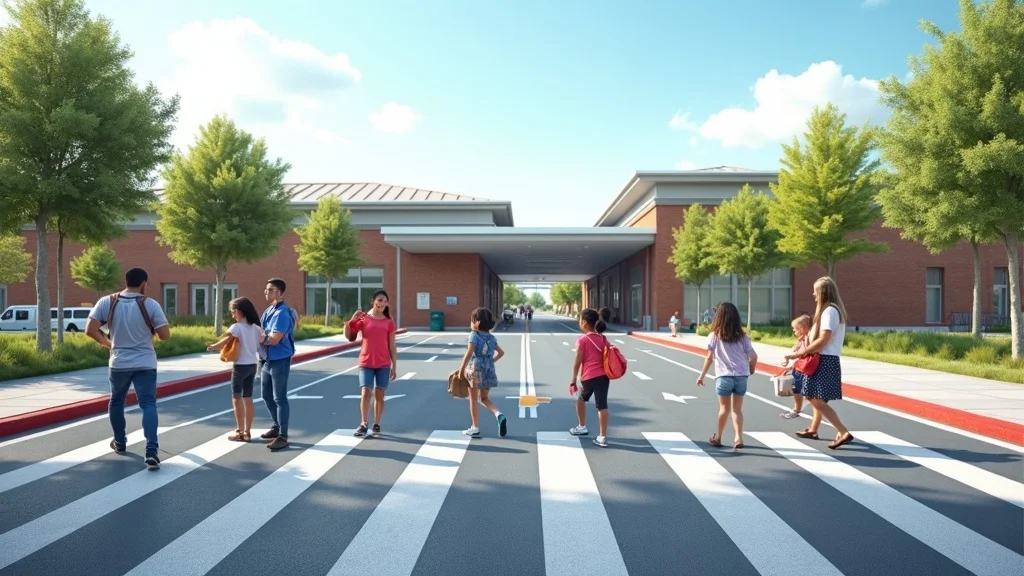
Schools: Prioritizing Safety and Smooth Traffic Flow
- Designing parking lots and drop-off zones with safety in mind
- Optimal paving project scheduling (summer, breaks)
Student safety is paramount in K-12 school paving projects. Asphalt paving must address controlled traffic flow for buses, parents, and staff, prevent congestion in drop-off and pick-up zones, and include visible crosswalks and speed control points. Planning work during summer or holiday breaks helps avoid the risk of construction while school is in session, making for a seamless paving project with minimal disruption.
These same paving solutions also apply to colleges and universities, with careful attention to high-traffic areas like student lots, main entrances, and campus roadways. Proactive planning and clear communication with facilities staff ensure everyone knows where and when access will change—reducing confusion and keeping large properties running smoothly.
Churches: Managing Intermittent but Heavy Traffic
- Large parking areas, budget constraints, and phased commercial paving
Churches experience spikes in parking demand during weekly services, weddings, and special events—but often operate under tight budgets. Choosing a commercial paving contractor skilled in phased work lets property managers renew parking lots one area at a time, without shutting down access or exceeding limited resources. Asphalt paving offers the flexibility needed to accommodate both steady wear and sudden surges in use.
Smart phasing and durable paving materials lead to attractive, safe lots that meet the congregation’s needs for years, enhancing the welcoming feel of the campus while keeping long-term costs in check.
Hospitals & Medical Facilities: 24/7 Access and High Liability
- Smooth asphalt surface for emergency and patient transport
- Urgency and rapid response to asphalt maintenance needs
Smooth, accessible asphalt is non-negotiable for hospitals and urgent care centers. Surfaces must accommodate ambulances, delivery trucks, patient drop-offs, and pedestrian traffic without fail—day or night. Staying ahead of maintenance is vital; unresolved issues, like potholes or damaged parking spaces, can delay emergency response and create trip hazards for physically vulnerable patients.
An experienced asphalt contractor will develop solutions for 24/7 operations, offering off-hour or overnight repairs, rapid response to hazards, and thorough planning to maintain constant access for staff, patients, and visitors.
Colleges & Universities: Scaling Asphalt Solutions
- Multi-area, large-scale commercial asphalt paving and strategic downtime planning
University campuses span vast areas and require paving solutions that scale—think parking decks, faculty lots, campus roadways, and event venues. With large student and staff populations, coordinating a paving project is a massive undertaking. The best outcomes result from strategic downtime scheduling (such as summer break), detailed phasing, and excellent stakeholder communication, balancing the competing needs of continual access, heavy traffic, and extended durability.
Working with a contractor who understands the intricacies of higher education paving projects is essential for minimizing disruption while protecting institutional investment for decades to come.
Top Asphalt Solutions That Work for Institutional Properties
Choosing Between Full-Depth Paving and Resurfacing for Asphalt Pavement
- When to use full-depth commercial asphalt vs. overlays
Not every project requires a complete tear-out and replacement. Full-depth paving is best for lots or roads with failed bases or severe structural damage, while resurfacing (overlaying new asphalt on an existing surface) is cost-effective for properties needing only surface renewal. The right pavement solution depends on a thorough inspection of the asphalt surface, usage patterns, and the underlying base’s condition. Institutional property owners should work with an asphalt contractor to assess whether replacements or overlays offer the best long-term value.
Resurfacing can extend the life of a parking lot or access road by many years, whereas full-depth reconstruction restores long-term strength for aging or heavily damaged asphalt. Professional recommendations ensure the selected approach fits the institution’s timeline, disruption tolerance, and performance needs.
Sealcoating, Crack Filling, and Proper Maintenance
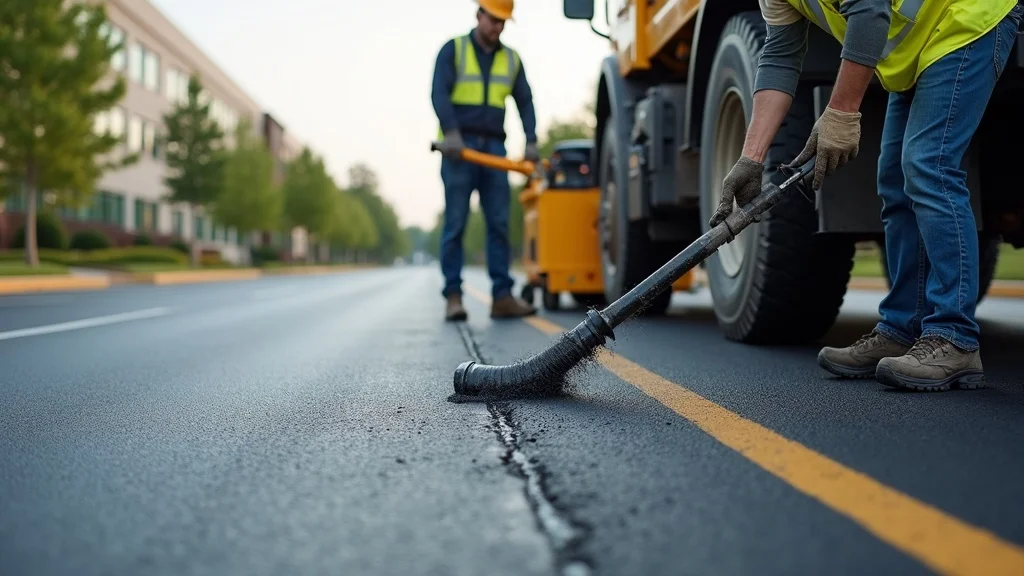
- Importance of preventative asphalt maintenance for commercial properties
Proactive maintenance keeps commercial properties free of costly repairs and liability. Sealcoating asphalt blocks out water, UV, and chemical damage, giving surfaces a like-new appearance and adding valuable years to their lifespan. Crack filling closes gaps before they widen into potholes, preventing safety issues and unsightly damage on busy parking lots. Scheduling these services regularly—especially in high-traffic environments—is a smart paving solution for any institution.
Pairing routine maintenance with regular inspections helps property owners address trouble spots before they grow. A little investment in maintenance today saves significant time, money, and inconvenience down the road.
Drainage and Surface Markings for Parking Lots
- Design elements for compliance and long-term asphalt performance
Effective drainage design is essential for the long-term performance of asphalt pavement. Without it, standing water can erode surfaces, freeze-and-thaw cycles form potholes, and expensive repairs mount quickly. Properly graded lots, well-placed catch basins, and fresh curbs prevent these problems and extend overall surface life.
Clear markings—lanes, arrows, crosswalks, and fire lanes—not only enhance safety but also keep the property compliant with regulations. These elements must be maintained and refreshed regularly so parking lots remain easy to navigate and safe for all users.
Material Selection for Heavy Institutional Use
- Durable commercial asphalt mixes and their advantages
Not all asphalt mixes are created equal. Institutional paving projects require formulations designed for heavy traffic, frequent freeze-thaw cycles, and long service life. Durable commercial asphalt mixes resist rutting, cracking, and deformation, making them ideal for busy lots and access roads. Working with an experienced contractor ensures the right mix for your climate conditions, property type, and expected traffic volume.
Investing in high-performance materials means fewer repairs, safer surfaces, and a better overall experience for everyone who visits or works on the property.
Planning an Asphalt Paving Project With Minimal Disruption
Professional Site Evaluations for Institutional Asphalt Projects
- Comprehensive assessment for tailored paving project planning
The foundation of any successful asphalt paving project is a thorough site assessment. Specialized commercial paving contractors will inspect the current condition, evaluate drainage and grades, and identify specific needs for ADA compliance, safety, and scheduling. This evaluation forms the basis for a tailored plan—ensuring resources are spent efficiently and outcomes are aligned with property owner priorities.
Early involvement of all stakeholders ensures nothing is missed—from intricate traffic flow requirements around a hospital emergency entrance to flexible access for a college’s multi-use parking deck.
Effective Phased and Off-Hour Project Execution

- Coordinating with facilities for minimal asphalt project impact
Flexibility is crucial for institutional projects: schools can’t halt classes, hospitals never close, and churches must be open for worship. Phasing work—completing the asphalt paving project one section at a time—keeps the rest of the property operational. Scheduling off-hours or overnight work further reduces impact, keeping essential services accessible and safe.
Clear communication with facilities, plus robust safety barriers and signage, help keep disruptions (and confusion) to a minimum. The result is a safer, better-organized project that delivers new pavement with limited inconvenience.
Communication With Stakeholders in Commercial Properties
- Clear notification and education for staff, visitors, and property managers
Regular, proactive communication makes the difference between a smooth paving project and a confusing one. Notifying users via signage, emails, or meetings about work hours, detours, and expected outcomes gives property managers peace of mind and reassures staff, students, patients, and visitors. Educational messaging with timelines, safety tips, and benefits of the commercial asphalt paving project helps build goodwill and ensures cooperation throughout the process.
When everyone knows what to expect, commercial properties can stay productive and safe—even when the asphalt is being upgraded.
The Value of an Experienced Commercial Asphalt Contractor
- What to look for in asphalt contractor expertise and support
Selecting the right contractor is as important as choosing the paving material or scheduling the work. Look for an experienced firm with a proven portfolio on institutional properties, strong customer support, and a flexible approach to scheduling. Top commercial paving professionals will anticipate your needs, handle unexpected challenges, and provide a dedicated support number or project manager for real-time updates.
Experienced asphalt contractors understand the mission and constraints of institutional clients, ensuring work is not just high-quality but also fully aligned with your safety, durability, and access needs.
Maximizing the Lifespan of Asphalt for Institutional Properties
Routine Inspections and Maintenance Schedules

- How regular reviews and simple upkeep prevent expensive repairs
Routine inspections are the backbone of long-lasting asphalt for institutional properties. By scheduling regular reviews, property managers catch small issues (like cracks or faded markings) before they escalate into bigger, more expensive repairs. Effective asphalt maintenance—such as timely sealcoating and precise patchwork—not only extends the life of the pavement but also enhances safety and day-to-day curb appeal.
Partnering with a commercial paving contractor who can provide a maintenance checklist and customized schedule ensures nothing is missed. Preventative strategies mean unexpected disruptions are minimized and repair budgets stay under control.
Budgeting and Preventative Strategies for Commercial Properties
- Setting up for long-term success with proactive asphalt pavement management
Institutional property managers know that maintenance and capital repair budgeting is an ongoing challenge. Proactive planning—allocating funds to annual inspections, preventative maintenance, and gradual phased upgrades—safeguards both the quality and longevity of asphalt pavement. This approach transforms a potentially disruptive expense into a strategic investment for commercial property owners.
Preventative budgeting keeps parking lots and access roads compliant, safe, and visually appealing, ensuring the property’s reputation and usefulness for years to come.
Table: Key Maintenance Tasks for Asphalt in Institutional Properties
| Maintenance Task | Frequency | Benefits |
|---|---|---|
| Sealcoating | Every 2–3 years | Protects against water, UV, chemicals; extends surface life |
| Crack Filling | Annually or as needed | Prevents small cracks from growing; avoids potholes |
| Line Striping | Every 1–2 years | Ensures safety compliance; improves traffic flow |
| Surface Patching | As needed | Repairs isolated damage; delays larger repairs |
| Drainage Inspection | Bi-annually | Reduces water damage; prolongs pavement structure |
People Also Ask: Answers About Asphalt for Institutional Properties
How much does 2000 sq ft of asphalt cost?
- Explanation of cost variables for institutional asphalt paving projects (without specific pricing)
The total cost for paving 2,000 square feet of asphalt at an institutional property depends on several factors: the quality of the base material, current surface condition, site accessibility, drainage requirements, and the selected asphalt mix. Schools, hospitals, and churches often require specialized compliance, safety features, and scheduling—which can influence project price. Consulting with a commercial asphalt contractor for a tailored estimate based on your property’s needs is the best approach.
What is the difference between Type 3 and Type 4 asphalt?
- Overview of commercial asphalt mixes and appropriate institutional uses
Both Type 3 and Type 4 asphalt are designed for heavy-duty applications, but they differ in aggregate size and binder content. Type 3 is typically used for driveways and light-commercial lots, providing balance between flexibility and load capacity. Type 4 is formulated for higher-traffic parking lots and roads, offering superior durability and surface strength. Institutional properties with heavy vehicle usage or bus traffic may benefit from Type 4 asphalt for the longest service life.
What is the cost of 1 ton of asphalt?
- Understanding asphalt paving project pricing factors and how they affect institutional properties
The cost of one ton of asphalt includes material expenses, transportation, and delivery fees, as well as local market factors. For institutional properties, additional costs may arise from site preparation, compliance, and specialized work schedules. The total paving solution cost also accounts for labor, equipment mobilization, and any required maintenance or upgrades. Getting an itemized proposal from a trusted commercial paving contractor will clarify all variables specific to your project.
What is type 7 asphalt?
- Definition and relevance for institutional paving projects
Type 7 asphalt is a finer-graded mix primarily used for surface courses, providing a smooth driving or walking surface preferred for parking lots, playgrounds, and low-traffic institutional areas. Its application enhances safety and accessibility and is often chosen for top-layer resurfacing where appearance and comfort are key priorities.
FAQs About Asphalt for Institutional Properties
- How long does commercial asphalt paving last?
Well-maintained asphalt for institutional properties typically lasts 15–25 years. Regular maintenance, proper base construction, and timely sealcoating all extend the lifespan significantly. - When is the best time to schedule paving for a school or facility?
The best time is during low-activity periods—such as summer break or holiday recess for schools, or planned shutdowns for other facilities—to minimize operational impact and ensure fast project completion. - Can paving be done in phases to avoid shutdowns?
Yes, most experienced commercial paving contractors can develop phased paving solutions, keeping parts of the property open while work occurs on other sections. - What are the signs that asphalt needs to be replaced instead of repaired?
Widespread cracks, large potholes, drainage issues, and visible base failure are signs full replacement is needed rather than simple surface repairs. - How soon can the area be used after paving?
Most asphalt surfaces can handle foot traffic within 24 hours and vehicle use within 2–3 days of project completion, but always follow specific guidance from your paving contractor.
Key Takeaways for Asphalt for Institutional Properties
- Tailored planning is essential for safe, compliant institutional paving projects
- Addressing safety and durability from the start ensures long-term value
- Proactive, professional maintenance delivers the highest ROI for commercial properties
Expert Advice for Institutional Property Managers
“A proactive approach to asphalt paving safeguards your institution from liability while protecting your budget over the long term.” – Industry Expert
Ready to Optimize Your Asphalt for Institutional Properties?
- Call 610 366 9406 to request a commercial paving evaluation by experienced asphalt professionals with institutional expertise.
Conclusion: The best results for asphalt for institutional properties come from tailored planning, safety-driven execution, and proactive lifecycle management. Choosing experienced commercial paving professionals ensures safer, longer-lasting surfaces—and delivers confidence to everyone on your campus.
If you’re looking to further enhance your property’s curb appeal and operational efficiency, consider how paving strategies can be tailored for different commercial environments. For example, retail parking lots face their own unique challenges in traffic flow, safety, and first impressions—insights that can inspire new approaches for institutional settings as well. Discover proven methods for optimizing parking lot design and maintenance by exploring retail parking lot paving best practices in the Lehigh Valley. By learning from a variety of commercial paving scenarios, you can unlock advanced solutions that keep your property safe, attractive, and ready for the future.