

Picture this: a guest pulls up to your hotel or multi-use property, notices the fresh, unmarred pavement beneath their wheels, and steps onto smooth, safe walkways that guide them right to your doors. That first impression—before a word is spoken or a suite unlocked—establishes your property’s quality and care. Pavement isn’t just a foundation; it’s a critical element of guest experience, safety, and reputation for hospitality & multi-use properties. In today’s competitive environment, prioritizing hospitality & multi-use properties pavement strategy isn’t just smart—it’s essential.
The state of your pavement is the very first impression any guest will experience—a smooth surface says ‘we care,’ while cracks announce neglect.

Introduction to Hospitality & Multi-Use Properties Pavement Strategy
For owners and property managers, the built environment is a language—one that guests, visitors, and tenants “read” with every step they take. The hospitality & multi-use properties pavement strategy is more than a checklist item; it’s a direct contributor to first and lasting impressions, safety, and business success. From commercial paving in parking lots to pedestrian walkways and service areas, the condition of your pavement underpins your property’s identity. Poorly maintained surfaces signal neglect, introducing risks for both physical safety and customer perception. Meanwhile, innovative solutions — such as phased maintenance and ADA-compliant upgrades — set properties apart and shield against potential liabilities. Every crack, pothole, and faded marking tells a story: owners and property managers must ensure it’s the right one.
Navigating the demands of hospitality design in high-traffic, multi-asset type environments means constant strategic planning. Whether you manage a hotel, retail center, or multi-use complex, understanding how commercial paving impacts the guest experience is essential for asset value, occupancy, and guest satisfaction. That’s why an intentional hospitality & multi-use properties pavement strategy isn’t just about appearance—it’s about operational stability, legal protection, and upholding your brand’s promise.
What You’ll Learn About Hospitality & Multi-Use Properties Pavement Strategy
- How pavement impacts guest satisfaction and online reputation in hospitality & multi-use properties
- Key safety risks and liability issues stemming from poor pavement maintenance
- Essential strategies for managing high-traffic commercial paving and parking lot upkeep
- Scheduling solutions to avoid disrupting guests and residents during repairs
- The pivotal role of well-maintained pavement in long-term asset value
The First Step: How Pavement Impacts Guest Experience at Hotels and Multi-Use Properties
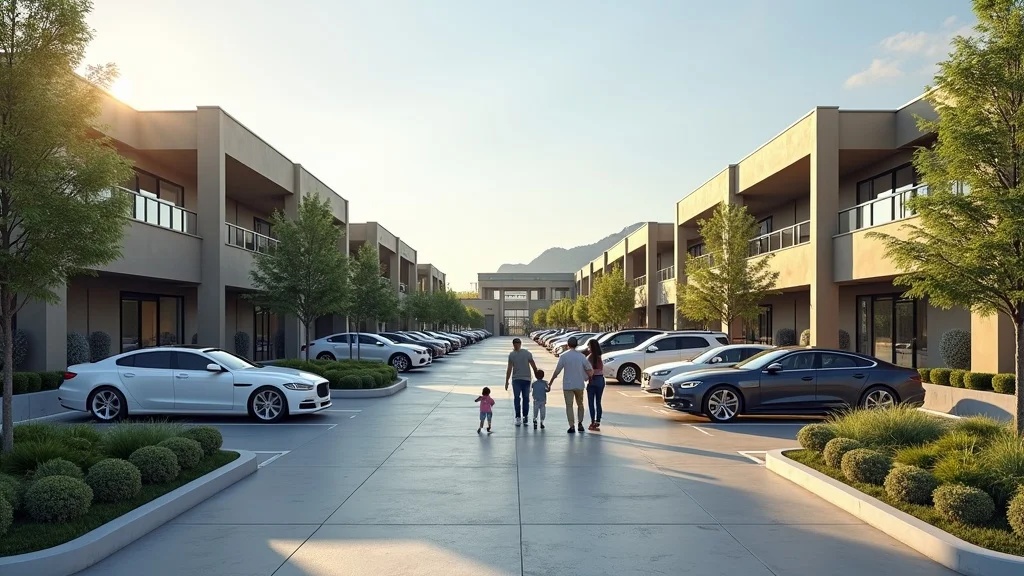
Every guest’s journey begins before the front desk. The arrival experience shapes perceptions instantly: a smooth, clearly marked parking lot and easy navigation elevate comfort and confidence, signaling that their well-being is a priority. Conversely, cracked asphalt, potholes, or faded line striping raise subconscious alarms about safety and attention to detail. For property owners and managers, this means that paving sets the stage for hospitality long before a bellhop greets the guest.
A well-executed hospitality & multi-use properties pavement strategy accounts for intuitive drive lanes, accessible parking areas, and safe, inviting walkways. When guests and residents feel confident navigating the property, they enter the building trusting that the rest of the experience will meet—or exceed—the same standard. Positive arrival and departure moment are vital for guest satisfaction, ultimately influencing reviews and recommendations. Smart design isn’t simply about curb appeal; it’s about cultivating a lasting sense of place.
- Ease of driving and commercial paving navigation
- Clearly marked and accessible parking lot areas
- Safe, inviting walkways leading to entrances
While focusing on guest experience and safety, it’s also important to consider how external factors like landscaping and seasonal debris can impact your pavement’s longevity. For practical tips on minimizing surface damage and maintaining pristine walkways, explore how tree leaves, branches, and yard cleanup affect your asphalt and what you can do about it.
Eliminating Hazards: Managing Safety and Liability Through Hospitality & Multi-Use Properties Pavement Strategy
Trip hazards and accessibility issues are more than eyesores; they represent real risks. Cracks, potholes, and uneven surfaces in parking lots and walkways can leave property owners facing costly legal claims. In the hospitality sector, any sign of neglect can quickly become a social media headline or a negative review, damaging reputation and occupancy rates.
Proactive commercial paving maintenance is a form of risk management. Addressing visible damage—and less obvious surface separation—means creating safer, inclusive environments for everyone, including those requiring ADA-compliant pathways. Hospitality & multi-use properties pavement strategy must consider not only aesthetics, but the regulatory and legal expectations unique to high-traffic environments. Timely repairs reduce exposure, avoid disruptions, and demonstrate an unwavering commitment to guest welfare.
Addressing Risk in Parking Lot and Walkway Maintenance
Maintaining flawless surfaces is fundamental in protecting against liability. Visible wear is an invitation for incidents: an overlooked crack or improperly graded surface can quickly turn into a lawsuit. Property managers and owners must treat pavement strategy as an ongoing safety protocol—not just routine upkeep. Incorporating regular inspections, enforcing ADA compliance, and prioritizing areas prone to wear ensures the built environment remains accessible to all, regardless of physical ability.
- Cracks, potholes, and uneven surfaces increase liability in hospitality & multi-use properties
- Importance of ADA-compliant commercial paving for inclusivity
- Costly legal exposure from neglecting repairs
A single overlooked crack isn’t just a blemish—it’s a potential lawsuit and a test of your property’s commitment to guest welfare.
Heavy Use, Heavier Responsibility: Managing Wear in High-Traffic Environments
Unlike many other asset types, hospitality and multi-use properties are under persistent strain from vehicle and pedestrian flows. Guests check in and out daily, residents come and go, and special events draw intense, short bursts of foot traffic and vehicle activity. Each cycle stresses the asphalt lot, leading to faster deterioration if not managed proactively.
A data-driven hospitality & multi-use properties pavement strategy acknowledges that commercial paving will age differently depending on usage patterns. Routine maintenance — like sealcoating, restriping, and localized repairs — protects your long-term investment and keeps gathering spaces, parking areas, and drive lanes operating flawlessly. Property owners who invest in regular upkeep realize substantial gains in term performance and reduced need for expensive overhauls down the line.
The Realities of Constant Use on Hospitality & Multi-Use Properties Pavement
Properties catering to travelers, residents, and event-goers must plan for continuous wear. Parking lots experience frequent guest vehicle turnover; apartment complexes see daily comings and goings from residents. Event venues face peak loads during holidays and special functions, placing added stress on entry drives and pedestrian walkways.
- Frequent guest and resident vehicle turnover in parking lots
- Increased stress during peak event or holiday periods
- Continuous pedestrian movement on walkways
| Property Type | Wear Source | Common Impacted Zones | Strategic Response |
|---|---|---|---|
| Hotel | Frequent guest turnover, shuttle and service vehicles | Valet drop-off, drive lanes, main passages | Nighttime repairs, frequent inspections |
| Multi-Use Complex | Mixed residential/commercial foot traffic, deliveries, events | Entry plazas, shared parking lots, walkways | Phased repairs, high-visibility signage |
Minimizing Disruption: Innovating Scheduling for Hospitality & Multi-Use Properties Pavement Maintenance
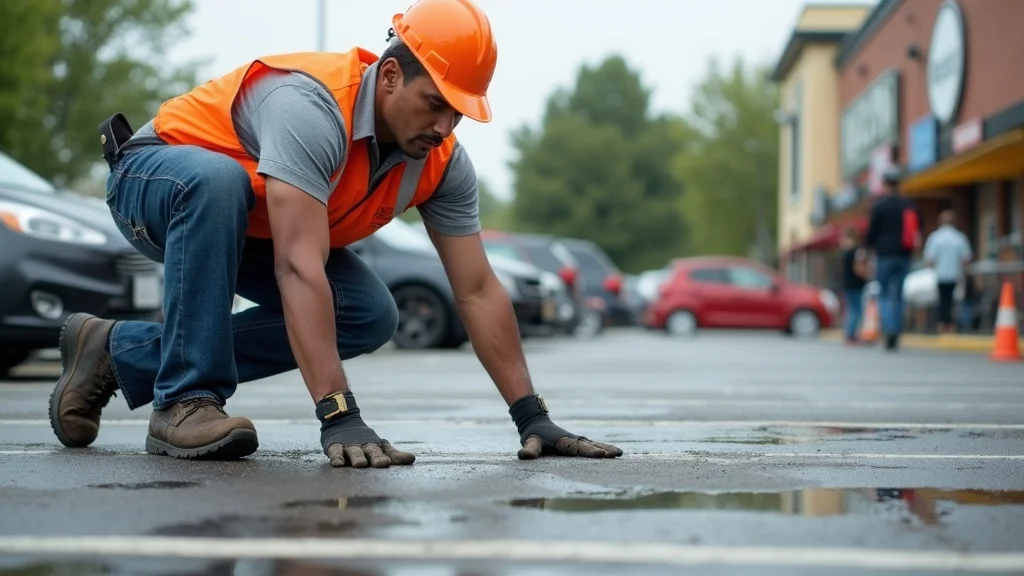
Some of the most effective innovative solutions in commercial paving focus not on materials, but on timing and communication. Hospitality and multi-use properties can’t afford lengthy shutdowns: maximizing accessibility while maintaining pavement means repairs must be flexibly scheduled, minimizing the impact on guests and residents. The collaborative approach of communicating project phases to both staff and visitors creates transparency and reduces frustration.
Sophisticated property managers recognize the importance of scheduling repairs for evenings, overnight, or low-occupancy windows—even weekends, if needed. Strategic project planning, including phasing repairs to keep critical pathways and parking areas open, ensures that business isn’t interrupted. At the heart of a successful hospitality & multi-use properties pavement strategy is a commitment to balance operational needs with essential maintenance.
Flexible Project Planning in Commercial Paving
Flexible planning isn’t just about convenience; it’s about guest and tenant satisfaction. Staging repairs in manageable sections keeps drive lanes open and enables uninterrupted arrival and departure. Transparent communication regarding work schedules and expectations ensures that everyone feels informed and valued. By prioritizing parking and walkway access in high-occupancy moments, properties deliver on their promise of hospitality even during necessary upgrades.
- Staging repairs in phases for continuous access
- Transparent communication with guests and residents
- Prioritizing essential parking lot areas during high-occupancy periods

High-Impact Zones: Which Hospitality & Multi-Use Properties Pavement Areas Demand Priority?
Not all pavement areas share the same visibility or degree of wear. High-impact zones—like main entrances, parking lot drive lanes, and service/loading docks—experience the most traffic and attention. Ensuring that these locations are always in optimal condition protects not only your physical property, but also your brand reputation and guests’ first impressions.
A best-in-class hospitality & multi-use properties pavement strategy involves prioritizing these targeted areas: addressing drop-off zones and walkways where foot traffic is highest, and streamlining loading and service areas for efficient, unobtrusive function. Timely maintenance in these key locations delivers a seamless guest experience that consistently meets the expectations of today’s discerning travelers and tenants.
- Entry drives and valet drop-off zones
- Loading docks for events and service vehicles
- Key pedestrian paths between parking lots and buildings

Enhancing Reputation and Value Through Commercial Paving Excellence
Your property’s pavement is a billboard, quietly but powerfully communicating your commitment to excellence. For hotels, mixed-use developments, and event venues, pristine commercial paving inspires confidence and builds trust from the very first visit. When guests, residents, or event attendees feel welcomed by safe, clearly marked surfaces, you amplify both customer satisfaction and repeat visits. Investing in top-tier hospitality & multi-use properties pavement strategy sets a standard that supports higher occupancy, better reviews, and premium positioning in the marketplace.
Online reputation is increasingly shaped by the details. Sloppy or neglected pavement surfaces become material for negative feedback and lost booking opportunities. Conversely, consistently maintained parking lots and pathways become signature features that create great environments where visitors and clients feel valued. From prospective tenants to event organizers, everyone notices—and acts on—the state of your property’s infrastructure.
The Strategic Link Between Hospitality & Multi-Use Properties Pavement Strategy and Brand Perception
The power of flawless commercial paving extends far beyond aesthetics. It tangibly shapes brand positioning by influencing the first—and last—impressions left with every visitor. Hospitality and multi-use properties with impeccable surfaces drive people back and foster loyalty. Forward-thinking property owners incorporate ongoing maintenance into their strategic planning, using it as a tool to attract and retain high-value tenants, event clients, and guests.
- Attracting and retaining high-value guests, tenants, and event clients
- Boosting online feedback and word-of-mouth recommendations
- Strengthening the property’s competitive positioning
Clean, flawless pavement isn’t just a feature—it’s a message to every guest that your standards are uncompromising.
Watch: See the transformation before and after strategic paving projects at hotels and multi-use complexes—highlighting smooth arrivals, safe walkways, and powerful impact on brand perception.
What are the 5 C’s of hospitality?
The five C’s of hospitality—Caring, Consistency, Communication, Commitment, and Cleanliness—define what it takes to deliver memorable guest experiences. Each aligns closely with a strong hospitality & multi-use properties pavement strategy: Caring ensures guests’ safety; Consistency maintains dependable walkways and lots; Communication is essential during maintenance; Commitment drives routine improvements; and Cleanliness leaves a lasting impression, starting with every surface a guest touches or traverses.
What are the objectives of the hospitality industry?
The hospitality industry aims to create environments where guests feel welcome, comfortable, and safe. Its objectives include maximizing guest satisfaction, ensuring safety, building lasting relationships, and sustaining a positive reputation. A well-planned commercial paving program supports these goals by making the first point of contact—the walk, drive, or parking lot—reflective of exceptional service and care.
What are the products and services in the hospitality industry?
Products and services in hospitality span accommodations (hotels, resorts, multi-use complexes), dining, recreation, conferencing, and event hosting. Seamless arrival, secure parking lots, and inviting walkways are essential parts of the guest journey. High-quality hospitality & multi-use properties pavement strategy is a service in itself—enabling every other aspect of hospitality to function smoothly and safely.
What is the product service mix in the hospitality industry?
The product service mix combines tangible products (rooms, venues, facilities) with intangible services (attention, safety, comfort). Paved drive lanes, parking areas, and paths are foundational to the product, while regular maintenance and clear communication represent service. This integrated approach helps property owners fulfill hospitality’s highest promise: a consistently safe, accessible, and welcoming environment for all.
FAQs on Hospitality & Multi-Use Properties Pavement Strategy
- How often should commercial paving be inspected?
At minimum, parking lots and pedestrian walkways should be inspected semiannually, with extra checks after extreme weather or high-traffic events. Regular inspections allow property managers to spot wear early and plan repairs before issues escalate, supporting better term performance and guest safety. - What are best practices for parking lot design in multi-use properties?
Best practices include clear striping, logical traffic flow, abundant lighting, ADA-compliant spaces, and designated areas for guests, residents, and service vehicles. Smart design also takes future expansion and flexible usage into account, enabling optimal commercial paving performance for years to come. - How can innovative solutions reduce maintenance costs?
Innovative solutions—such as phased repairs, sealcoating, year-round scheduling, and rapid-cure materials—allow properties to maintain safe, functional surfaces with less disruption and fewer full replacements. These measures help control budgets and extend the life of the pavement asset. - Why is phased work important for hospitality properties?
Phased work keeps critical pathways, parking, and entry drives open during repairs. By tackling the project in sections and communicating timing to guests and residents, hospitality properties maintain service quality while still investing in their infrastructure.
Key Takeaways for Hospitality & Multi-Use Properties Pavement Strategy
- Pavement conditions shape first and lasting impressions
- Maintenance is preventative risk management in hospitality & multi-use properties
- Customized commercial paving approaches are essential for complex, high-traffic environments
Conclusion: The Value of Investing in Hospitality & Multi-Use Properties Pavement Strategy
Consistent, visible investment in your hospitality & multi-use properties pavement strategy safeguards your guests, reputation, and long-term asset value—driving every arrival and departure to leave the right impression.
If you’re looking to further elevate your property’s resilience and guest satisfaction, consider how environmental factors and seasonal maintenance can play a strategic role in your overall pavement plan. For a broader perspective on protecting your surfaces year-round and ensuring your investment stands the test of time, discover the essentials of asphalt de-icer safety and what you must know for long-term pavement care. Taking a proactive, holistic approach will help you stay ahead of challenges and deliver a consistently exceptional experience for every guest and resident.
Ready to Improve Your Hospitality & Multi-Use Properties Pavement Strategy?
Take the next step towards safer, more inviting surfaces and a superior guest experience. Call 610 366 9406 to discuss customized commercial paving solutions for your property today.